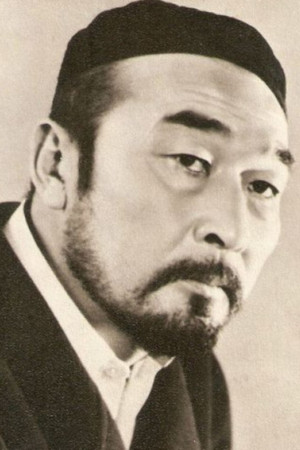
Nurmukhan Zhanturin Movies, TV Shows, and Filmography
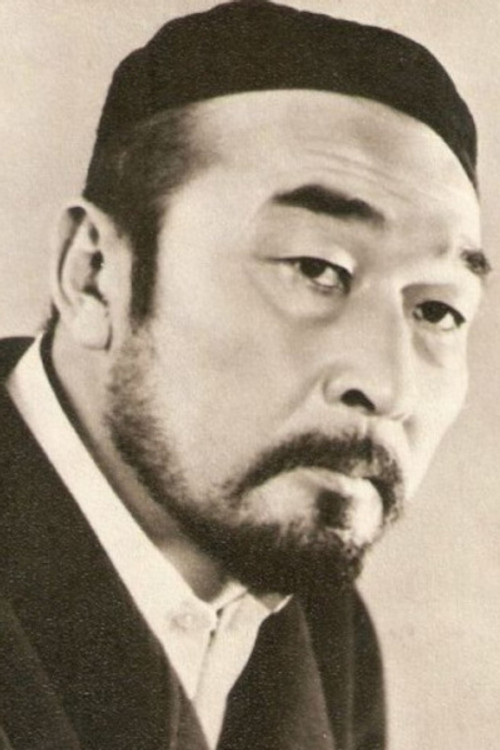
Nurmukhan Zhanturin
Acting
Biography
Nurmukhan Zhanturin was born in the settlement of Kondaurovo, Guriev Region (now known as Atyrau Region, Kazakhstan) on April 22, 1928. At the age of 14 he started working as an operator's assistant in a Guriev oil prospecting group, and later attended motion picture operator courses in Alma-Ata. He graduated from Alma-Ata Movie School in 1950 and the Acting Dept. of the Ostrovsky Institute of Performing Arts (Tashkent) in 1952[4] and soon joined Auezov Theater. His first screen roles go back to 1948, while 1967 saw Zhanturin officially employed at Kazakhfilm Studios. He returned to the theater in 1988 and continued to work there until his death in 1990. Zhanturin's best-known roles include Chokan Valikhanov (eponymous play by Sabit Mukanov), Kodar (Kozy Korpesh — Bayan Sulu by Gabit Musirepov), Kebek and Syrym (Enlik-Kebek and Karakoz by Mukhtar Auezov), Arman (One Tree Does Not Make a Forest by Abdilda Tazhibaev), Kaben (Unquenchable Fire by Zeinulla Kabdulov), Sanzhan (Unfunny Comedy by Akim Tarazi), Doctor (The Forgotten Man by Nâzım Hikmet), Sintaro (A Woman's Life by Kaoru Morimoto), Molière (The Cabal of Hypocrites by Mikhail Bulgakov), as well as Iago and Macbeth in Shakespeare's Othello and Macbeth (the latter in a production at the Seifullin Theater in Karaganda). Mark Donskoy spotted Zhanturin's talent when scouting the Central Asia for actors for his movie Alitet Leaves for the Hills (after a 1950 novel by Syomushkin). Nurmukhan played the role of a young man named Tumatuge. This first screen role paved his way to popularity. Nurmukhan's other well-known roles included Kerim (Daughter of the Steppes, 1954), Dzhoomart (Saltanat, 1955), Alzhanov (On the Wild Coast of the Irtysh, 1959), Abakir (Heat, 1962), Tagay (Dzhura, 1964), Tanabay (The Trotter's Gait, 1968), Ablaykhanov (The End of the Ataman, 1970), Kurmangazy (Kurmangazy, 1974). He first appeared as Shoqan Walikhanov in the 1957 movie His Time Will Come (directed by Mazhit Begalin). Zhanturin's eponymous role in Sultan Baybars brought him a prize for Special Achievements in Acting (shared with Nonna Mordyukova) at Sozvezdie-90 USSR national festival. He performed a total of more than 50 roles on screen
Filmography Movies
Acting
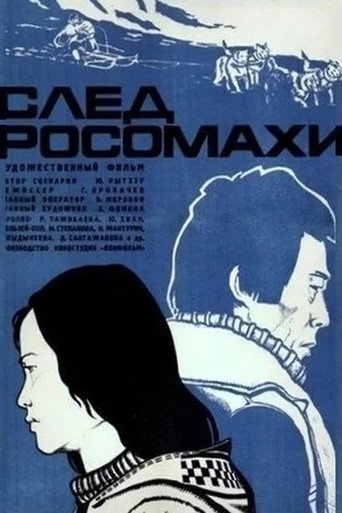
The Wolverine's Trail
A modern interpretation of the ancient Chukchi legend of love. The young hunter fell in love with the daughter of the sun, but with his last rays, the beauty left the earth, afraid of the cold. And the hunter decided to get wolverine fur for her, hunting for which is a big risk.
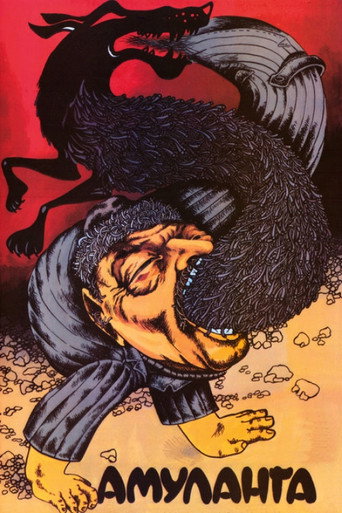
Amulanga
In the vast expanses of Kalmyk, love is born between the young factory worker Naran, who came for sakman (cattle time), and the shepherd’s granddaughter Amulanga.
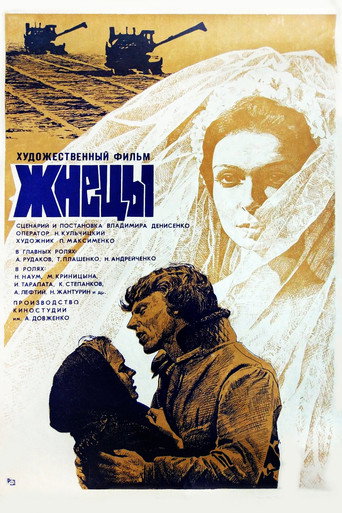
Reapers
Combine harvester operator Vasyl Bylan decides to leave for the Volga region for the harvest right after his wedding. There he receives a commemorative gift for his labor. He wants to return to his wife, but the guys call him to the Altai - snow has fallen there and the grain is perishing. He helps harvest the grain and it becomes clear that without him everyone would drag it off to their personal barns...
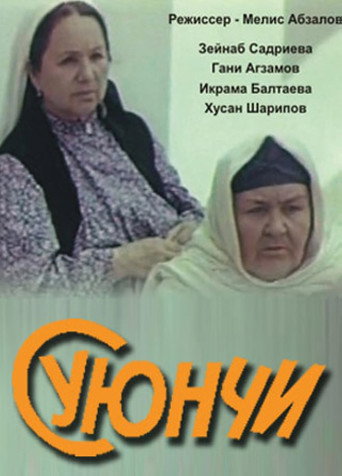
Grandma the General
The film tells the story of Anzirat, an elderly woman who lives in a small village in Soviet Uzbekistan with her son, daughter-in-law, and their ten children, all boys. Because of her strictness the villagers call Anzirat "Grandma-General". Back in the 1930s, Anzirat headed the main farm of the village and went through many hardships. Even when she gets old, Anzirat does not want to rest and cannot put up with the laziness, greed, and negligence of some of the villagers. She tries to put things in order for her family. Her son, however, instead of helping his pregnant wife spends all his spare time building a family football team. Only after Anzirat's death do the residents of the village realize how empty their village is without her. They feel that Anzirat was the conscience of their village.
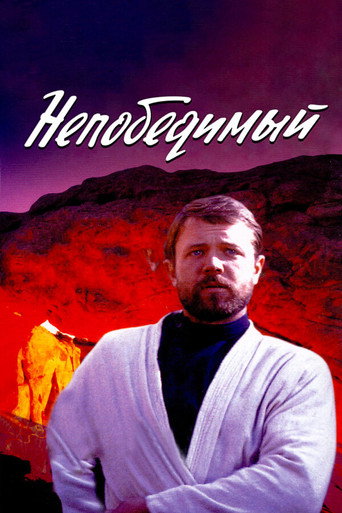
The Invincible
Film about a Russian Master of Martial Arts, Andrei Khromov (Rostotsky). Based on a true story. A young man travels all over the Eastern republics of the Soviet Union. He is studying various systems of self-defense in order to develop his own system that would make him unbeatable.
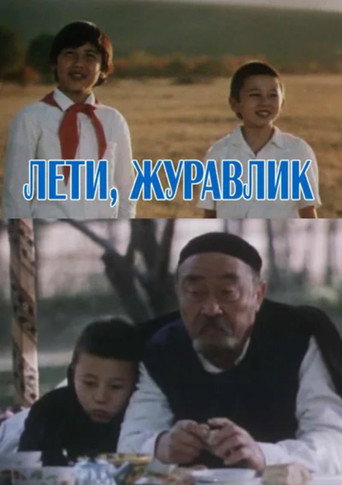
Fly, Crane
An old gamekeeper introduces his nine-year-old grandson Tuyak to the surrounding nature. The boy collects books dedicated to the life of animals. And once, together with their grandfather, they were leaving a crane straggling from a flock.
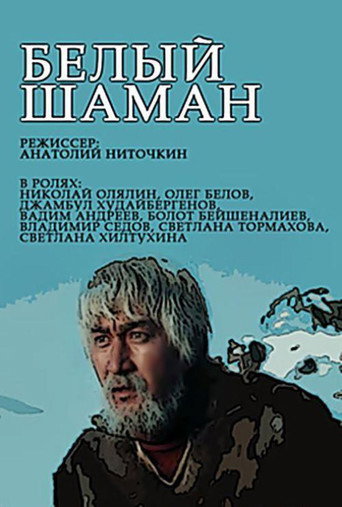
White Shaman
The action takes place in the 1930s and 1940s in Chukotka. With the establishment of Soviet power, changes are coming to the camp. The main character — hunter Poygin — does not realize the significance of what is happening immediately. There is a series of events: a collision with a Black shaman who tried to take away a beloved woman from a hunter, a meeting with the head of the cultural base Medvedev, etc. Poygin observes the events that ultimately determine his life position. He becomes chairman of the first collective farm in Chukotka.
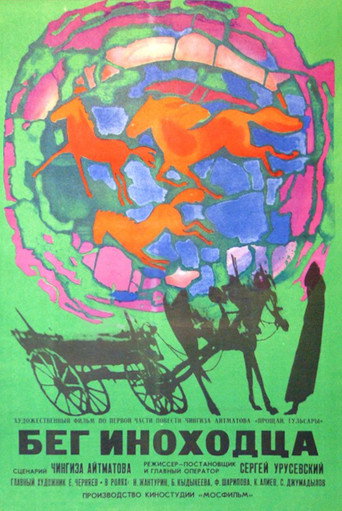
Goodbye, Gyulsary!
Based on Chingiz Aitmatov’s novel "Farewell, Gyulsary!" The story of Tanabai the blacksmith, father of three children, who upon his return from war became a herdsman, and his tragic love for the soldier’s widow Byubyudzhan. The lyrical poem has an additional storyline concerning the horse Gyulsary and his master Tanabai.
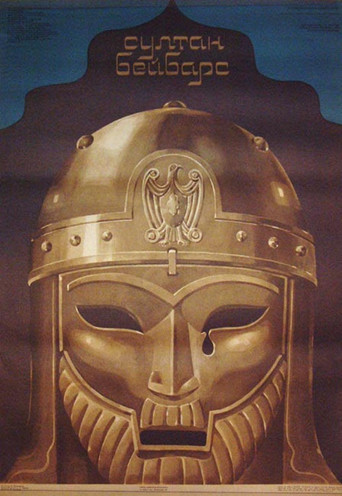
Sultan Beybars
The second part of a historical film dilogy based on the story “Emshan” by Maurice Simashko. XIII century. Equal to God, Sultan Beybars — the ruler of Egypt, who has the largest fleet in the Mediterranean, crushed the Crusader troops and countless hordes of Genghis Khan's descendant – recalls the life path he passed before ascending to the throne of the ruler.
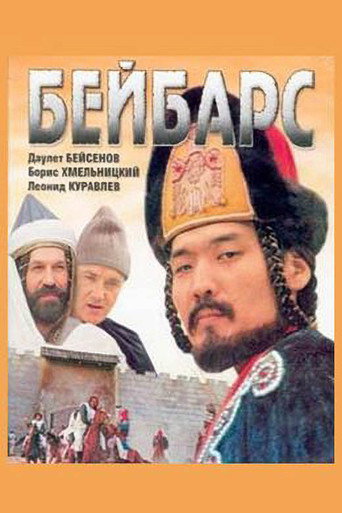
Beybars
The first part of a historical film dilogy based on the story “Emshan” by Maurice Simashko. XIII century. Equal to God, Sultan Beybars — the ruler of Egypt, who has the largest fleet in the Mediterranean, crushed the Crusader troops and countless hordes of Genghis Khan’s descendant – recalls the life path he passed before ascending to the throne of the ruler.
Production
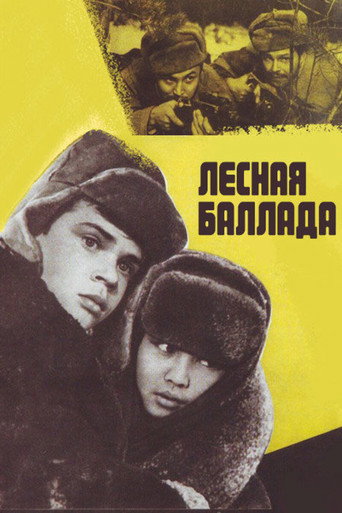
Forest Ballad
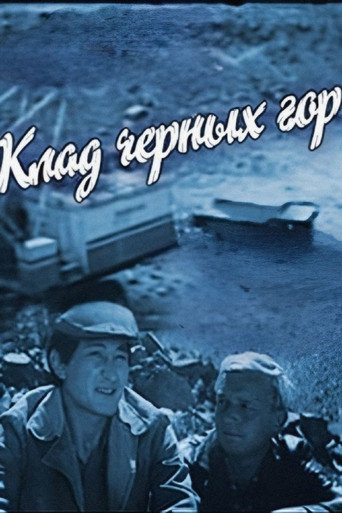
The Treasure of the Black Mountains
The film takes place at the recently opened Nartas mine, part of a large mining complex. Due to many reasons, the mine is undersupplied in ore. Nariman Danaev, the young head of the mine, offers a way out of this situation. He meets with both support and resistance. Thus, behind the production problems there is a struggle of characters, views, and different attitudes. The conflict is moving into the moral sphere. A difficult situation develops in the personal life of the main character.
Gallery