Camera
No biography available.
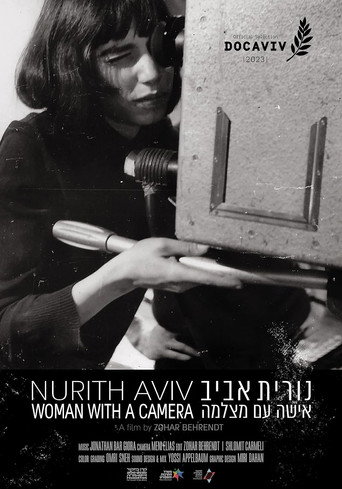
For the first time, filmmaker Nurith Aviv sits down in front of the camera. As the defenders fall out, her unique life story as the first woman cinematographer in Europe turns out to be the key to her own films.
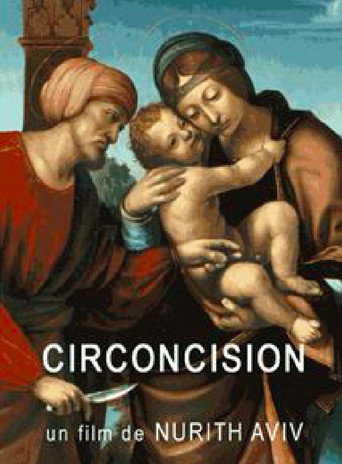
Circumcision is not a trivial act. For those parents, mostly "mixed" couples from different religious origins, a choice has to be made before the birth of their children, whether religion has a role in their lives or not.
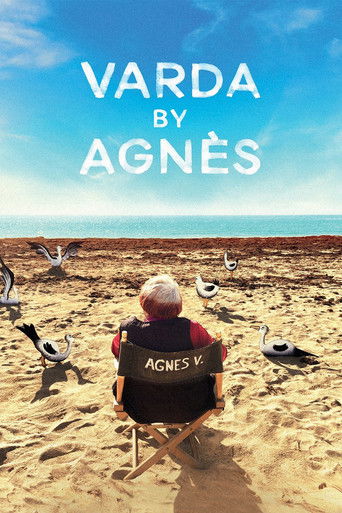
An unpredictable documentary from a fascinating storyteller, Agnès Varda’s last film sheds light on her experience as a director, bringing a personal insight to what she calls "cine-writing," traveling from Rue Daguerre in Paris to Los Angeles and Beijing.
The film is about portraying while being portrayed. Painter Liliane Klapisch sketches a portrait of Aviv in a sketchbook while Aviv films. Klapisch occasionally interrupts her work to look for a piece of chalk or a pencil – she checks, considers, and continues. Aviv's camera view alternates between the hands as they draw and the painter's scrutinizing gaze. The ways in which the two portraitists approach the world become visible during the gradual creation of the portraits, both drawn and filmed. An artistic encounter between two women, focused and attentive.
This film is based on the true story of Jean Bella, who served as an officer in the Belgian Marine while being convinced, from an early age, that he was in fact a woman. Director Jean-Pol Ferbus follows Jean Bella and makes him talk about his life, psychological and spiritual experiences and reveals the true poet who remained undisclosed for most of this person's life. The film ultimately isn't about transexuality but about loneliness one can experience when he/she feels very deeply that she/he belongs to the two sexes and this in a deep, almost religious, fashion, to such an extent that sexuality itself is being erased from one's life. Jean-Gina Bella is a woman in the body of a man who bravely lived a life on the sea, eventually fighting the elements, talking to God when lost on the immense solitary ocean. This testimony is a very touching and poetic one.
A devoted yet stressed out housewife takes a holiday to relax, and falls in love with another woman: a guitar-playing hippie who lives in a commune.
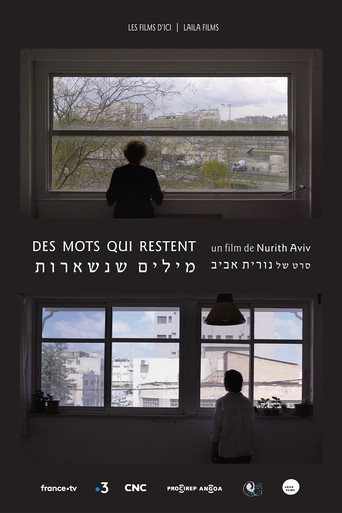
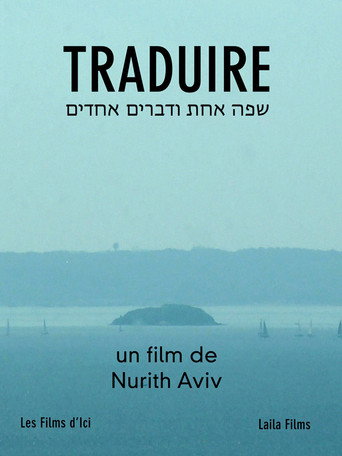
Six people recall the languages that cradled their childhoods: Judeo-Spanish or Judeo Arabic, or Judeo-Persian. Today, the languages themselves are dying but they left traces that still work on those who heard them as children.
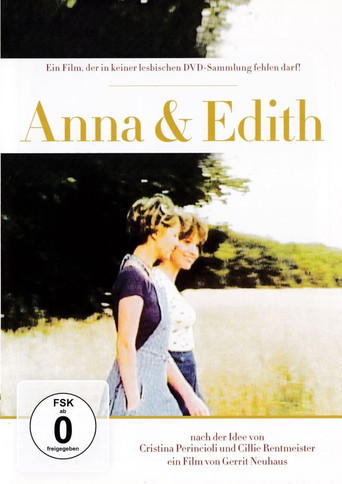
Anna and Edith are colleagues at an insurance company. Their male chef uses the women's business success to his own advances. Anna's husband would prefer her to be at home. Anna and Edith become a couple, but it doesn't end with a romantic rendez-vous. Together, and with the help of their female colleagues, they want to improve their work conditions.
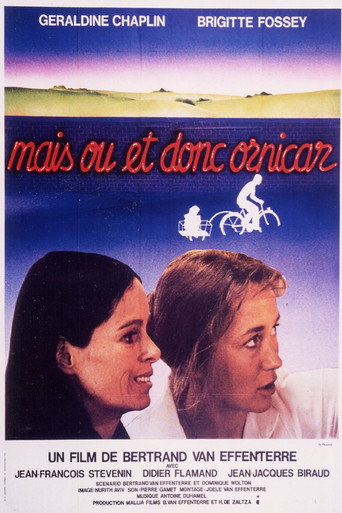
They are in their thirties. They have now children, an appartment, a work, cars... and still have loves, dreams and passions. They will meet each other, leave each other, under the eye of their kids.
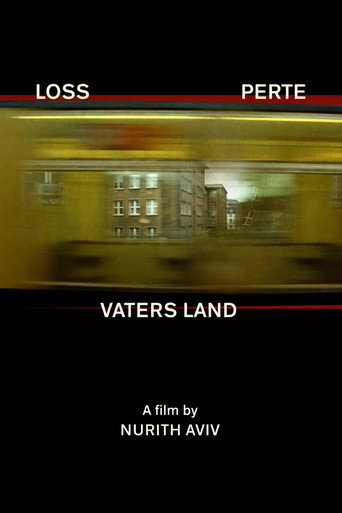
Starting from Sigmund Freud's definition of mourning and from Hannah Arendt's observation of the behavior of German intellectuals in 1933, Nurith Aviv lets her friends in Germany speak about what, according to them, has been irrevocably lost. In the background, a travelling shot of thirty minutes, a trip with the S-Bahn through Berlin, hometown of her Jewish ancestors.
Atalia is a 40-year-old widow who lost her husband in the Six-Day War and lives on a kibbutz with her adolescent daughter. Lonely and feeling outcast, she enters into a forbidden affair with her daughter's classmate, Matti, an idealistic 19-year-old rejected by the army.
Foreign labour, a phenomenon typical of the 1990s, is examined here in one village in the Jordan valley. Until the intifada, Palestinians from a nearby village worked the fields, but after one of the community’s members was murdered, the farmers decided to employ Thais. This documentary addresses the question of cheap labour, set against the Israeli–Palestinian conflict.