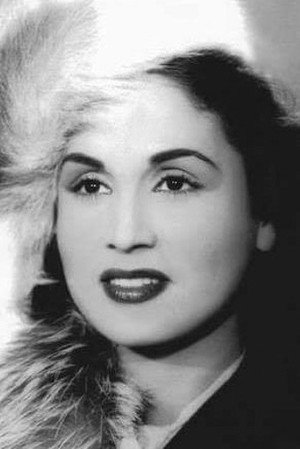
Nour El Hoda Movies, TV Shows, and Filmography
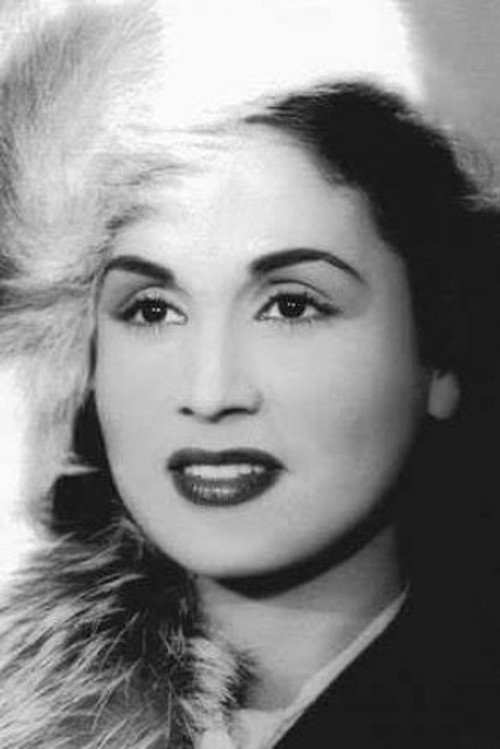
Nour El Hoda
Acting
Biography
No biography available.
Filmography Movies
Acting
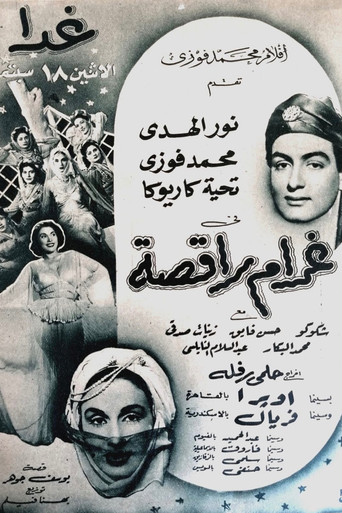
A Dancer's Infatuation
A budding singer falls in love with his colleague in the dance troupe and they agree to get married. A famous dancer joins the troupe and falls in love with the singer, but he rejects her. The dancer decides to take revenge and create a quarrel between him and his lover.
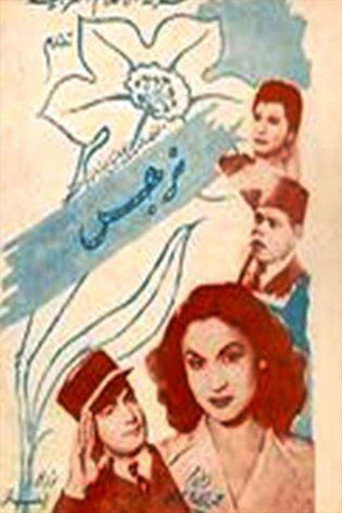
Narges
When Narges, the only child of wealthy parents, goes missing, a middle-class man takes her in and raises her. As she falls in love with a poor guy, her parents find her and bring her back. A wealthy guy proposes to her but she remains faithful to her old sweetheart.

I'm No Angel
Lawyer Raouf meets Yasriya Hanem, the daughter of Hassan Bey Abu El-Dahab, and falls in love with her and tries to reach her. Raouf bets with his friend that Raouf will marry Yasriya. A quarrel occurs that ends with the friend's lover shooting Raouf. The sound of the bullets restores his cousin's sight and she nurses him. Raouf marries her after he is certain that his love for her is stronger than his love for Yasriya.
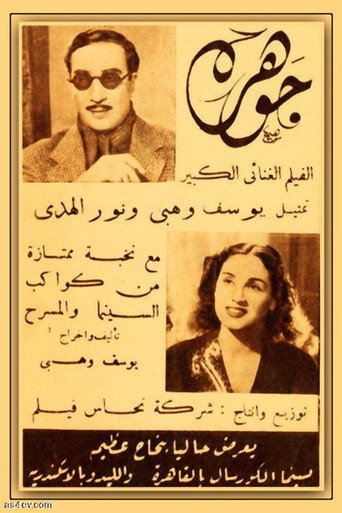
Jawhara
Samir became one of the most famous composers and authors of music, trying to present his best melodies to the band he loved and worked in with the actress Attiyat, with whom he was associated. However, her betrayal of him prompted him to abandon his work and life and decide to commit suicide. When he met one of the girls whose sweet voice he admired, but he thought she was in a relationship. With one of the young men.
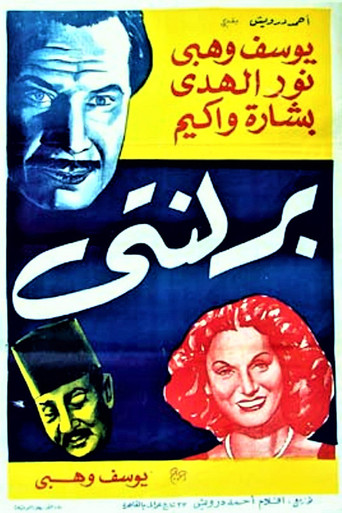
Berlanty
After the death of the girl's father, Berlanti, her means of life become more limited and her mother falls ill, so Berlanti is forced to work as a singer so that she can be treated. The lawyer Sami marries her, and as events unfold, Berlanti sees that she is standing in the way of Sami's success. She sacrifices her reputation so that he can leave her. He believes this and expels her. He marries the girl, Samiha, and as events develop, Berlanti is accused of murder.
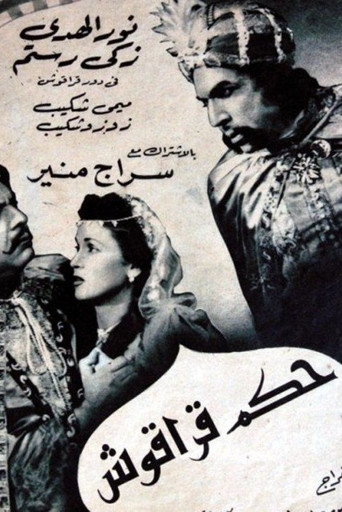
Hakam Qaraqush
The heart of Governor Qaraqosh (Zaki Rustom) is tied to the heart of the girl (Nour Al-Huda), a girl from the common people, so he decided to appoint her father (Siraj Munir) as prime minister so that he could marry her. (Siraj Munir) takes advantage of his ministerial position and the people’s love for him to redress grievances. And tyranny against people, and at the same time (Nour Al-Huda) relates to the love of one of the young men who decides to revolution.
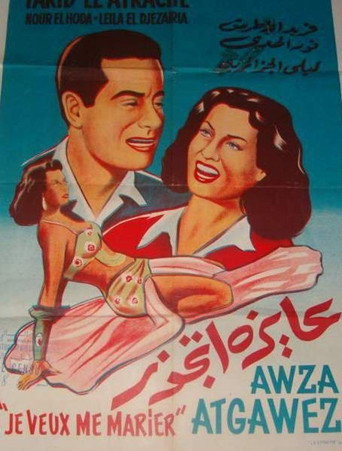
I Want To Get Married
The events of the film revolve around the singer (Nour) and her great confusion between (Samir), who loves her with all his heart but does not propose marriage to her, and his rich uncle, who considers her his lover but does not decide to marry her either, but Nour’s life and her Upper Egypt customs and traditions force her to marry and not enter into marriage. In only romantic relationships without marriage, Nour meets a (lonely) singer and falls in love with him.
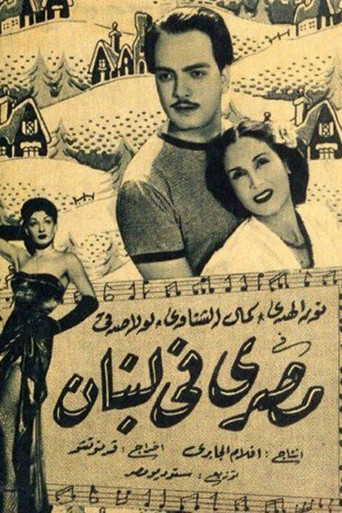
An Egyptian In Lebanon
An Egyptian poet has an affair with a dancer in a cabaret, but she does not pay attention to him or pay him any attention. However, he insists on chasing her. The young man suffers a psychological shock. The treating doctor advises him to travel to Lebanon until he regains his health. He stays in a hotel here, in the hotel. He meets a beautiful girl whom he loves, and it turns out that she is the hotel owner's daughter.
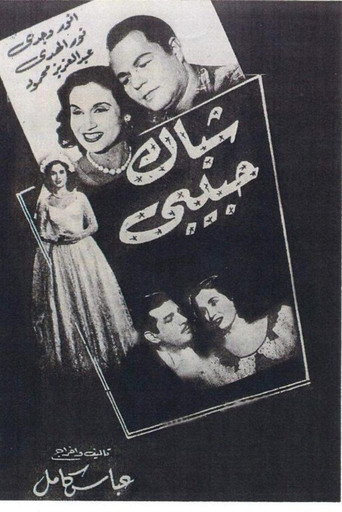
Shebak Habibi
A nurse lives in a popular neighborhood and loves her neighbor, the carpenter, and her mother stands guard against this marriage. During her work, she meets a girl who looks like her. She is the daughter of a wealthy man, but she has fallen into sin and is preparing for her wedding. They agree to exchange places for a while so that they live each other’s lives, which leads to many... Of troubles and ironies that were not taken into account.
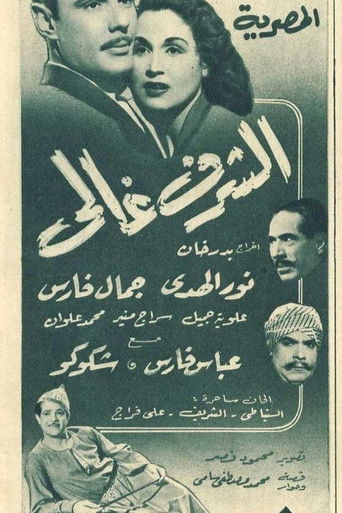
Al-Sharaff Ghali
A rich man tries to assault his maid, but she violently repels him and he falls without moving. She thinks he is dead and flees the village. She meets an artistic band and joins it as a singer. In Cairo, the maid is famous as a singer and is surrounded by admirers, but she is drawn to a young man returning from abroad and he takes her to meet his family in the countryside, so she is surprised that he is the son of the rich man. Who tried to assault her and lost his sight as a result of the fall.
Production
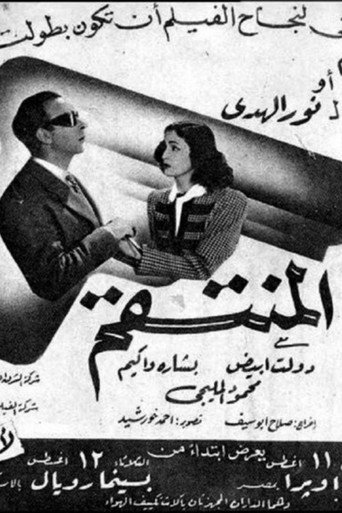
The Avenger
Two chemists working at the same laboratory compete over the heart of the daughter of the laboratory owner. When the girl chooses one, the other gets jealous and ploys a scheme that aggravates and leads to a great explosion and an even greater tragedy.

Tango of Yearning
Tango of Yearning (1998) is the first episode of an autobiographical trilogy on postwar Lebanon, later including Nightfall (2000) and Civil War (2002). Taking its title from Tango of Hope, a classic ballad by Nur al-Huda, the film draws from the director’s reflections on war, love, and cinema, as well as his personal experience at the public television channel TéléLiban. Conjuring various snippets of audiovisual archival material, the film is a poetic elegy to film, Beirut’s movie theaters, and a city undergoing radical transformation. Mohamed Soueid has long been a proponent of the experimental video documentary movement in Lebanon, playing a significant role in the country’s creative renaissance since the end of the civil war. Originally trained as a news videographer during the war, the experience offered him a facility with the medium, which he further developed by making non-linear documentary films with a distinctly personal take.
Berlanty
After the death of the girl's father, Berlanti, her means of life become more limited and her mother falls ill, so Berlanti is forced to work as a singer so that she can be treated. The lawyer Sami marries her, and as events unfold, Berlanti sees that she is standing in the way of Sami's success. She sacrifices her reputation so that he can leave her. He believes this and expels her. He marries the girl, Samiha, and as events develop, Berlanti is accused of murder.
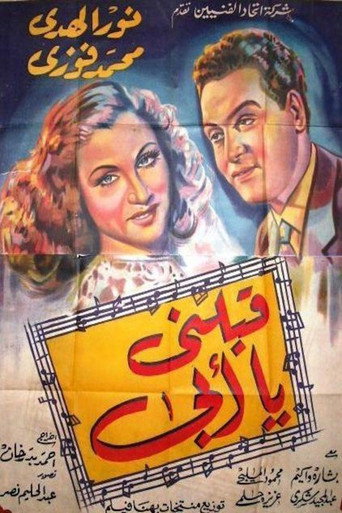
قبلني يا أبي
When Arna'out Pasha learns that his son is married to a dancer in secret and that they have a child, he threatens to cut his son off. The son sends his family to Lebanon but as war breaks out, he loses contact with them.
Gallery