Notis Peryalis Movies, TV Shows, and Filmography
Notis Peryalis
Acting
Biography
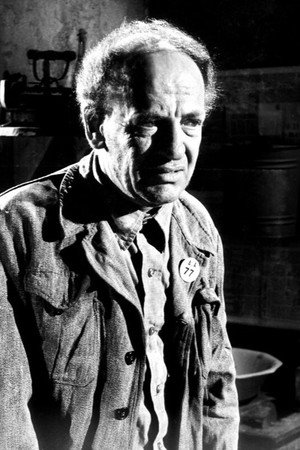
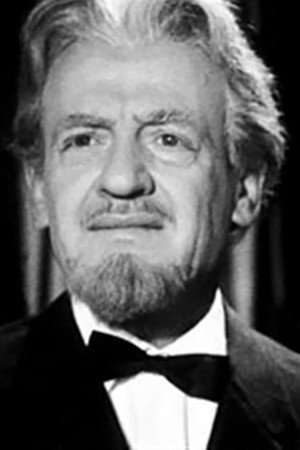
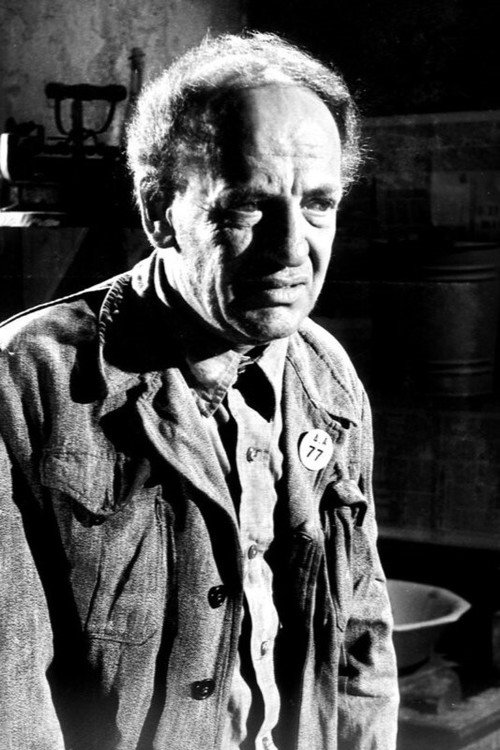
Notis Pergialis ( Greek: Νότης Περγιάλης), 16 August 1920 - 10 November 2009) was a Greek writer, actor, director and lyricist. He appeared in more than thirty films from 1953 to 1983. Until his death, he staged theatrical performances with an amateur group at Agioi Theodoroi. He was born in Anogia, Laconia. His real name was Georgios Nikolopoulos (Greek: Γεώργιος Νικολόπουλος). He studied at the theatrical school founded by Vassilis Rotas. Since 1949 he has worked as an actor and writer in theater, cinema and radio. However, he emerged more as an actor in cinema and television, playing characteristic roles. He wrote many plays, such as "Pain Gives Birth to Gods", which was awarded the prize of the Kalokairinios competition, "Sunborn" and "The Girl with the Ribbon", "Song in Messolonghi" (directed by Pelos Katselis as part of the Messolonghi festivities in 1957), "Eichmann and the Parrot" (1971),"Golden Pill" and "Antigone of the Occupation" (People's Theatre Manos Katrakis 1954, 1958 and 1960 respectively), "Masks for Angels" (Elsa Vergi Company 1959), "Crazy Moon" (Arma Theatre 1965), "This Tree Wasn't Called Patience" (Hatziskos Nikiforakis Company 1974-5) etc. He is the lyricist of the very famous song Let's take a walk to the moon, the music of which was written by Manos Hadjidakis. He is also the lyricist of the songs O leventis, Ti na tina konou ti khara, To bloko tis Kaisariani, composed by Mikis Theodorakis, of the song Gremismena ssypto with music by Yannis Markopoulos, Nyfiatiko strogo etc. He wrote the script and participated as narrator in the television series Christ Recrucified (1975) (television adaptation of the novel the same name written by Nikos Kazantzakis) directed by Vasilis Georgiadis. Author of the book "When the Trees Rise" (novel 1971), "Atar Never Dies" (1971), "The Red Bird". Also the plays "Chekhov's Neighborhood" (1976) (National Theatre - New Stage - December 1976 - Direction: Dinos Dimopoulos), "Magic City" (1963) (Musical review in collaboration with Iakovos Kambanellis and music by Mikis Theodorakis), "Open the Door" (1986) and the radio play "The Horse of Thanasis" (recorded in 1954 and directed by Nikos Gatsos in which he also participates as an actor). He also wrote the screenplays-adaptations for the radio sketch plays "Lambros and Maria" (1954) (Manolis Skouloudis) and "O Astrapogiannos" (1954) (Aristotles Valaoritis), the musical score of which was made by Mikis Theodorakis. He also played in the radio play by Pavlos Nirvanas "Maria the Pentagiotissa" (adaptation by Mary Veaki, directed by Mitsos Lygizos and recorded in 1958). His works have been translated into English, French, German and Danish languages. He made his debut in Lemos Troupe (1950), at the "Dionysia" Theater in Kallithea. He was said to have been inspired by romanticism and symbolism, as well as by Federico García Lorca. He drew themes from the lives of ordinary people, which he described with sensitivity and humanity. He was a regular member of the Society of Greek Playwrights, the Society of Greek Writers, the International Theater Center and the Greek Actors' Union, whose activities he has helped. He has been honored with the Gold Medal of the Holy City of Messolonghi, the Newspaper Critics Award at the Thessaloniki Festival. He was a permanent resident of Nea Smyrni, Athens.
Filmography Movies
Acting
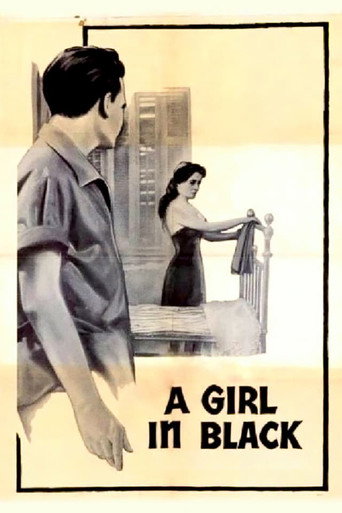
A Girl in Black
Against the backdrop of a cloudless summer, love's unforeseen complications will entwine an Athenian writer, a morosely beautiful daughter, and a scorned local suitor. And then, calamity strikes. Can love redeem the sad girl in black?
Crazy of all Greece
Thanasis works in the café he inherited from his father and hopes that his children will manage to complete their studies. This desire is based on his own dream of becoming a judge, which never happened due to his father's objections.
Electra
Living in exile after the death of their father, the grown children of a murdered and usurped king converge to exact eye-for-an-eye revenge.
The Swamp
Lena, Alexis and Manolis are ready to run with the money of a bogus company they had founded, when Lena discloses the secret to her childhood friend Dimitris. Alexis and Manolis decide to take him along, in their small private plane. They will land in a deserted spot and try to kill him, while Lena escapes with the plane, which she throws to a swamp along with the money it carries. The people from a lighthouse nearby apprise of the situation and try to get the plane out of the swamp, hoping the money will change their fortune.
The Daughter of the Sun
The plain of Thessaly, 1910. The tenant farmers suffer untold hardships, both from the Arvanites invaders who ravage and seize their possessions and from the chief landlord of the area Stratos Karatzas, who claims the lion’s share of their harvest. The dynamic daughter of one of the tenant farmers, Maya, who is about to get married to a young farmer, Lefteris, leads their struggle for better conditions and confronts Karatzas – as well as his niece Vgenio, who also wants Lefteris. The latter plots and succeeds to separate them. Lefteris leaves for the army and Karatzas persuades Maya to marry him. Lefteris is captured during an ambush set by the Turks, but in the end he is set free and returns to Maya’s arms forever.
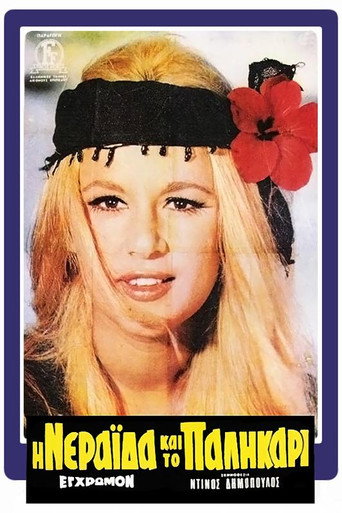
I Neraida Kai to Palikari
Fourtounakis’ daughter, Katerinio, is forced to get engaged with a brutal Cretan, Skandalakis. But the return of Manousos Vrontakis from Athens and his flirtation with the girl leads to a great romance, without them knowing that they belong to families who are longstanding enemies.
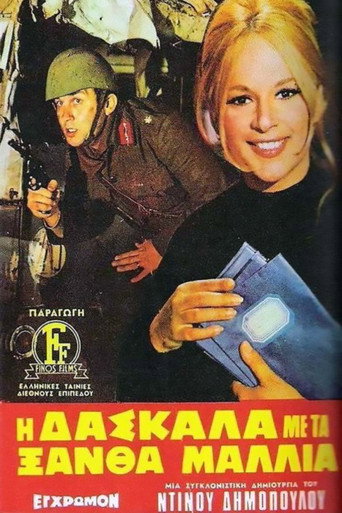
The Teacher with the Golden Hair
Amid blinding prejudice, a vivacious blonde teacher gets married to an honest man, only to see him leave for the Greco-Italian Front, a few hours after their wedding ceremony. Will she cope with her loss, when there's no one to turn to?
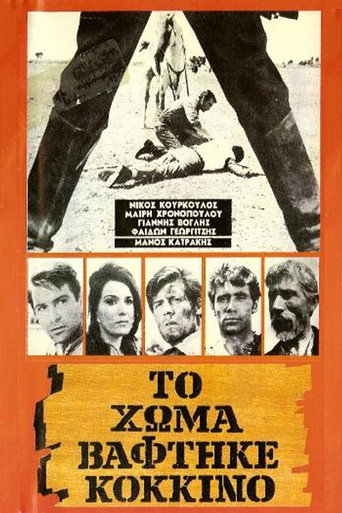
Blood on the Land
Two rival brothers vie for the same woman against the backdrop of peasant revolts in their Greek homeland. In Thessaly in 1907, a man incites the poor farmers to take over the land they work for the benefit of the landowners. Odysseus (Nikos Kourkoulos), the son of one such landowner (Manos Katrakis), refuses to clash with the farmers.
The Red Lanterns
The inextricably intertwined stories of five sex workers who live in a brothel at Pireas harbor.
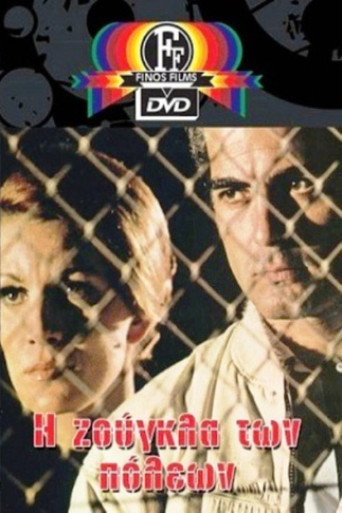
The Jungle of Cities
Athens, 1964. A police reporter, Nikos Avgeris, has the journalistic mission to cover a suspected car crash that killed a senior state official. His investigation reveals that the victim was responsible for the financial control of a large building organization and that he was being used to cover the illegality of his administration. This organization had abused much of the money earmarked for the erection of homes for homeless war wounded, and is now very much annoyed by the revelations of Augustus. This is why they try to close his mouth, but he is not hurt and continues the investigation. Augustus reaches the end, revealing everything and clearing up yet another dirty affair.
Production
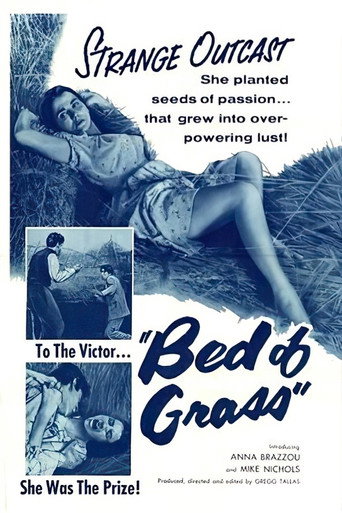
Bed of Grass
Agioupa, an unruly orphan girl, sleeps in the fields, choosing the company of the birds to her fellow villagers.
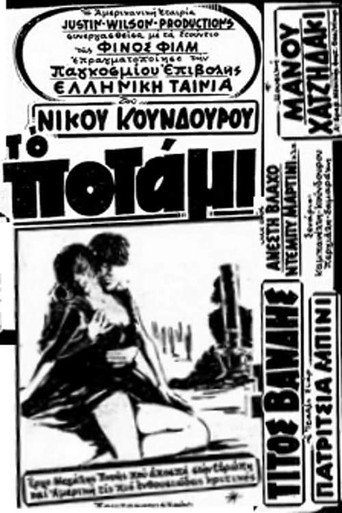
The River
This films tells four different stories, all connected by the banks of a river.
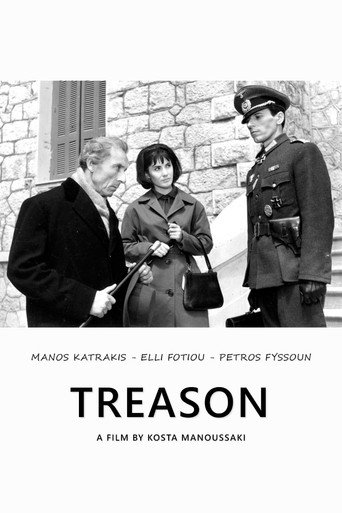
Treason
A Nazi officer arrives in occupied Athens in 1941 and falls in love with a Jewish girl, unaware of her true identity.
Gallery