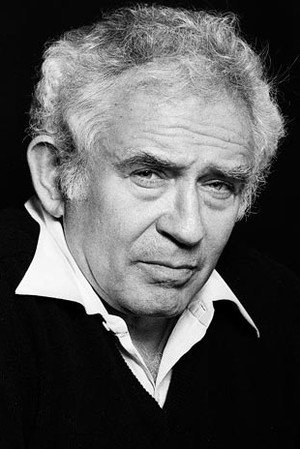
Norman Mailer Movies, TV Shows, and Filmography
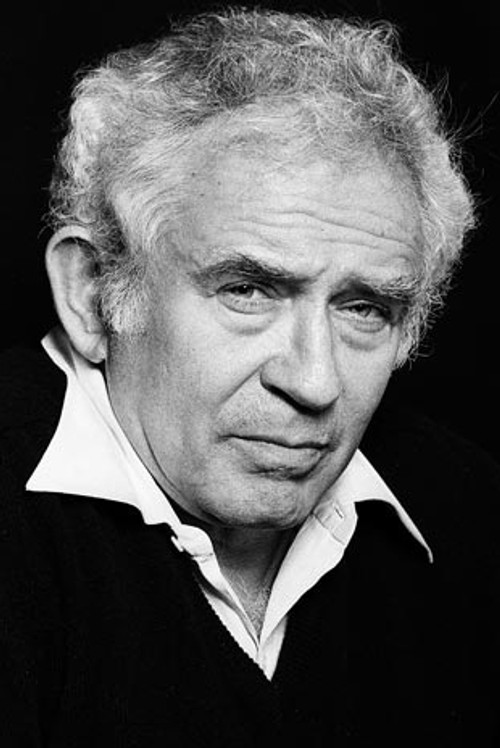
Norman Mailer
Acting
Biography
Norman Kingsley Mailer (January 31, 1923 – November 10, 2007) was an American novelist, journalist, essayist, playwright, activist, filmmaker and actor. In a career spanning over six decades, Mailer had 11 best-selling books, at least one in each of the seven decades after World War II—more than any other post-war American writer. His novel The Naked and the Dead was published in 1948 and brought him early renown. His 1968 nonfiction novel Armies of the Night won the Pulitzer Prize for non-fiction as well as the National Book Award. His best-known work is widely considered to be The Executioner's Song, the 1979 winner of the Pulitzer Prize for fiction. Mailer is considered an innovator of "creative non-fiction" or "New Journalism", along with Truman Capote, Joan Didion, Hunter S. Thompson, and Tom Wolfe, a genre which uses the style and devices of literary fiction in factual journalism. He was a cultural commentator and critic, expressing his views through his novels, journalism, frequent press appearances and essays, the most famous and reprinted of which is "The White Negro". In 1955, he and three others founded The Village Voice, an arts and politics-oriented weekly newspaper distributed in Greenwich Village. In 1960, Mailer was convicted of assault and served a three-year probation after he stabbed his wife Adele Morales with a penknife, nearly killing her. In 1969, he ran an unsuccessful campaign to become the mayor of New York. Mailer was married six times and had nine children. Description above from the Wikipedia article Norman Mailer, licensed under CC-BY-SA, full list of contributors on Wikipedia.
Filmography Movies
Acting
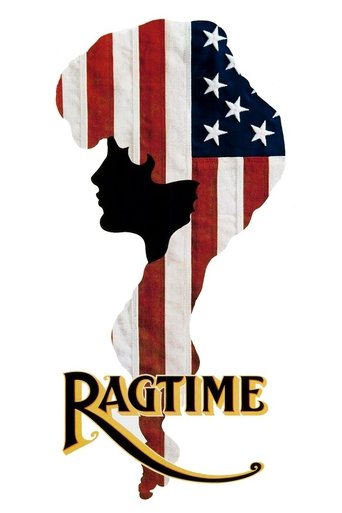
Ragtime
A young black pianist becomes embroiled in the lives of an upper-class white family set among the racial tensions, infidelity, violence, and other nostalgic events in early 1900s New York City.
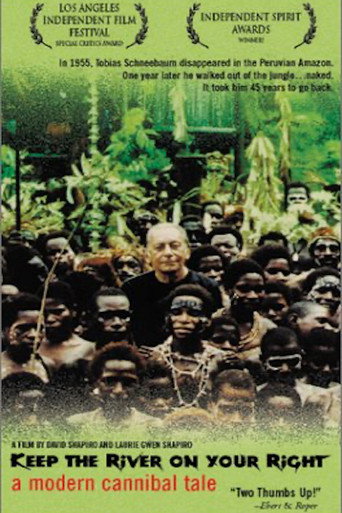
Keep the River on Your Right: A Modern Cannibal Tale
In 1955, Tobias Schneebaum disappeared into the depths of the Peruvian Amazon. He had no guide, no map, and only the vaguest of instructions: Keep the river on your right. A year later Schneebaum emerged from the jungle…naked, covered in body paint, and a modern-day cannibal. Titled after Schneebaum’s 1969 cult classic memoir about his formative experiences living in the Amazon, Keep The River On Your Right is the extraordinary stranger-than-fiction story of Schneebaum’s return to the jungle, 45 years after his original visit, to reunite with the very tribesmen he loved and who gave him nightmares for nearly half a century. A deeply affecting and searing portrait, sibling filmmakers Laurie and David Shapiro capture a man in utter conflict, a fearless adventurer, and one of the most charming, enigmatic, and perplexing men ever captured on screen.
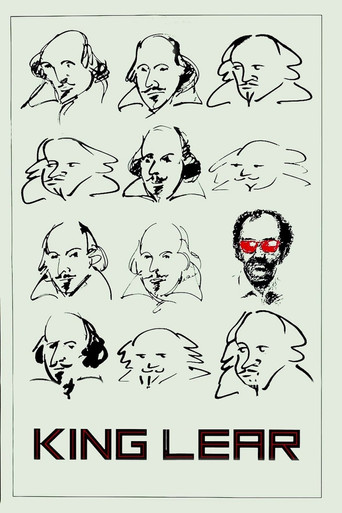
King Lear
A descendant of Shakespeare tries to restore his plays in a world rebuilding itself after the Chernobyl catastrophe obliterates most of human civilization.
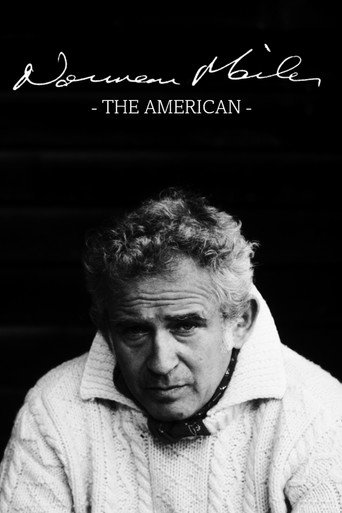
Norman Mailer: The American
A provocateur, a rebel, a performer, and a true American, Norman Mailer never stopped giving people something to talk about. This documentary goes beyond the Mailer of the bookshelves and NY Times best seller list to Mailer the social critic, family man, filmmaker, and lover. Here's a look into the life of a complex, intellectual, working class hero. With never before seen footage of Adele Morales Mailer's startling revelations after being stabbed by her husband. Featuring unseen footage and interviews from wives and lovers, enemies and admirers, his children and the man himself.
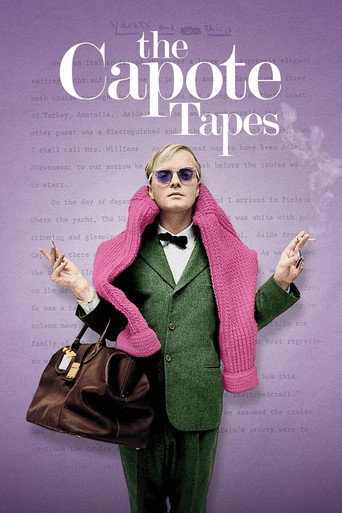
The Capote Tapes
A portrait of the brilliant American writer Truman Capote (1924-84) and the New York high society of his time.
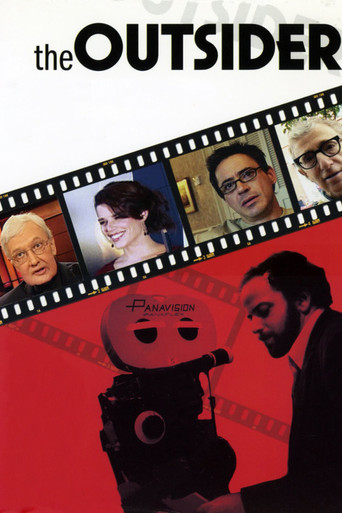
The Outsider
Nicholas Jarecki follows director James Toback on the 12-day shoot of his thriller, When Will I Be Loved -- a movie made without a script or distribution deal.
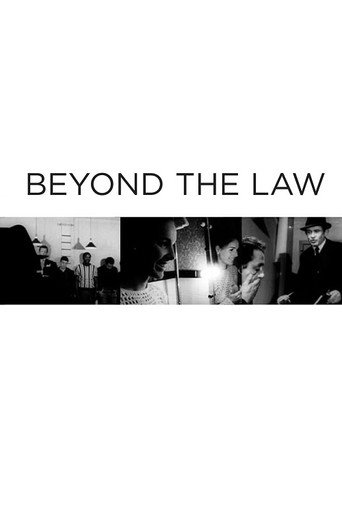
Beyond the Law
Takes place over the course of one feverish night in a Manhattan police precinct and neighboring bar.
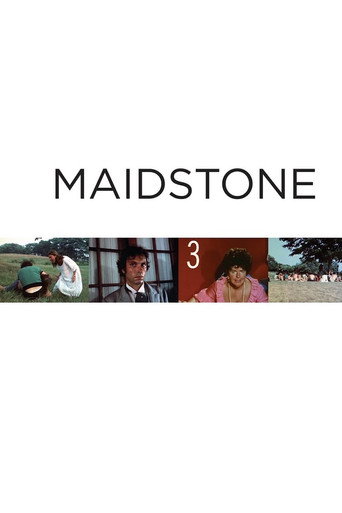
Maidstone
Over a booze-fueled, increasingly hectic five-day shoot in East Hampton, Norman Mailer and his cast and crew spontaneously unloaded onto film the lurid and loony chronicle of U.S. presidential candidate and filmmaker Norman T. Kingsley debating and attacking his hangers-on and enemies. This gonzo narrative, “an inkblot test of Mailer’s own subconscious” (Time), becomes something like a documentary on its own making when costar Rip Torn breaks the fourth wall in one of cinema’s most alarming on-screen outbursts.

Wild 90
Norman Mailer’s first feature filmmaking effort stars the director and his two longtime collaborators Buzz Farbar and Mickey Knox as a trio of gangsters holed up in a ramshackle New York apartment, drinking, braying, and fighting.
New York in the Fifties
New York in the Fifties is the story of a unique time and place, when New York was the hotbed of new artistic expressions, free love, drinking, hot jazz, and radical politics. The film combines stunning archival footage of New York with interviews and footage of icons of the day-Kerouac, Ginsberg, Baldwin, Mailer, Basie, etc. Offering modern day perspective and reminiscences are writers, actors, and artists such as Joan Didion, Robert Redford, Nat Hentoff, Gay and Nan Talese, John Gregory Dunne, William F. Buckley, and Calvin Trillin-all part of the rich cultural and artistic scene of the time. Based on the best-selling book by Dan Wakefield, the film also traces Wakefield's restless rebellion in conformist Indianapolis, and his escape to New York with dreams of writin ga novel, falling in love, meeting like-minded souls and questioning the meaning of life.
Production
Maidstone
Over a booze-fueled, increasingly hectic five-day shoot in East Hampton, Norman Mailer and his cast and crew spontaneously unloaded onto film the lurid and loony chronicle of U.S. presidential candidate and filmmaker Norman T. Kingsley debating and attacking his hangers-on and enemies. This gonzo narrative, “an inkblot test of Mailer’s own subconscious” (Time), becomes something like a documentary on its own making when costar Rip Torn breaks the fourth wall in one of cinema’s most alarming on-screen outbursts.
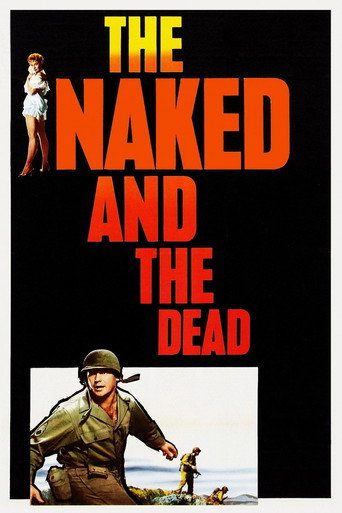
The Naked and the Dead
Fighting men in World War II learn the value of courage and quickness at the risk of losing their lives.
King Lear
A descendant of Shakespeare tries to restore his plays in a world rebuilding itself after the Chernobyl catastrophe obliterates most of human civilization.
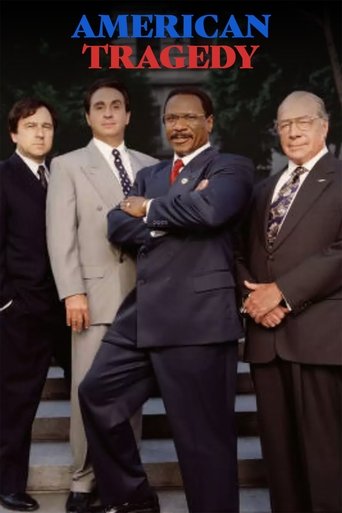
American Tragedy
Johnnie Cochran defends O.J. Simpson who is on trial for his wife's murder.
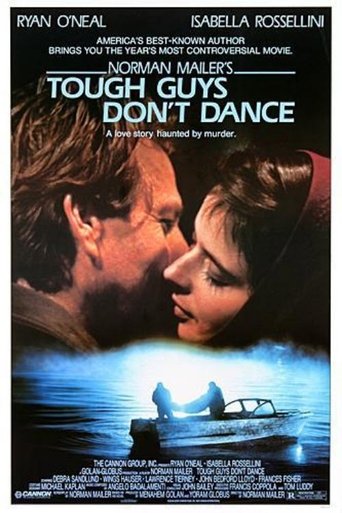
Tough Guys Don't Dance
Tim Madden awakens one morning to discover a fresh tattoo on his arm, his car covered in blood, his girlfriend in bed with the town sheriff, and a woman's severed head in his weed stash. Sensing a setup and in desperate need to clear his name, he begins an investigation that soon begins to expose a web of corruption in the small coastal community of Provincetown.
Tough Guys Don't Dance
Tim Madden awakens one morning to discover a fresh tattoo on his arm, his car covered in blood, his girlfriend in bed with the town sheriff, and a woman's severed head in his weed stash. Sensing a setup and in desperate need to clear his name, he begins an investigation that soon begins to expose a web of corruption in the small coastal community of Provincetown.
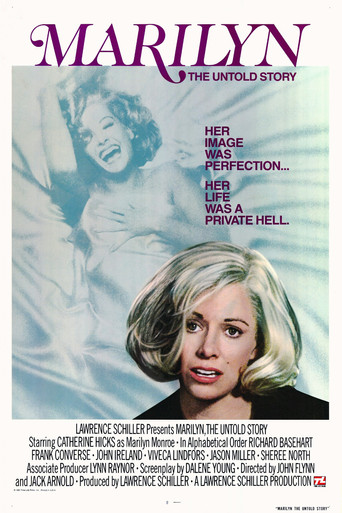
Marilyn: The Untold Story
The story of the life and times of the legendary Hollywood blonde bombshell, Marilyn Monroe, from her meteoric rise to stardom to her marriages and untimely death.
Beyond the Law
Takes place over the course of one feverish night in a Manhattan police precinct and neighboring bar.
Wild 90
Norman Mailer’s first feature filmmaking effort stars the director and his two longtime collaborators Buzz Farbar and Mickey Knox as a trio of gangsters holed up in a ramshackle New York apartment, drinking, braying, and fighting.
Maidstone
Over a booze-fueled, increasingly hectic five-day shoot in East Hampton, Norman Mailer and his cast and crew spontaneously unloaded onto film the lurid and loony chronicle of U.S. presidential candidate and filmmaker Norman T. Kingsley debating and attacking his hangers-on and enemies. This gonzo narrative, “an inkblot test of Mailer’s own subconscious” (Time), becomes something like a documentary on its own making when costar Rip Torn breaks the fourth wall in one of cinema’s most alarming on-screen outbursts.
Gallery