Acting
No biography available.
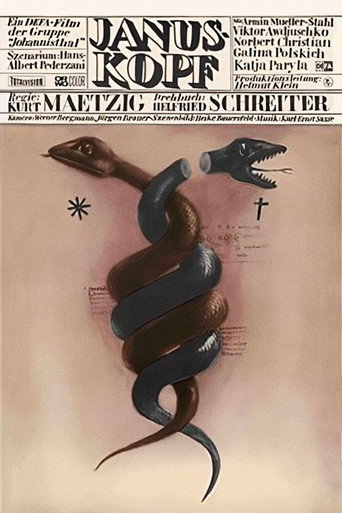
World-famous geneticist Professor Hülsenbeck is a man of integrity who refuses to mix science and political gain. When his findings are being used to harm humanity, he immigrates to the USA in 1933 in protest against Nazi racial politics.
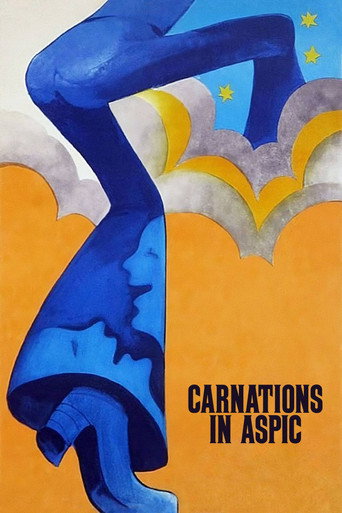
A commercial artist with a lisp chooses silence, unexpectedly propelling his career. His perceived innovation leads to rapid advancement in an ad agency. Mueller-Stahl shines in this biting critique of East German workplace culture.
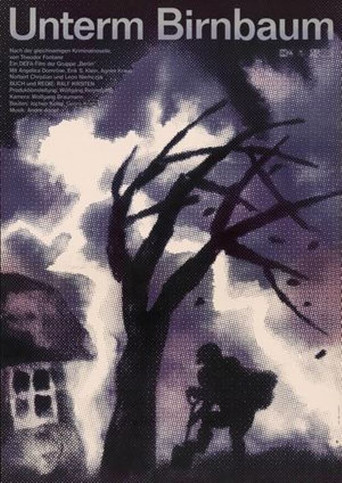
Abel Hradscheck, the owner of an inn in the Oderbruch country, faces financial ruin. For this state of affairs, Ursula, his wife and former actress, is by no means free of blame. She is a "newcomer" to the area and even after eleven years in the area, still a "stranger". A Cracow company announces that a money-collector is on his way to the innkeeper. Mr. Szulski arrives and the debts are settled - with money supposedly stemming from an inheritance. The next day, Szulski departs but according to the maid and the stable-boy, behaves in a very strange manner. Soon afterwards, his carriage is discovered in the Oder River, but there is no trace of the drowned man. Hradscheck's neighbor starts casting suspicion on the innkeeper. The Counselor of Justice, who heads the investigations has the spot under the pear tree dug out. A dead body is exhumed...
This documentary shows the German Peasants’ War between 1524 and 1525 and looks at the role of Thomas Müntzer in it. Müntzer, who was a follower and admirer of Martin Luther, directed his resistance not only against the clerical authorities ruled by the papacy, but also against the secular worldly order. In Mühlhausen, Müntzer worked as a pastor in the Marienkirche and later became an agitator and promoter of the violent liberation of the peasants. Luther distanced himself from Müntzer at the beginning of the Peasant Wars. In the battle of Frankenhausen the rebels were completely defeated, Müntzer captured, tortured and publicly executed on May 27, 1525.
During the October Revolution in 1917 the Bolshevik Party appointed a woman commissioner of the “Free Anarchist-Revolutionary Section”. This regiment emerged from an anarchist division of the ship of the line “Imperator Paul I.”
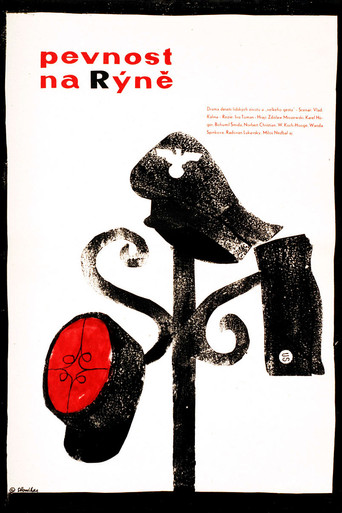
During the Second World War, an old fortress is transformed into a detention camp for arrested allied generals who the Germans provide with every possible comfort. In the nearby garrison camp, however, hundreds of captured private soldiers try to survive hunger and cold.
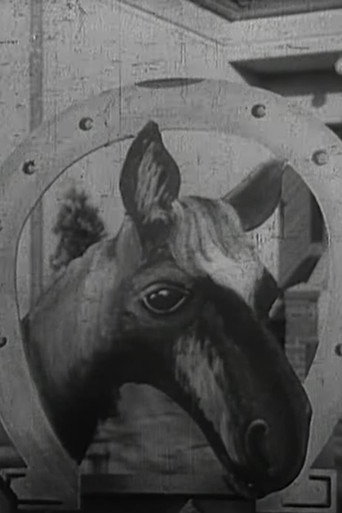
Psichinski rings Mr. Semmler's doorbell and alerts him to strange noises in the attic. Together they sneak upstairs and discover a full-grown horse, which they report to the police officer. He triggers the alarm. The fire department and several workmen marvel at the event and ponder how it could have gotten there in its full size. The return transport requires structural measures and reconstruction work. After completion, Psischinski's house resembles a "jewel box". Later, the policeman asks Psischinski how he "managed" the matter and learns that he had brought a foal there 1½ years ago in order to draw the attention of the public, especially the tradesmen, at the appropriate time so that work that was difficult to carry out could finally be completed. Shaking his head, the official, who also owns a house, leaves the property with the comment: "You should have a horse!"
A short biography of Arnold Zweig, through the lens of East Germany state media.
This is part one of a two-part biopic about Karl Liebknecht. In 1914, Germany is arming itself for war. Karl Liebknecht, left-wing revolutionary Social Democrat, workers’ leader and a virulent antimilitarist, is one among 110 SPD members of Parliament who vote against approving war loans. From then on, he is considered un-German and a traitor to the fatherland, and his own party’s leadership turns against him. Despite threats, Liebknecht speaks up against the war and writes the manifesto “The Main Enemy Is at Home.” Even when he is arrested and charged with treason, he does not surrender.
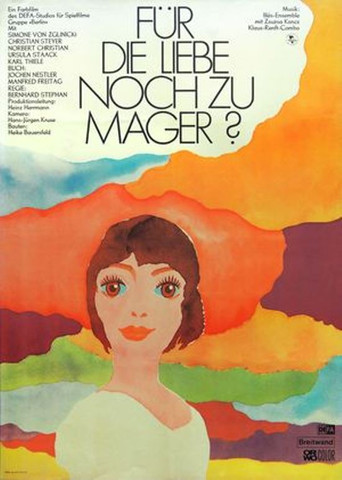
At the textile company, everyone appreciates the work of 18-year-old Susanne, but nobody really considers her a woman—including Lutz, with whom she is in love. She sets about to make a change, but it is only when she realizes that she is being taken advantage of that a more self-confident Susanne emerges.