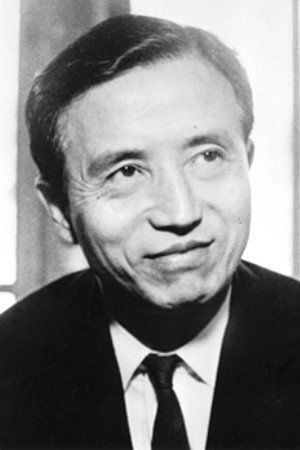
Noboru Nakamura Movies, TV Shows, and Filmography
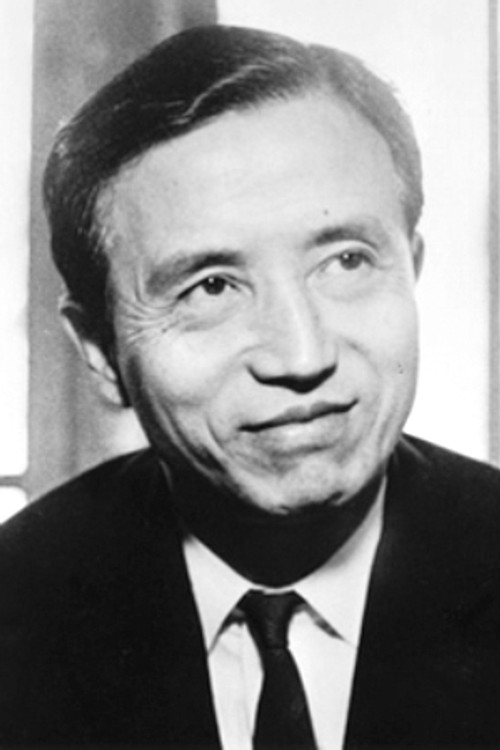
Noboru Nakamura
Directing
Biography
Noboru Nakamura (中村登, Nakamura Noboru, 4 August 1913 – 20 May 1981) was a Japanese film director and screenwriter. After graduating from the Tokyo Imperial University Faculty of Letters in 1936, Nakamura joined the Shochiku film studios, working as an assistant director for Torajirō Saitō and Yasujirō Shimazu. He debuted as director in 1941 with Life and Rhythm, and finally received recognition with his 1951 film Home Sweet Home. His most noted works include the Yasunari Kawabata adaptation Twin Sisters of Kyoto (1963), The Kii River (1966) and Portrait of Chieko (1967). Both Twin Sisters of Kyoto and Portrait of Chieko were nominated for the Academy Award for Best Foreign Language Film Nakamura was posthumously awarded the Order of the Rising Sun, 4th class.
Filmography Movies
Production

Natsuko’s Adventure in Hokkaido
Born to a prestigious family, Natsuko is not impressed by any one of her suitors. Determined to spend her life serving god, she sets off to a convent in Hakodate, Hokkaido, and meets along the way a young bear-hunter with whom she begins an adventure.

Three Faces of Love
When a gifted Japanese craftsmen dies, his three daughters are summoned to decide who will take over the family ribbon business in this family drama. Only one daughter cares to carry on her father's work, but she is met with resistance from her stepmother. One sister cares nothing for the artisan tradition, while the other is an icy opportunist whose only love is for money. It is the daughter who cares the most for her father's work who wanders away in a symbolic journey of self discovery.
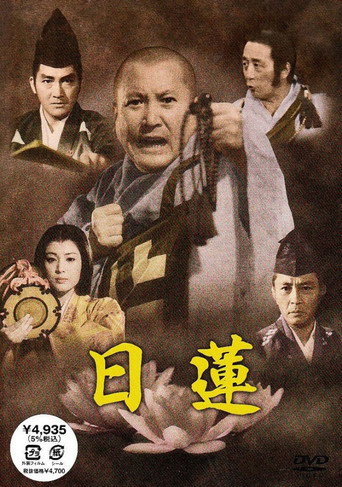
Nichiren
An epic drama about Nichiren's life. Nichiren was a Buddhist monk who lived for 60 years during the Kamakura period (1185-1333) in Japan. Nichiren taught devotion to the Lotus Sutra as the exclusive means to attain enlightenment. Because of his devout belief, Nichiren is met with opposition throught his travels, with life on the line, can Nichiren accomplish his goal?
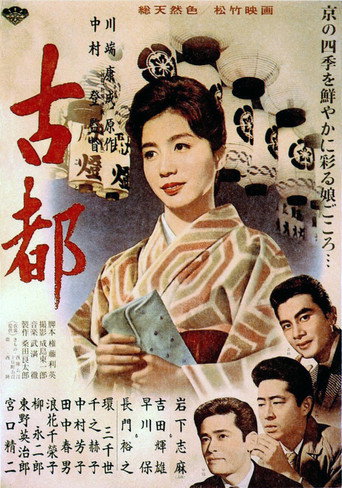
Twin Sisters of Kyoto
In this Japanese drama, a dry goods merchant's daughter is surprised to discover that she has a twin sister. In rural Japan it was thought that twins bring bad luck, so the sister was abandoned at birth. Later her parents tell her that her sister was kidnapped. The woman doesn't believe this and when she eventually meets her twin, both women are involved in love affairs. The merchant's daughter is seeing an educated fellow. Trouble ensues when she begins suspecting that he may be more interested in her sister.

Portrait of Chieko
Takamura, a poet and sculptor, marries a budding artist named Chieko who dreams of becoming an oil painter. When a series of hardships befall her family, she finds herself unable to confide in her husband, and the pain she carries within begins to weigh heavily on her sanity...
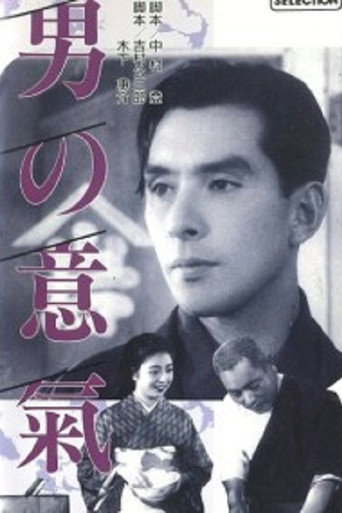
Otoko no iki
This was 1942, so it was a national policy film, no matter what you call it. But when the war was still on the winning side, there wasn't even a little bit of sadness in the film (as the war was getting worse and worse, the burdens on our backs were increasing day by day, and we had to keep forming a line for tomorrow with nowhere to go (Akira Kurosawa's "The Most Beautiful", Admiral Nomura's "Enemy Air Raid", etc.) (Song of Annihilation, directed by Sasaki Yasushi). The film closes with the hope of the blue cloud that is bubbling up in the air. Or it may be the last time that a Japanese film talks about war and looks at the end of the war with an unconcerned eye.
Otoko no iki
This was 1942, so it was a national policy film, no matter what you call it. But when the war was still on the winning side, there wasn't even a little bit of sadness in the film (as the war was getting worse and worse, the burdens on our backs were increasing day by day, and we had to keep forming a line for tomorrow with nowhere to go (Akira Kurosawa's "The Most Beautiful", Admiral Nomura's "Enemy Air Raid", etc.) (Song of Annihilation, directed by Sasaki Yasushi). The film closes with the hope of the blue cloud that is bubbling up in the air. Or it may be the last time that a Japanese film talks about war and looks at the end of the war with an unconcerned eye.
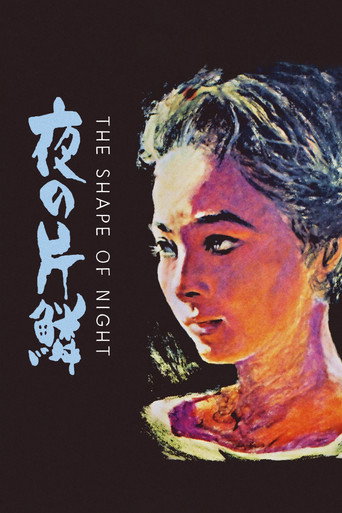
The Shape of Night
Yoshie Nogami, a factory worker by day, works as a bar hostess at night. She begins a passionate affair with one of her regulars, but his changing demeanor and constant demands for money lead Yoshie down a dark path.
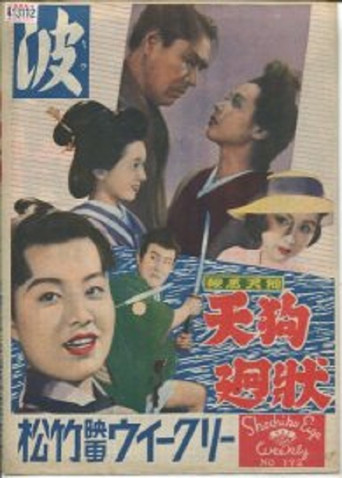
The Waves
Before a young woman can be sold to a geisha, she becomes pregnant.
Gallery