Camera
No biography available.
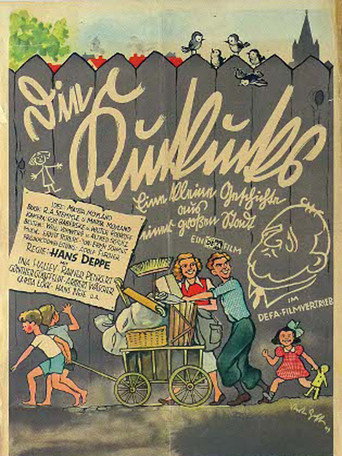
Berlin, shortly after World War II. Five parentless siblings, led by the oldest sister Inge Kuckert, search for a place to stay and a basis of existence in the destroyed city. A bombed villa in the Grunewald seems to be the right "cuckoo's nest", but an alleged authorised disposal tries to drive the siblings out of the building. Fortunately, the friendly neighbor can help.
The movie "L'instant de la paix" consists of three segments: 1. "Les rideaux blancs" (France) 2. "Berlin N 65" (West Germany) 3. "Matura" (Poland)
In the past, it was common for women to take care of the children and run the household. But did housewives think that was a good thing? And what did the younger generation think of housewives? Did they want to become one themselves?
Two young oil salesmen from Hamburg, who are tasked with buying oil from the Middle East as cheaply as possible for their company, get caught up in a clash between a local gang of drug smugglers and the police. Each stage of this dangerous adventure could earn them either twenty years in prison or liquidation by the gang. The appearance of a beautiful, somewhat enigmatic woman adds to the allure. Two middle-class existences in a foreign country, confronted with the rude methods of the police and criminal elements, form the field of tension in this adventure story, which was produced with an international cast.
A 47-minute black-and-white film by Theo Gallehr and depicts Il Gruppo in various candid stages - in interviews, setting up, recording, working with eachother, and performing onstage. The players showcased here include Bertoncini, Branchi, Evangelisti, Heineman, Kayn, Morricone, Vandor and Frederic Rzewski. It's interesting to watch the composers interact and perform spontaneously as it is to see them preparing the piano by tying horsehair around the strings and rubbing the interior with empty plastic bottles and vaccuum cleaner attachments.
Documentary about director Fritz Korner
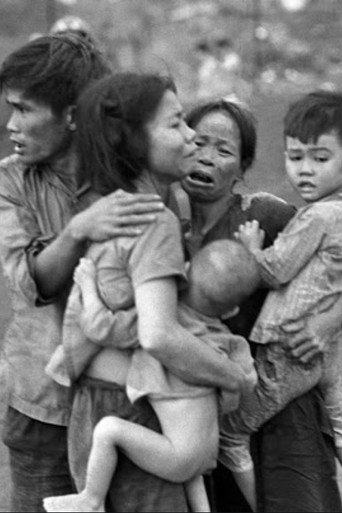
Filmmaker Marcel Ophuls investigates the massacre of My Lai by U.S. soldiers.
In 1970, the return of Ophuls to the United States from his adolescence, then mired in Vietnam: direct testimonies on the evolution of mentalities, between racism and generosity, reactionaries and hippies.