Nils Gaup Movies, TV Shows, and Filmography

Nils Gaup
Directing
Biography
Nils Gaup (born April 12, 1955) is a Sámi film director from Norway.
Filmography Movies
Acting
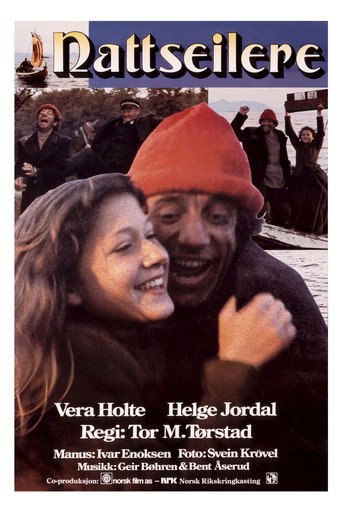
Nattseilere
Outer Senja in 1877. A young girl is found apparently lifeless among flotsam and seaweed. The storm has washed her ashore. Miraculously, they revive her, but she has lost her memory, and no one knows who she is or where she comes from. They call her "Båremor" or "The Girl from the Sea." A fisherman and his wife take care of her, and it gradually becomes clear that she has extraordinary abilities. Among other things, she plays the organ beautifully. The girl feels like a stranger among the weather-beaten coastal people, and she is driven to track down her original home. During her escape, she hides in the boat of the wandering vagabond Borr, a notorious and wanted daredevil. On the run from the sheriff and the priest, they try to find their way back to her birthplace.
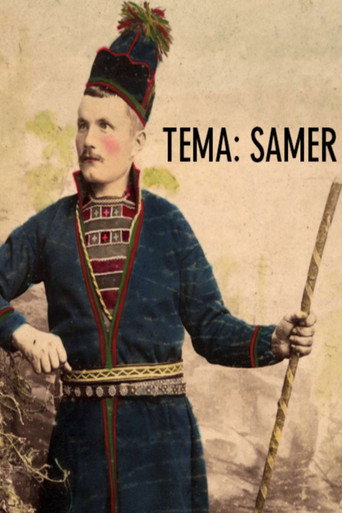
Tema: Samer
The Sámi people (also spelled Sami or Saami) are an indigenous Finno-Ugric people inhabiting Sápmi, which today encompasses large northern parts of Norway and Sweden, northern parts of Finland, and the Kola Peninsula within the Murmansk Oblast of Russia. A single daily newspaper is published in Northern Sámi, Ávvir. There are short daily news bulletins in Northern Sámi on national TV in Norway, Sweden and Finland. There is a Sámi theatre, Beaivvas, in Kautokeino on the Norwegian side, as well as in Kiruna on the Swedish side. The largest Sami Publishing house is Davvi Girji. In this program "Topic: Sámi" filmmaker Nils Gaup presents his latest production, "The Kautokeino Rebellion" (2008), author Ann-Helen Laestadius talks about to seek ones roots, and Isabel Pavval share how it is being a young Sámi and youth culture.
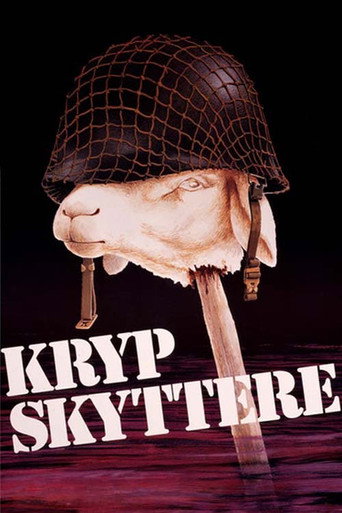
Krypskyttere
A conflict between the Norwegian military and the civilian population during the cold war. A disagreement arises about the right to a military shooting field.
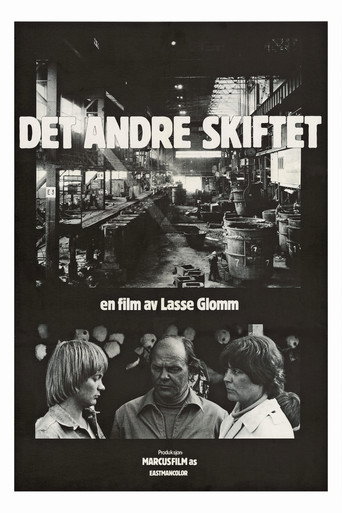
Det andre skiftet
Young Finn Olaf arrives at the Mo i Rana steelworks and, while befriending crane operator Trond and his wife Margot, embarks on a secret affair with Margot that shatters Trond’s stable existence.

Let the River Flow
During summer 1979, Ester moves to Alta in Northern Norway to begin teaching at an elementary school. Like many Sámi at the time, she is ashamed of her heritage and conceals her ethnicity. Ester goes to great lengths to fit in, even joining in with the derogatory jokes. When her cousin Mikkhal takes her to a camp by the Alta River, where people are demonstrating against the building of a dam, Ester learns how the fight for the river is also a revolt against the years of brutal racism and discrimination against her people. After a major confrontation with the police, Mikkhal and some other Sámi decide to go to Oslo to hunger strike in front of the Parliament. Knowing what is at stake, Ester realises it is time to make a stand…
Production
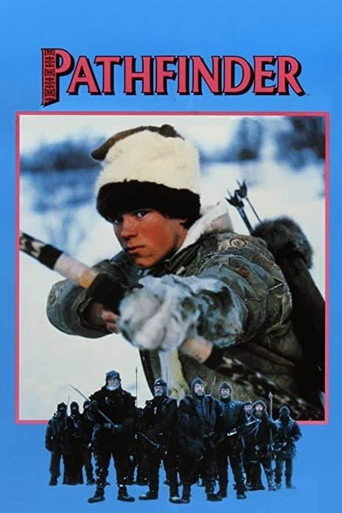
Pathfinder
Around the year 1000 AD warlike people, the so-called "tjuder", roam in northern Scandinavia. As they brutally kill a family in a remote area, including the parents and their little daughter, the family's teenage son, Aigin, observes the slaughter. He manages to flee from these killers and reaches a camp with other Sámi whose inhabitants are worried if he has been able to hide his track. Afraid of the murderous people, they decide to flee to the coast. The boy stays alone to avenge his family's murder. Unfortunately, they get him before he can do anything and force him to lead them to the other Sámi. He guides them but has a plan to destroy the barbarous people before reaching the camp.
Pathfinder
Around the year 1000 AD warlike people, the so-called "tjuder", roam in northern Scandinavia. As they brutally kill a family in a remote area, including the parents and their little daughter, the family's teenage son, Aigin, observes the slaughter. He manages to flee from these killers and reaches a camp with other Sámi whose inhabitants are worried if he has been able to hide his track. Afraid of the murderous people, they decide to flee to the coast. The boy stays alone to avenge his family's murder. Unfortunately, they get him before he can do anything and force him to lead them to the other Sámi. He guides them but has a plan to destroy the barbarous people before reaching the camp.
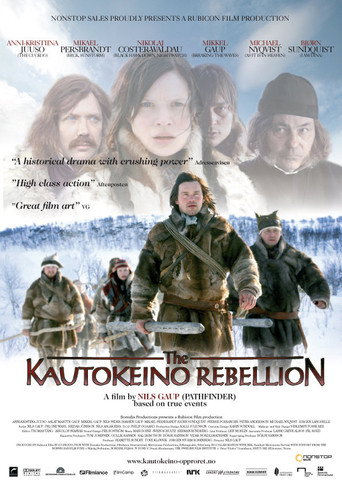
The Kautokeino Rebellion
Religious and cultural reawakening inspires rebellion in a 19th century Norwegian village.
The Kautokeino Rebellion
Religious and cultural reawakening inspires rebellion in a 19th century Norwegian village.
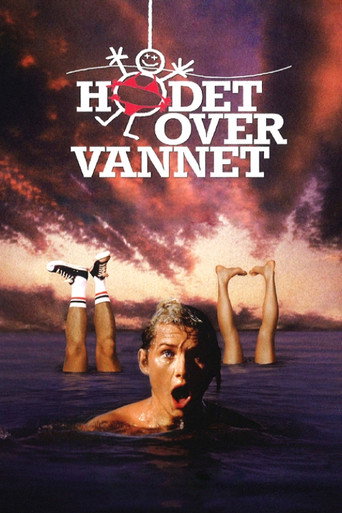
Head Above Water
Einar and Bjørn leaves Lene on the island for a fishing trip. Then her former lover, Gaute, drops by unexpectedly. Drunk, he sleeps in the double bed. Lene sleeps on the couch and wakes up when the men come back. She tries to wake Gaute, but then discovers that he's dead.
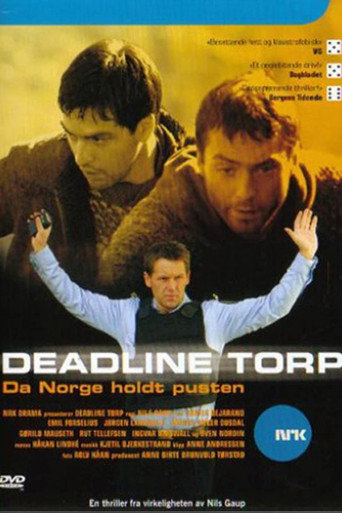
Deadline Torp
On September 28th, 1994, two Swedish men robbed a bank in the small Norwegian town of Larvik. Soon, with a massive police hunt underway, the robbers ended up taking two civilians and two police officers hostage. Next morning the drama would come to a deadly halt at nearby Torp Airport, where for the first time in history, a Norwegian police chief was forced to give the order to shoot to kill.
Deadline Torp
On September 28th, 1994, two Swedish men robbed a bank in the small Norwegian town of Larvik. Soon, with a massive police hunt underway, the robbers ended up taking two civilians and two police officers hostage. Next morning the drama would come to a deadly halt at nearby Torp Airport, where for the first time in history, a Norwegian police chief was forced to give the order to shoot to kill.
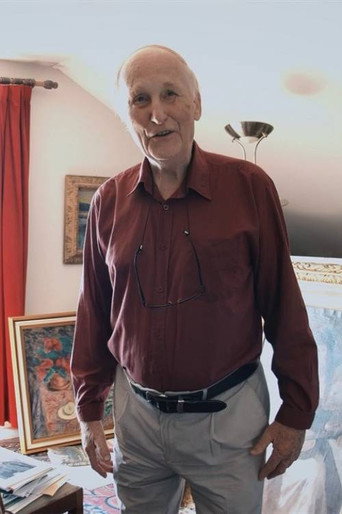
Images of a Nordic Drama
A persistent art collector faces unexpected resistance while championing the work of an unknown Norwegian artist after finding a cache of paintings in a barn. Despite success abroad, the undiscovered work of Aksel Waldemar Johannessen, an admired contemporary of Edvard Munch, takes nearly three decades to launch. The painter's oil depictions of prostitutes and drunks living in miserable poverty offend the bourgeois aesthetics of Norway's art establishment and challenge the canon to the point of sabotaging his rediscovery. Will rejection by the curatorial staff at the National Museum and gatekeepers of the Munch Museum diminish Johannessen's work?
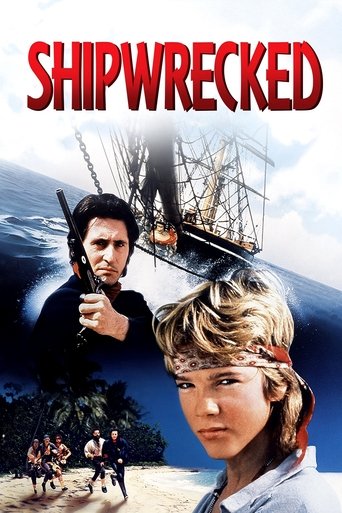
Shipwrecked
A young Norwegian boy in 1850s England goes to work as a cabin boy and discovers some of his shipmates are actually pirates.

The Riot
In 1907, the miners in Sulitjelma in Fauske in Nordland made a famous rebellion against greedy mine owners.
Gallery