Nikolay Volev Movies, TV Shows, and Filmography
Nikolay Volev
Directing
Biography
No biography available.
Filmography Movies

Production
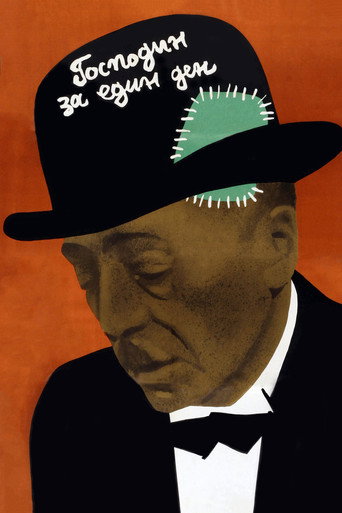
King for a Day
This film is a comedy about a poor man named Purko. Purko always fails in his attempt to escape from poverty. The film illustrates the social and the moral atmosphere in Bulgaria during the 1930's.
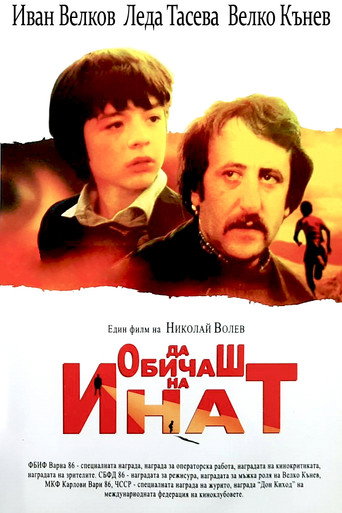
All for Love
A middle-aged man makes every effort to provide for more or less decent life for his family. He is a driver who carries vegetables and fruits. He spends reasonable to save for his family and especially for his kid. Everything is all right until the day when the boy finds out that the part of the money have been made in indecent way. This revelation provokes a serious conflict in the family and the boy deserts his home. The man makes an attempt to put an end to his shady deals, but it turns out to be impossible. His 'employers' display exorbitant aggressiveness.
All for Love
A middle-aged man makes every effort to provide for more or less decent life for his family. He is a driver who carries vegetables and fruits. He spends reasonable to save for his family and especially for his kid. Everything is all right until the day when the boy finds out that the part of the money have been made in indecent way. This revelation provokes a serious conflict in the family and the boy deserts his home. The man makes an attempt to put an end to his shady deals, but it turns out to be impossible. His 'employers' display exorbitant aggressiveness.
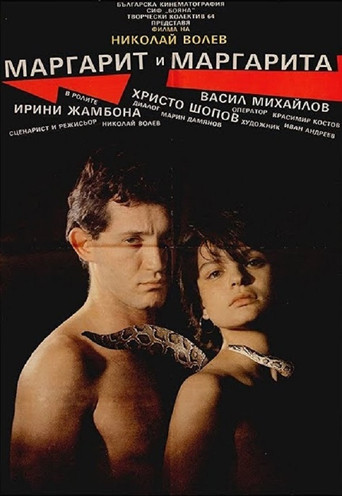
Margarit and Margarita
Teenagers Margarit and Margarita are in love. When Margarit defends Margarita from a joke at school, he gets expelled, and she joins him. Initially, things seem promising as Margarita has a chance to study folk dance with Julian, a gay instructor, and possibly join his company. Both Margarit and Julian are jealous, though it’s unclear of whom. Julian frames Margarita, and Margarit takes the blame. Margarita then attracts the attention of Nerizanov, a lustful and bisexual party boss, leading to further complications.

The Double
Denev is a specialist in his area. and has no time to write his dissertation. His cousin Ivan offers his help to switch places wich leeds to catostrophe.
Margarit and Margarita
Teenagers Margarit and Margarita are in love. When Margarit defends Margarita from a joke at school, he gets expelled, and she joins him. Initially, things seem promising as Margarita has a chance to study folk dance with Julian, a gay instructor, and possibly join his company. Both Margarit and Julian are jealous, though it’s unclear of whom. Julian frames Margarita, and Margarit takes the blame. Margarita then attracts the attention of Nerizanov, a lustful and bisexual party boss, leading to further complications.
Margarit and Margarita
Teenagers Margarit and Margarita are in love. When Margarit defends Margarita from a joke at school, he gets expelled, and she joins him. Initially, things seem promising as Margarita has a chance to study folk dance with Julian, a gay instructor, and possibly join his company. Both Margarit and Julian are jealous, though it’s unclear of whom. Julian frames Margarita, and Margarit takes the blame. Margarita then attracts the attention of Nerizanov, a lustful and bisexual party boss, leading to further complications.

Pots
The relationship between two potters from the village of Busintsi, famous for its ceramics, with two different life positions towards the vocation, one of art and one of work.

The Goat Horn
Middle Ages: Bulgaria is under the Ottoman Empire. Somewhere, far in the mountains, goatherd Karaivan lives with his wife and little daughter, Mariya. One day Turks burst into the house and rape the woman before the eyes of the daughter and husband. After the rape, she is killed by a raper and the girl is shocked into growing dumb. From this moment on, Karaivan is obsessed with the sole thought of taking revenge. He moves with his daughter into a cave high in the mountains, raises her as if she is a boy, trains her to fight and draw a bow. Deep in her heart, the girl has no hatred, but a craving for love. She meets a young Muslim shepherd and falls in love. The father is unable to swallow it and kills the young man.

Home No. 8: From the Life of the Oligophrenics
The monotonous existence of the underage residents at the Home for Oligophrenics, designated as No. 8, is marginally diversified by preparations for Children's Day. Marching and gymnastic routines are rehearsed. In instances where the impaired children fail to perform adequately, physical violence is administered. Every effort is made to ensure the institution presents a favorable image to the ministerial superiors. Conversely, these children, disadvantaged by nature, find their own small joys—some enjoy singing, others dancing, and some playing football. However melancholic life at Home No. 8 may appear, it remains a sunlit paradise compared to the destination awaiting everyone who reaches the age of 18: the home for adult oligophrenics No. 6.