Camera
No biography available.
Shame or Counterplan is a 1932 Soviet drama film directed by Sergei Yutkevich and Fridrikh Ermler. The film’s title-song called "The Song of the Counterplan", composed by Dmitri Shostakovich, became world famous and was adapted into "Au-devant de la vie", a notable song of the French socialist movement of the 1930s. This film could be considered as a Stalin propaganda film. The plot involves an effort to catch "wreckers" at work in a Soviet factory. From Wikipedia, the free encyclopedia
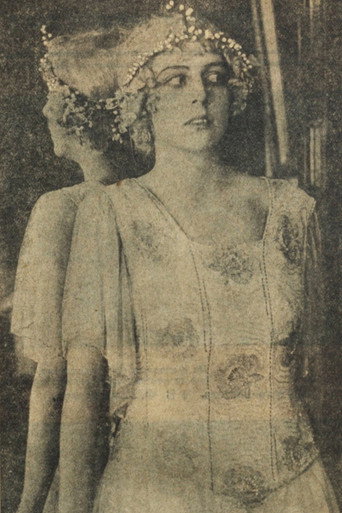
Despite living in luxury, Vera is lonely and discontented. When she accompanies her mother, the Countess, on a charity visit to the poor, she is troubled by what she sees, and she resolves to do whatever she can to help them…
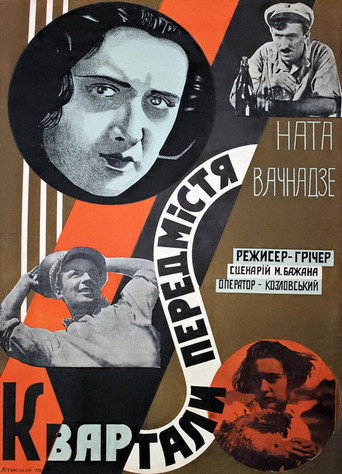
In the late 1920s Jewish girl Dora falls in love with a young Russian Komsomol member. His parents,who are captive to religious superstitions, don't like Dora. She still goes to live with him and will find herself facing those superstitions in her husband home too.
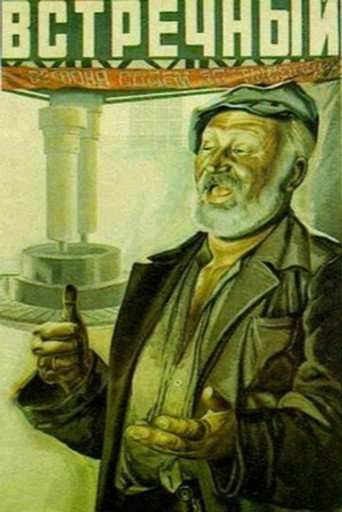
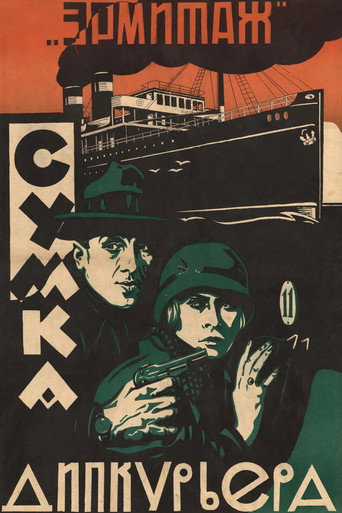
The Soviet embassy in England sends two couriers with diplomatic mail to Leningrad. The inspector of security police, White, and a group of policemen attack the Soviet diplomatic couriers at night. The documents get to an English trackman, who gives them to his son, a sailor in Portsmouth.
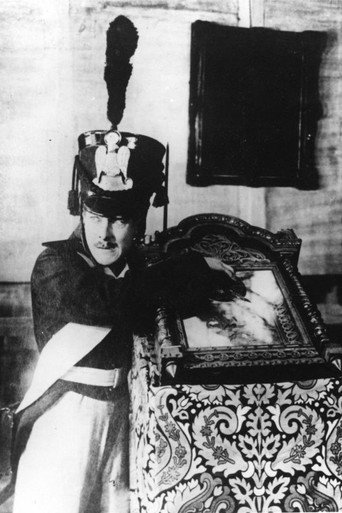
The young serf Eremey Mizgir is surrendered as a soldier by his mistress for his mischievous tricks. Mizgir ends up in St. Petersburg in the guards regiment. Resourceful, quick-witted, cheerful, he easily copes with his official duties and, although he often gets punished by the sergeant-major for his pranks, he never loses heart. But then sad news came from the village: the old people’s cow had died, and Eremey’s bride Dunya was being relentlessly pursued by the clerk. The soldier felt sad. Standing on guard at the rich, diamond-studded icon of the Kazan Mother of God and thinking about how to help the elderly and the bride, Mizgir decides to take a desperate step. He breaks the glass of the icon and picks out a large gemstone from the aureole of the Mother of God. When the loss is discovered, Mizgir, without blinking an eye, announces that the Mother of God herself gave him the stone.
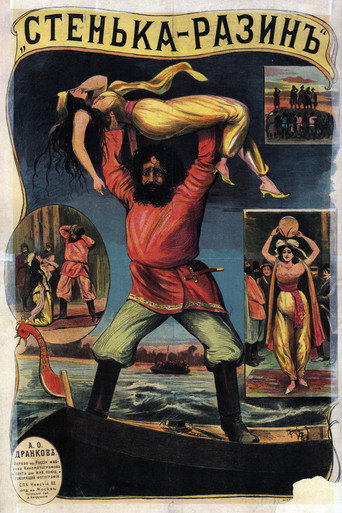
Stenka Razin is the leader of a group of outlaws who live a life of revelry and carousing along the Volga River and in the nearby forests. When Razin becomes distracted by a captured foreign princess and starts to dote on her, his men are displeased, feeling that he is neglecting them and their usual activities. Soon they come up with a plot, in the hopes of turning Razin against the princess.
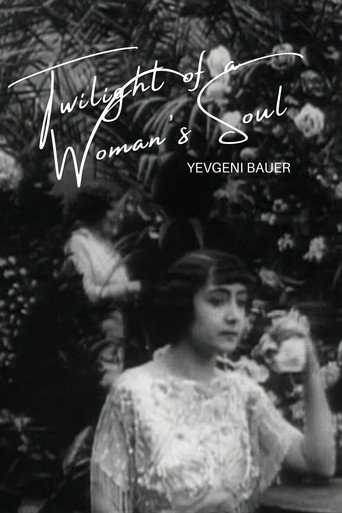
Lyrical drama in 5 parts, with participants. N.A. Chernova and Oleg Frelich. Some strange and heavy fate pursued a family of princes Belopolsky. The last in the Belopolsky family, Prince Sergei, was a beautiful but strange young man. He was not fond of entertainment, friends or women. His only passion was flowers; among strange exotic plants he spent his days and nights in the company of the Dutch gardener Hans.
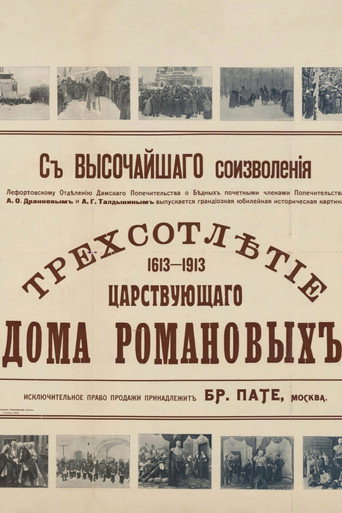
This large historical production was staged simultaneously with A. Khanzhonkov's painting "The Accession of the House of Romanov", but it was carried out on a larger scale; It ends with documentary footage of the coronation of Nicholas II.
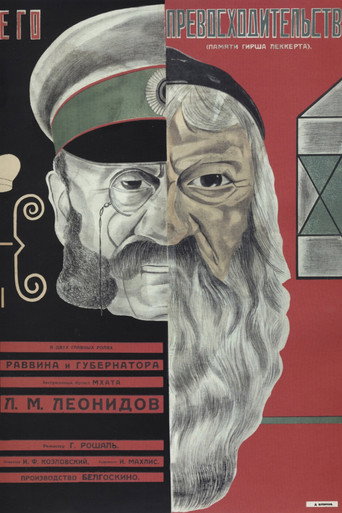
This 1928 film features stylized cinematography and actors from the Moscow Art Theater in a fiction story based on the life of Jewish Labor Bund member Hirsch Lekert who attempted to assassinate the Vilna governor in 1902 to avenge the flogging of workers who participated in a May Day rally.