Nikolaus Geyrhalter Movies, TV Shows, and Filmography
Nikolaus Geyrhalter
Production
Biography
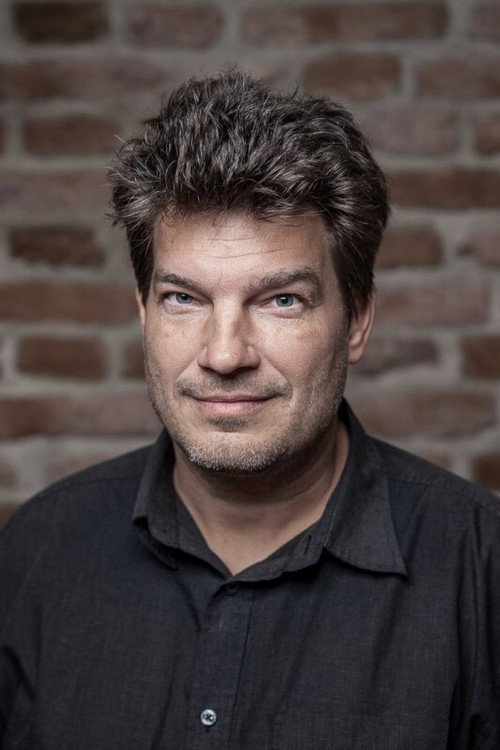
Nikolaus Geyrhalter is a director, producer and cameraman, born in Vienna in 1972. In 1994, when he was 22 years old, he founded his own production company Nikolaus Geyrhalter Filmproduktion which focuses on documentaries and amateur fiction.
Filmography Movies

Production
Our Daily Bread
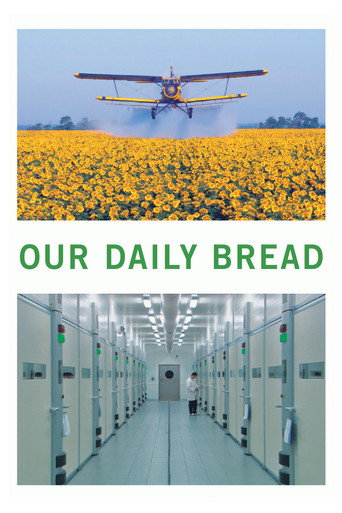
Welcome to the world of industrial food production and high-tech farming! To the rhythm of conveyor belts and immense machines, the film looks without commenting into the places where food is produced in Europe: monumental spaces, surreal landscapes and bizarre sounds - a cool, industrial environment which leaves little space for individualism.
Our Daily Bread
Welcome to the world of industrial food production and high-tech farming! To the rhythm of conveyor belts and immense machines, the film looks without commenting into the places where food is produced in Europe: monumental spaces, surreal landscapes and bizarre sounds - a cool, industrial environment which leaves little space for individualism.
Our Daily Bread
Welcome to the world of industrial food production and high-tech farming! To the rhythm of conveyor belts and immense machines, the film looks without commenting into the places where food is produced in Europe: monumental spaces, surreal landscapes and bizarre sounds - a cool, industrial environment which leaves little space for individualism.
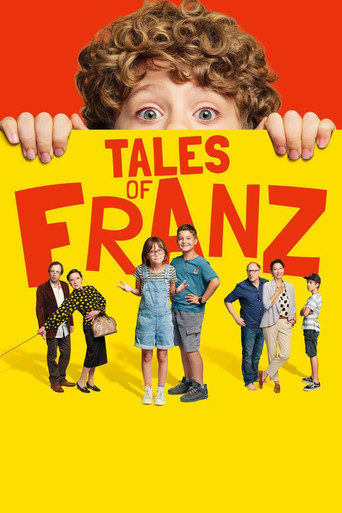
Tales of Franz
Franz is by far the smallest in the class, has blond ringlets and gets a high-pitched squeaky voice when he gets upset. Luckily, two best friends help: Gabi and Eberhard. When Franz discovers Hank Haberer's "10 rules for a real man" for himself one day, turbulence is inevitable and the friendship of the three gets into trouble.
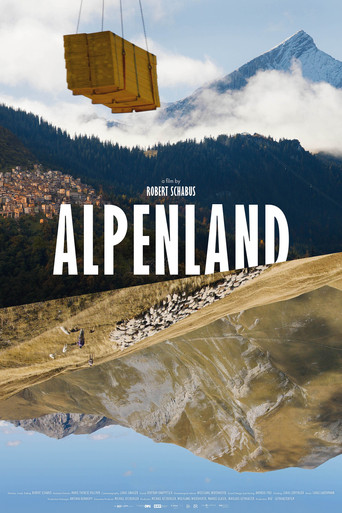
Alpenland
The Alps, unique and meanwhile also endangered, are stretching across eight European countries. Rural exodus on the one hand and overtourism on the other often exist close together. And above all hovers the inevitable threat of climate change.
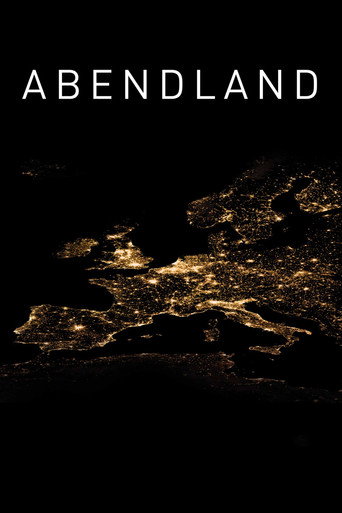
Abendland
Some things can be seen more clearly at night.. . A film poem about a continent at night, a culture on which the sun’s going down, though it’s hyper alert at the same time, an “Abendland” that, often somewhat self-obsessively, sees itself as the crown of human civilization, while its service economy is undergoing rapid growth in a thoroughly pragmatic way. Nikolaus Geyrhalter takes a look at a paradise with a quite diverse understanding of protection. Night work juxtaposed with oblivious evening digression, birth and death, questions that await answers in the semi-darkness, a Babel of languages, the routine of the daily news, and political negotiation: All this has been captured in images with a wealth of details that make us look at things in a new way. The longer you consider a word, the more distant is its return gaze: ABENDLAND.
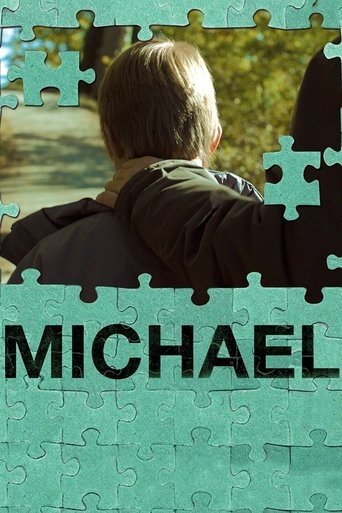
Michael
Although to the outside world he seems like a perfectly normal insurance broker, Michael secretly keeps a 10-year-old boy locked in a room in his soundproof basement.
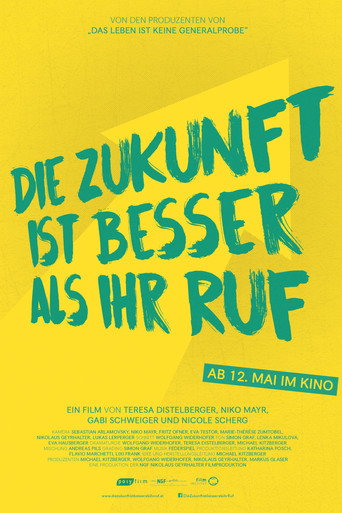
Die Zukunft ist besser als ihr Ruf
A film about people who make a difference. They are committed to a lively political culture, to sustainable solutions in food and construction, to clarity in thinking about the economy, and to social justice.
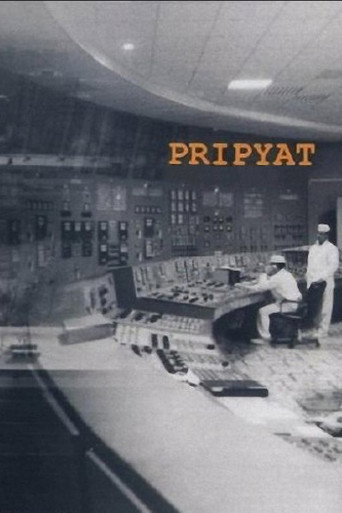
Pripyat
After the catastrophe in 1986, a 30-km restricted zone was erected around the Chernobyl nuclear power plant, and 116,000 persons were evacuated from this area. Pripyat is a portrait of the people who still live and work there, and of those who have moved back. What is life like for these people, a life with the invisible and incomprehensible danger of radioactivity? How do they deal with the aftereffects of an accident which is claimed to be statistically improbable? Four protagonists tell their stories and provide a look at everyday life in “their“ zone.
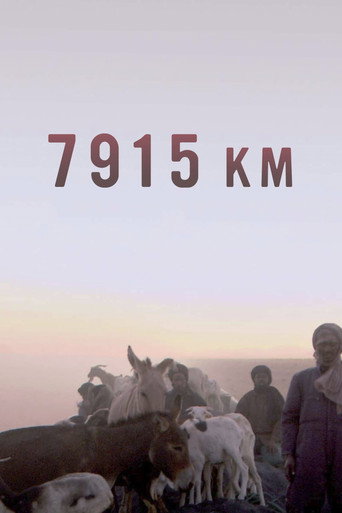
7915 Km
A motor-sports spectacle that kicks up plenty of dust. On the trail of the 2007 Dakar Rallye ‘7915 KM’ undertakes a search, along the way encountering the variety to be found in Africa’s present in Morocco, Sahrawi Republic, Mauritania, Mali and Senegal. ‘7915 KM’ demonstrates the extent of this distance, which is the result of political and economic conditions, and also the ideas and prejudices to be found in both Europe and Africa. It also makes the closeness tangible, which becomes clear in the stories of everyday life, work, hopes and worries. Keeping the sobering reality in mind, it creates an homage to humanity and slowness which questions deep-seated perceptions and the role of Europeans in numerous, presumably African, problems.
Gallery