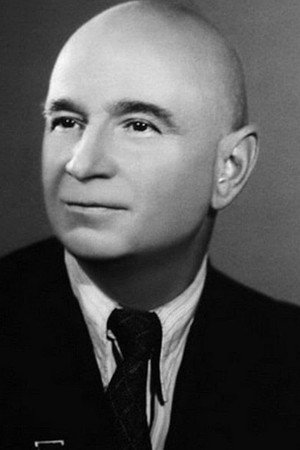
Nikolai Plotnikov Movies, TV Shows, and Filmography
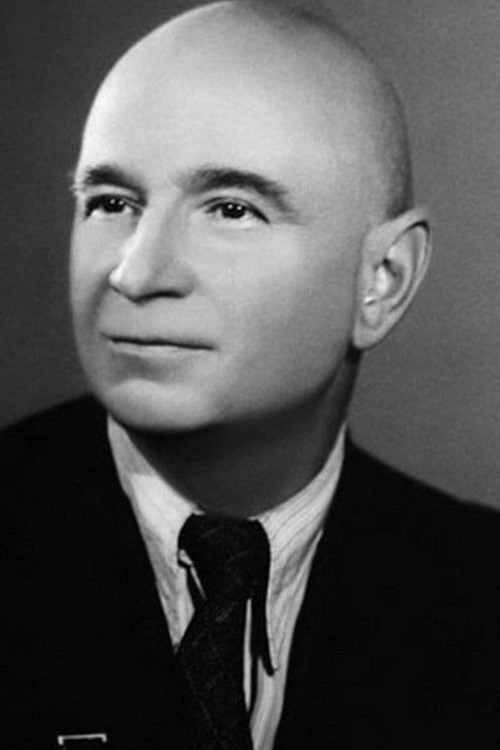
Nikolai Plotnikov
Acting
Biography
No biography available.
Filmography Movies
Acting
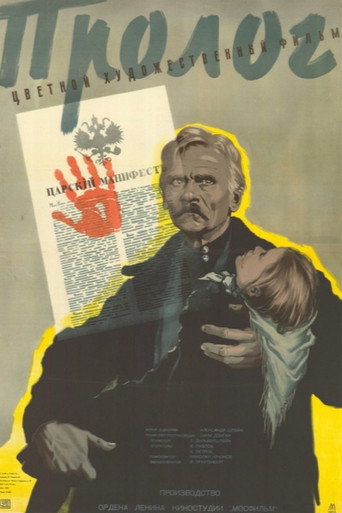
Prolog
After the brutal massacre of a peaceful demonstration of the working people on their way to the Tsar, Lenin and other Party members in exile call for an armed uprising of the workers. At Presnya build barricades. The people are arming themselves. But the heroic armed uprising of the workers of Presnya is brutally suppressed by the tsarist troops. However, the struggle of the workers under the leadership of Lenin continued.
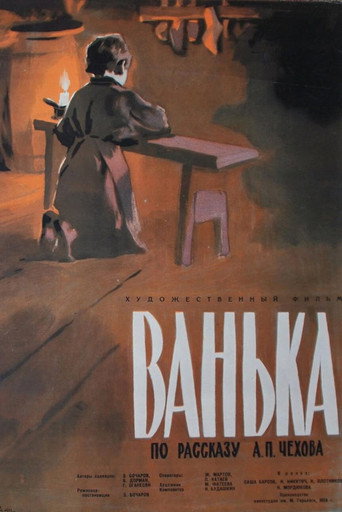
Vanka
9-year-old boy complains about his hard life in a letter to his grandfather.
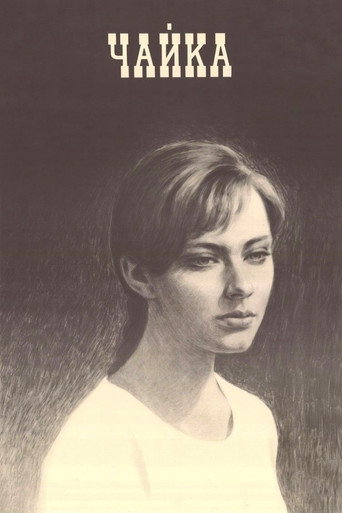
The Seagull
Events unfold on the estate of Pyotr Sorin, which brought together representatives of secular society - actress Irina Arkadina, the host's sister and her lover, the famous writer Trigorin. Sorin’s nephew, Konstantin Treplev, in love with a neighbor girl Nina Zarechnaya, who dreams of becoming an actress, writes for her a play that she plays in the scenery of Sorin’s garden.
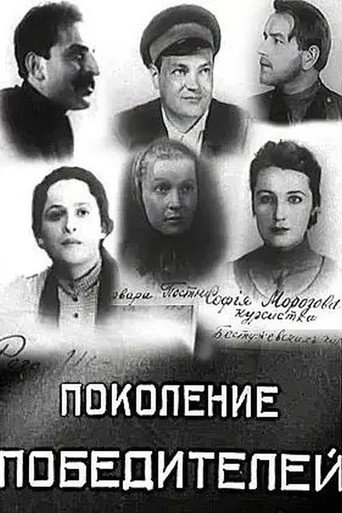
Generation of Victors
The film covers the events of 1896-1905 - from the first revolutionary gatherings to the armed Moscow uprising of workers at Krasnaya Presnya, later called Bloody Sunday. St. Petersburg students Alexander Mikhailov and Yevgeny Svetlov and a peasant girl Varvara Postnikova arrive in Moscow and follow the complicated path of underground revolutionaries.
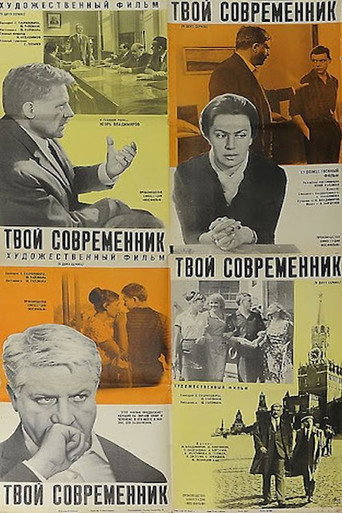
Your Contemporary
Vasily Gubanov, the son of the film “The Communist”’s hero, arrived in Moscow not on call or for a business trip. Instead, he came to raise the issue with government authorities about halting the construction of a chemical plant. Despite being the author of the project, which was in full swing, millions of state funds had been spent, and thousands of people’s lives were tied to its completion.
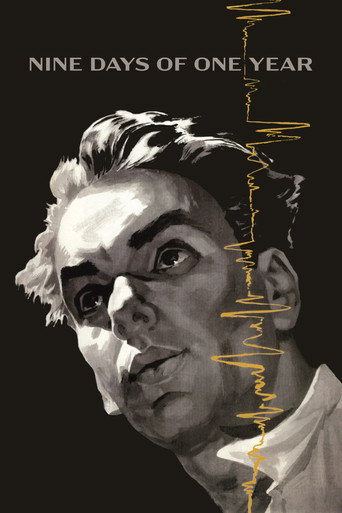
Nine Days of One Year
Set in the Soviet scientific community, Nine Days of One Year follows two dedicated physicists whose close friendship unfolds amid dangerous nuclear research, shaped by their shared affection for a strong-willed woman. As radiation exposure, scientific ambition, and personal relationships intersect, the film offers a thoughtful, human portrait of scientists confronting the risks of progress and the choices that define their lives.
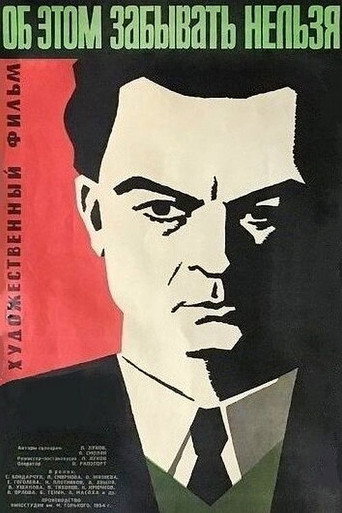
It Can Not Be Forgotten
The story unfolds in a post-war town in Western Ukraine. The enemy agents are trying to subvert communist writer Aleksandr Garmash using ideological diversions. In parallel, a story is told about student Rostislav Danchenko who is being recruited by enemy agents. The story is pertinent due to resurgence of ultra-nationalist underground activity in Western Ukraine after World War II.
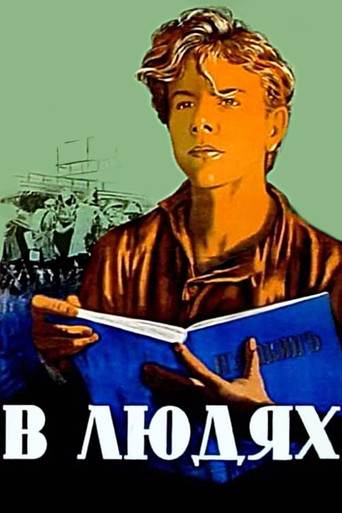
My Apprenticeship
Second entry in Ukrainian director Mark Donskoy's "Maxim Gorki" trilogy. Picking up where 1938's My Childhood left off, the story covers the years in Gorki's life when the future writer (Alexei Lyarsky) was on his own, looking for a purpose and place in life.
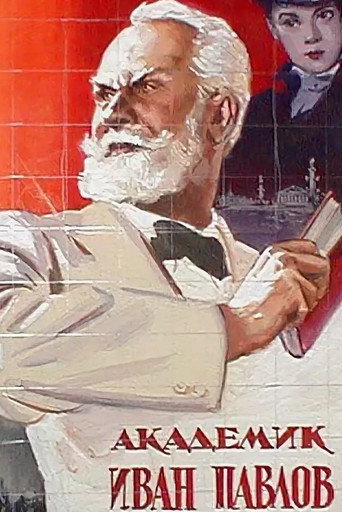
Ivan Pavlov
Russia, 1875: In Riazan’, Dr Pavlov is summoned to a landowner who refuses to accept the inevitability of his death; to Pavlov’s dismay, he orders the destruction of a beautiful apple orchard. 1894: Experimenting on dogs, Pavlov tries to comprehend the interaction between nerves and external signals governing digestion. In 1904, he formulates the principles of conditional reflexes. When Zvantsev, an opponent of Pavlov’s materialist worldview, leaves the laboratory, the scientist hires Varvara Ivanova who becomes his most reliable assistant. 1912: Pavlov receives an honorary doctorate from Cambridge University. 1917: Despite Pavlov’s political scepticism, the Bolshevik administration treats him with great respect.
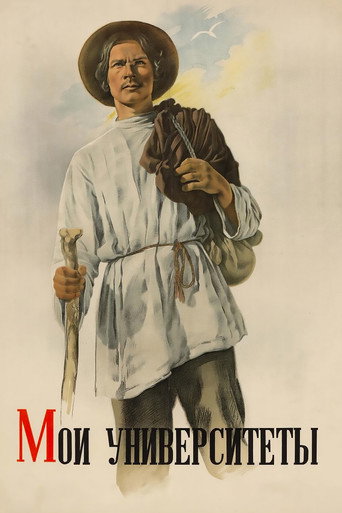
My Universities
My Universities (Moi universiteti) is the last installment of Russian director Mark Donskoy's "Maxim Gorki" trilogy. Having endured a painful youth in My Childhood and a torturous sojourn as a serf in My Apprenticeship, future writer Gorki reaches maturity with an insatiable desire for personal and artistic freedom. The "university" of the title is actual the school of Hard Knocks, as Gorky goes to work in the shipyards and commisserates with the hard-drinking, philosophical dockworkers.
Gallery