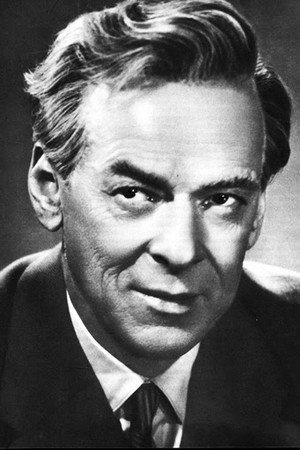
Nikolai Cherkasov Movies, TV Shows, and Filmography
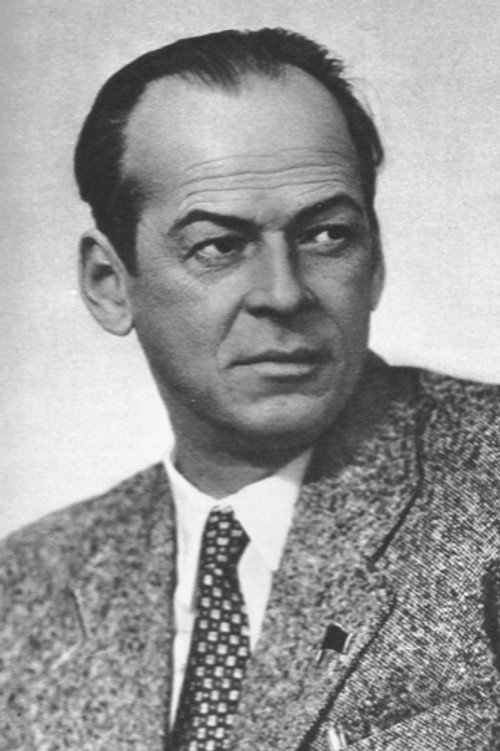
Nikolai Cherkasov
Acting
Biography
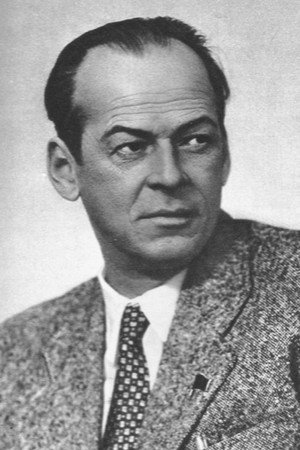
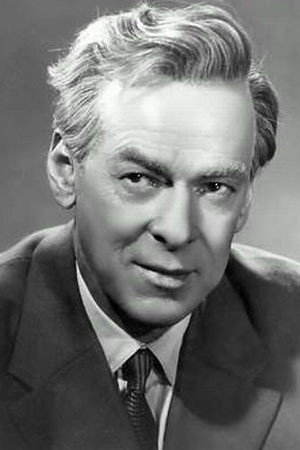
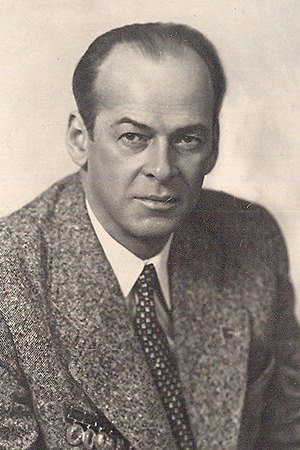
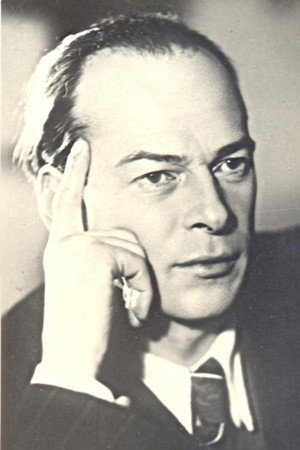
An outstanding Soviet theater and film actor. Honored Artist of the RSFSR (1937). People's Artist of the RSFSR (03/11/1939). People's Artist of the USSR (02.26.1947). He graduated from the Institute of Performing Arts (1926). Since 1919 - a mimic artist of the Petrograd Mariinsky Opera and Ballet Theater, the Bolshoi Drama Theater and other theaters. In the years 1926-1929 - actor of the Leningrad Youth Theater. In 1929-1931 - artist of the Leningrad and Moscow music halls. In the years 1931-1933 - artist of the Leningrad Mobile Theater "Comedy". In 1933-1965 - artist of the Leningrad Academic Drama Theater named after Pushkin. Nikolai Cherkasov is the only actor whose face is imprinted on the order. Stalin personally chose and approved the portrait of Cherkasov for one of the highest state awards - the Soviet Order of Alexander Nevsky. Member of the Supreme Council of the RSFSR 1-2 convocations. Member of the Supreme Soviet of the USSR 3-4 convocations (1950-1958). Chairman of the Leningrad branch of the WTO (since 1948). Member of the Soviet Peace Committee (since 1949). Member of the CPSU (b) since 1940. September 14, Nikolai Konstantinovich died at the 64th year of life. When the great actor passed away, one of his students said that he died not from heart failure, but from insufficient heartiness... The actor was buried in the Necropolis of Artists of the Alexander Nevsky Lavra in Leningrad. July 27, 1970 the name of Cherkasov was assigned to one of the streets in Leningrad.
Filmography Movies
Acting
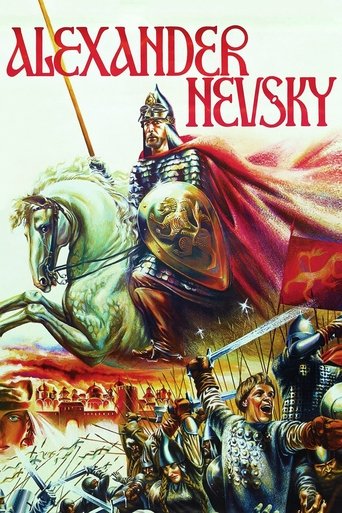
Alexander Nevsky
When German knights invade Russia, Prince Alexander Nevsky must rally his people to resist the formidable force. After the Teutonic soldiers take over an eastern Russian city, Alexander stages his stand at Novgorod, where a major battle is fought on the ice of frozen Lake Chudskoe. While Alexander leads his outnumbered troops, two of their number, Vasili and Gavrilo, begin a contest of bravery to win the hand of a local maiden.
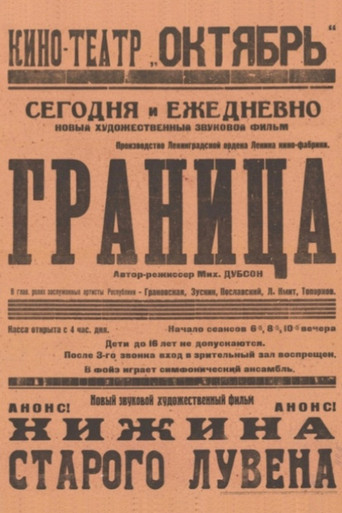
Frontier
The residents of the village of Staroje Dudino, located four kilometers west of the Soviet border, are completely dependent on the wealthy Novik, whose interests are protected by the local police and clergy. Novik is actively stirring up ethnic strife between the Jewish poor and Polish workers. During the traditional "black crown" ceremony (a wedding ceremony for an old man and an old woman), a group of factory workers led by the communist Haidul, together with the Jewish poor, attack the police and free Boris Bernstein, who had been sentenced to death.
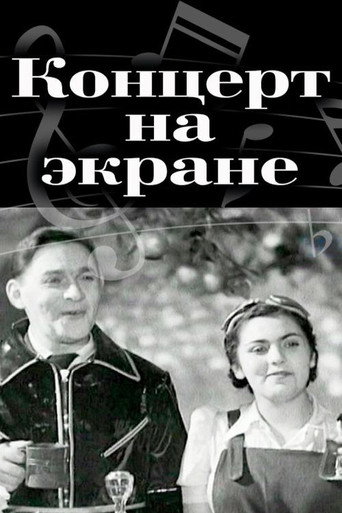
Concert on the Screen
Film-Concert. The program includes scenes from plays, ballets, and operas; folk songs and romances; B. Eder with a group of trained lions; S. Obraztsov's puppet theater; and dances by soloists of the I. Moiseyev Ensemble. The host is Nikolai Cherkasov.
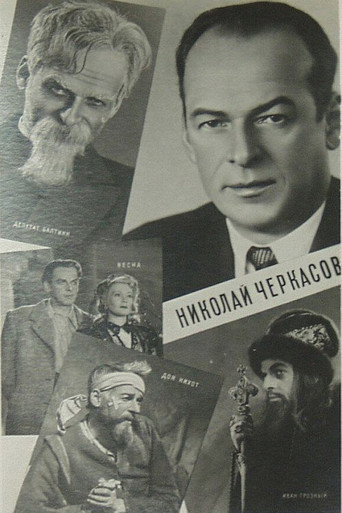
Актёр Николай Черкасов
About the creative career of People's Artist of the USSR N.K. Cherkasov. The film uses footage from movies of the 1920s and 1930s.
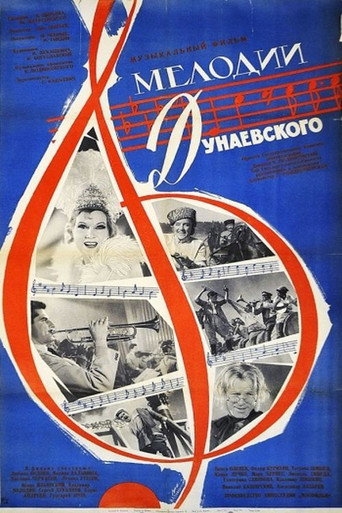
Мелодии Дунаевского
The film uses fragments of feature films and materials of the Gosfilmofond of the Russian Federation. In addition to the actors listed above, the following actors tell about the composer: directors Grigory Alexandrov and Ivan Pyriev, songwriters Mikhail Matusovsky and Vasily Lebedev-Kumach.
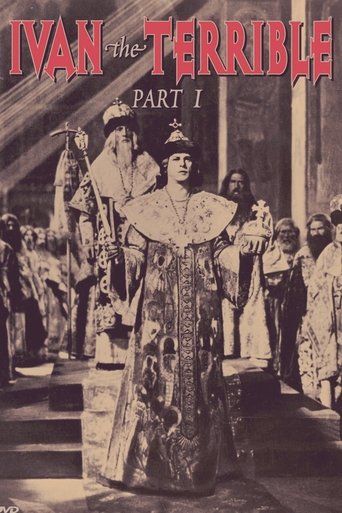
Ivan the Terrible, Part I
Set during the early part of his reign, Ivan faces betrayal from the aristocracy and even his closest friends as he seeks to unite the Russian people. Sergei Eisenstein's final film, this is the first part of a three-part biopic of Tsar Ivan IV of Russia, which was never completed due to the producer's dissatisfaction with Eisenstein's attempts to use forbidden experimental filming techniques and excessive cost overruns. The second part was completed but not released for a decade after Eisenstein's death and a change of heart in the USSR government toward his work; the third part was only in its earliest stage of filming when shooting was stopped altogether.
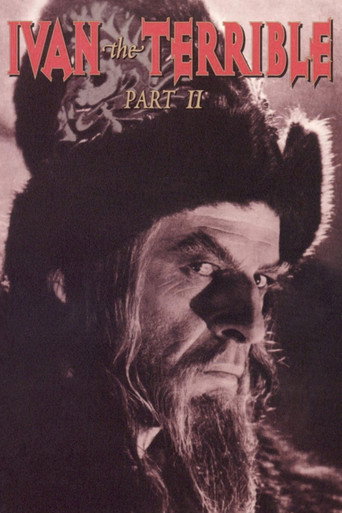
Ivan the Terrible, Part II: The Boyars' Plot
This is the second part of a projected three-part epic biopic of Russian Czar Ivan Grozny, undertaken by Soviet film-maker Sergei Eisenstein at the behest of Josef Stalin. Production of the epic was stopped before the third part could be filmed, due to producer dissatisfaction with Eisenstein's introducing forbidden experimental filming techniques into the material, more evident in this part than the first part. As it was, this second part was banned from showings until after the deaths of both Eisenstein and Stalin, and a change of attitude by the subsequent heads of the Soviet government. In this part, as Ivan the Terrible attempts to consolidate his power by establishing a personal army, his political rivals, the Russian boyars, plot to assassinate him.
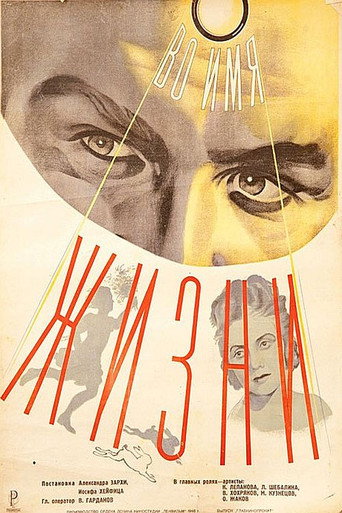
In the Name of Life
Three friends, three young surgeons, returning from war, begin working on a complex medical problem. Their hard work does not yield the desired results, and two of them lose faith in success...
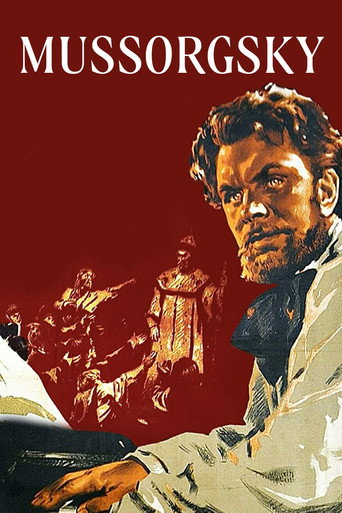
Mussorgsky
Saint Petersburg, 1858. A group of composers known as The Five meet at Balakirev's. Young Modest Mussorgsky, both a civil servant and a musician, has become a fixture there. He tells about the first opera he plans to compose. Then he goes to the country where he discovers the lowly conditions of the peasants and the bloody conflicts with the rich land owners. He works on Gogol's 'The Marriage', trying to render into music the natural accents of the play's naturalistic dialogue. But his efforts do not pan out. On the other hand, he starts writing his opera on the story of Boris Godunov. The Marinsky Theatre refuses to stage the work. The Five, and Mussorgsky among them, are libeled and the group starts disintegrating. When 'Boris Godunov' is finally performed in 1874, it is a popular success.
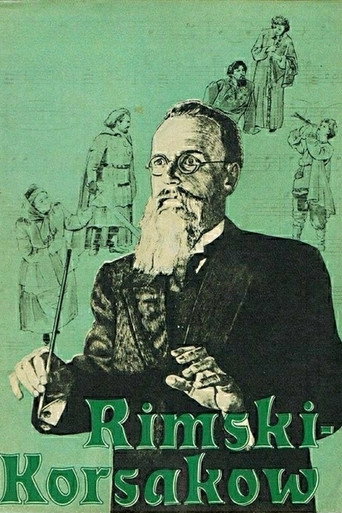
Rimsky-Korsakov
Biographical film about the composer Rimskiy-Korsakov. Belongs to the gallery of costume historical and biographical films of the postwar cinema of the Soviet Union. The film tells about the last two decades in the life of Russian composer.
Gallery