Nicoletta Braschi Movies, TV Shows, and Filmography

Nicoletta Braschi
Acting
Biography
From Wikipedia, the free encyclopedia. Nicoletta Braschi (born April 14, 1960) is an Italian actress and producer, best known for her work with her husband, actor and director Roberto Benigni. Born in Cesena, Braschi studied in Rome's Academy of Dramatic Arts where she first met Benigni in 1980. Her first film was with Benigni in 1983, the comedy Tu Mi Turbi ("You Upset Me"). She later appeared in two Jim Jarmusch films, Down by Law and Mystery Train. Braschi's two most successful collaborations with her husband have been Johnny Stecchino (1992) and La Vita è Bella (Life is Beautiful) (1997). The first, an Italian comedy that cast the actress as the girlfriend of a mobster (Benigni), was a huge hit in Italy; while the second, in which Braschi played the wife of an Italian Jew (Benigni) imprisoned in a concentration camp, was a widely-praised success that launched both Braschi and her husband into the international spotlight. She was nominated for a Screen Actors Guild award as a cast member of Life is Beautiful. She is also a David di Donatello award winner (Italy's equivalent of the Oscars). In 2002, she was a member of the jury at the Berlin Film Festival. In 2010 she has returned to theatre starring in "Tradimenti". Description above from the Wikipedia article Nicoletta Braschi, licensed under CC-BY-SA, full list of contributors on Wikipedia
Filmography Movies
Acting
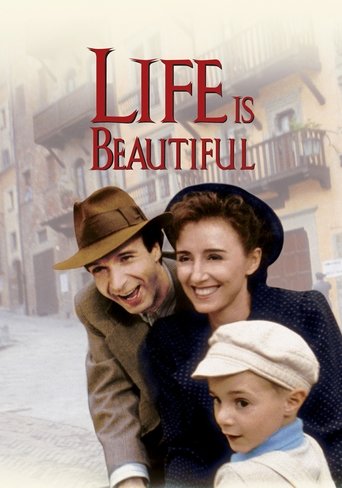
Life Is Beautiful
A touching story of an Italian book seller of Jewish ancestry who lives in his own little fairy tale. His creative and happy life would come to an abrupt halt when his entire family is deported to a concentration camp during World War II. While locked up he tries to convince his son that the whole thing is just a game.
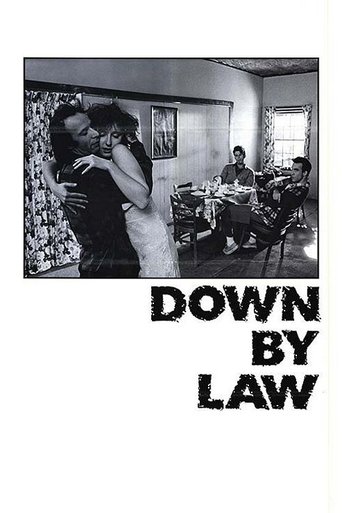
Down by Law
A disc jockey, a pimp and an Italian tourist escape from jail in New Orleans.
Pinocchio
Roberto Benigni adapts the classic children's tale by Carlo Collodi for the big-budget family-oriented comedy Pinocchio.

The Tiger and the Snow
Love and injury in time of war. Attilio de Giovanni teaches poetry in Italy. He has a romantic soul, and women love him. But he is in love with Vittoria, and the love is unrequited. Every night he dreams of marrying her, in his boxer shorts and t-shirt, as Tom Waits sings. Vittoria travels to Iraq with her friend, Fuad, a poet; they are there with the second Gulf War breaks out. Vittoria is injured. Attilio must get to her side, and then, as war rages around him, he must find her the medical care she needs. In war, does love conquer all?

The Monster
A vicious serial sex killer is on the loose, and landscape gardener and shop-window outfitter Loris is the prime suspect, thanks to his unfortunate habit of getting caught in compromising situations (for which there is always a totally innocent explanation that the police fail to spot). Undercover policewoman Jessica is assigned by eccentric police psychologist Taccone to follow Loris.
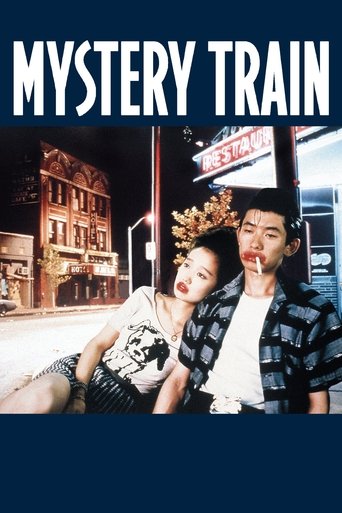
Mystery Train
In Memphis, Tennessee, over the course of a single night, the Arcade Hotel, run by an eccentric night clerk and a clueless bellboy, is visited by a young Japanese couple traveling in search of the roots of rock; an Italian woman in mourning who stumbles upon a fleeing charlatan girl; and a comical trio of accidental thieves looking for a place to hide.
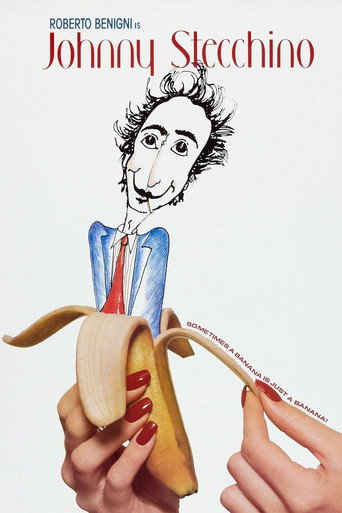
Johnny Stecchino
Good hearted but not very wordly-wise, Dante is happy driving the school bus for a group of mentally handicapped children, while feeling he is somehow missing out on life and love. So he is very excited when after nearly being knocked down by her car he meets Maria, who seems immediately enamoured of him. He is soon invited to her sumptuous Palermo villa, little suspecting that this is part of a plot. He bears an amazing likeness to Maria's stool-pigeon gangster husband and it would be convenient for them if the mobster, in the shape of Dante, was seen to be dead and buried.

I Like to Work – Mobbing
A woman comes across the difficulties of modern work: to force her to resign from her job, her firm tries all the humiliation techniques known as "mobbing". The film is based upon real cases reported by Italian unions.
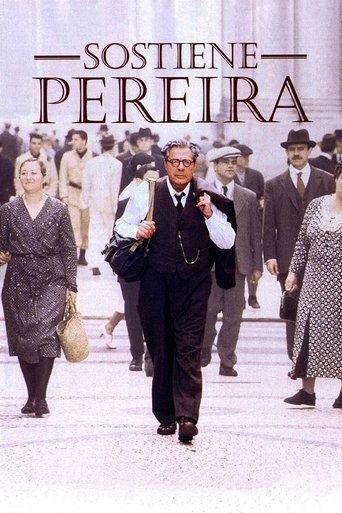
Pereira Declares
Lisbon, 1938. Mr. Pereira is the editor of the culture section of an evening paper. Although fascism is on the rise in Europe, like in nearby civil war Spain or even inside Portugal itself in the form of Salazar's regime, Pereira only concerns himself with writing bios and translating French novels. Things change after he hires a young writer as his assistant, getting to know also his girlfriend – both opponents to the regime – and reluctantly helps them when they begin to get in trouble for subversive activities. Eventually, he's forced to take a stand...
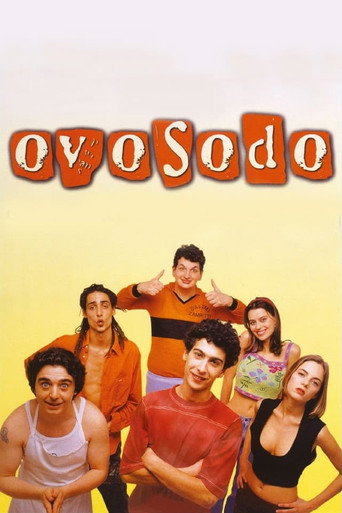
Ovosodo
From childhood to fatherhood, Piero learns things the hard way while growing up in a working-class neighborhood of Livorno.
Production
The Tiger and the Snow
Love and injury in time of war. Attilio de Giovanni teaches poetry in Italy. He has a romantic soul, and women love him. But he is in love with Vittoria, and the love is unrequited. Every night he dreams of marrying her, in his boxer shorts and t-shirt, as Tom Waits sings. Vittoria travels to Iraq with her friend, Fuad, a poet; they are there with the second Gulf War breaks out. Vittoria is injured. Attilio must get to her side, and then, as war rages around him, he must find her the medical care she needs. In war, does love conquer all?
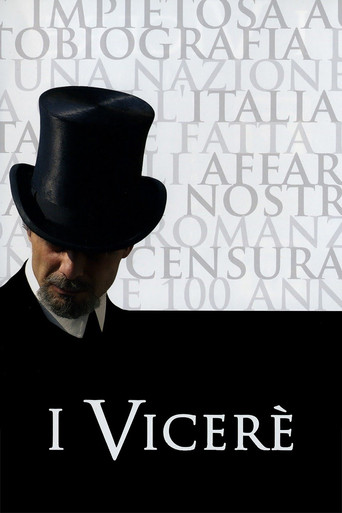
I Vicerè
In late 19th-century Sicily, the noble Uzeda family—whose lineage dates back to the ancient viceroys that ruled those lands—fights to preserve its waning power in the face of the newly unified Italian regime.
Pinocchio
Roberto Benigni adapts the classic children's tale by Carlo Collodi for the big-budget family-oriented comedy Pinocchio.
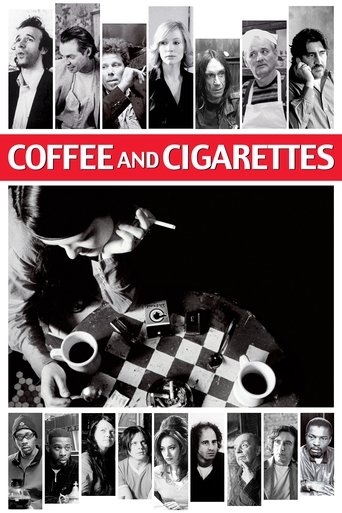
Coffee and Cigarettes
An anthology of eleven vignettes featuring star-studded casts of extremely unique individuals who all share the common activities of conversing while drinking coffee and smoking cigarettes.
Gallery