Nicole Croisille Movies, TV Shows, and Filmography

Nicole Croisille
Acting
Biography
Nicole Croisille (9 October 1936 – 4 June 2025) was a French singer and actress. She appeared in 24 films between 1961 and 2005, and recorded several albums since 1961. Perhaps her most heard work is on the soundtrack of 1966 film, A Man and a Woman (Un Homme et Une Femme). She sang one solo, "Today It's You," and dueted with Pierre Barouh on several other numbers. Croisille attempted to represent France in the Eurovision Song Contest 1974 with the songs "Tu m'avais dit" and "Je t'aime un point c'est tout", but Dani was selected instead, although she did not participate due to Georges Pompidou's death being on the week in the contest. Her best-known records are "I'll Never Leave You"; "Téléphone-Moi"; "Une Femme avec Toi"; "J'ai besoin de Toi, J'ai besoin de Lui"; and "Parlez-moi de Lui". Her single, "Woman in Your Arms", peaked at number 71 in Australia in May 1976. She lived with Ménière's disease. Source: Article "Nicole Croisille" from Wikipedia in English, licensed under CC-BY-SA.
Filmography Movies
Acting
Villa mon rêve
Because they could no longer stand the xenophobic comments and behavior of their neighbors, Véronique and Sylvain Marchand, parents of a little girl and members of the Stop Racism organization, went into exile in a quiet suburban town, where they bought a house, the villa "Mon rêve". Soon after, the Dialo family, friendly Africans, moved into the adjoining house. At first, the two families get along perfectly. The only problem was that the Dialos organized many parties, which often ended late at night. The patience and understanding of the Marchands only delay the inevitable conflict.
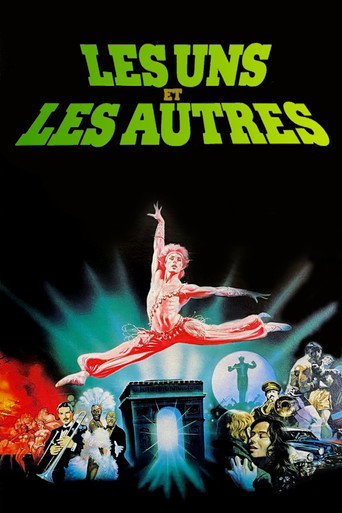
Bolero
The film follows four families, with different nationalities (French, German, Russian and American) but with the same passion for music, from the 1930s to the 1960s. The various story lines cross each other time and again in different places and times, with their own theme scores that evolve as time passes. The main event in the film is the Second World War, which throws the stories of the four musical families together and mixes their fates. Although all characters are fictional, many of them are loosely based on historical musical icons (Édith Piaf, Josephine Baker, Herbert von Karajan, Glenn Miller, Rudolf Nureyev, etc.) The Boléro dance sequence at the end brings all the threads together.
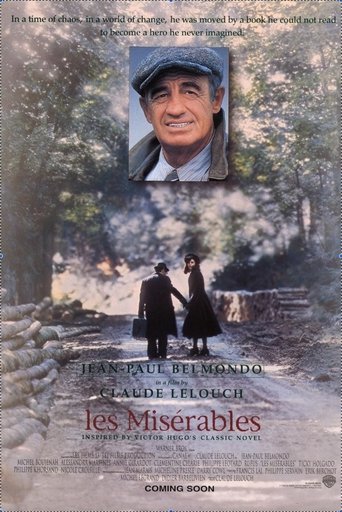
Les Miserables
In WWII France, poor and illiterate Henri Fortin is introduced to Victor Hugo's classic novel Les Misérables and begins to see parallels between the book and his own life.

N'écoutez pas mesdames
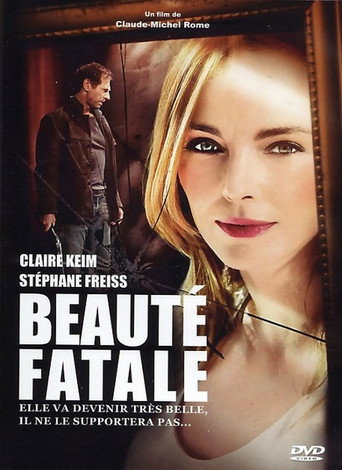
The Two-Sided Mirror
Alice is a happily married woman with Christophe, who loves her deeply despite suffering facial deformation. His life changes dramatically following a cosmetic operation, but also that of her husband, a man becomes extremely jealous and possessive.

The Gilded Cage
In the beautiful area of Paris, Maria and José Ribeiro lived for almost thirty years on the ground floor of a Haussmann building, in their dear little lodge.
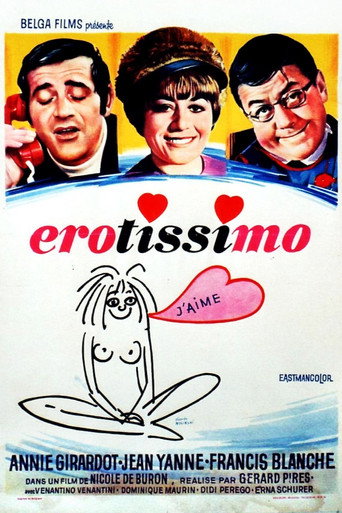
Erotissimo
Annie is a middle-age wife, still sexy and pampered by her husband, Phillippe, who is the owner and general manager of a dynamic company. Under the deluge of sexy Swedish movies, sexy advertising on the streets, sexy intimate clothing in ladies' shops, and even talks about sex and marital infidelity with her mother and female friends, Annie starts feeling left aside by her husband, and trying to attract in a number of ways - and failing. It's not the all-purpose secretary at the office that is keeping him late, it's a tax expert that, asking the most innocent questions, is finding out how Philippe can manage a company without profits, and still manage a home, may be two... with high quality levels.
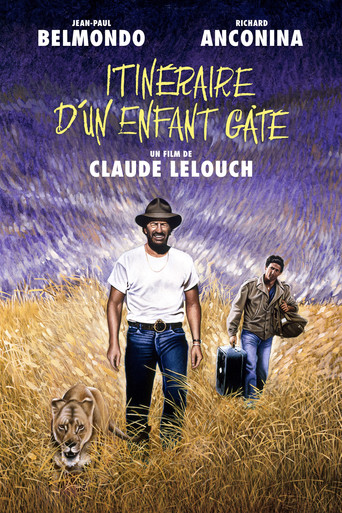
Itinerary of a Spoiled Child
A foundling, raised in the circus, Sam Lion becomes a businessman after a trapeze accident. However, when he reaches fifty and becomes tired of his responsibilities and of his son Jean-Philippe, he decides to disappear at sea. However, he runs into Albert Duvivier, one of his former employees. He comes to realise that he has ignored the important things in his life.
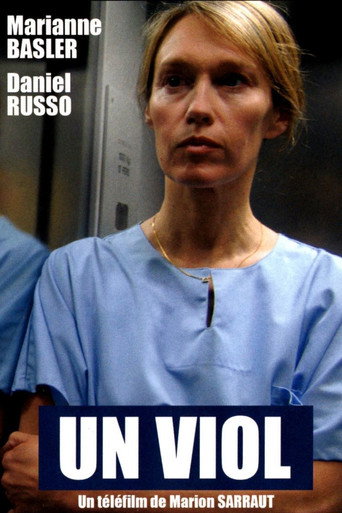
Un viol
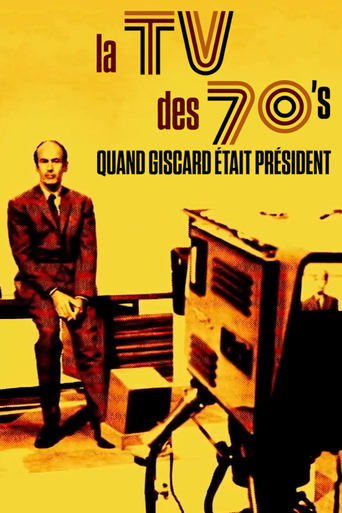
La TV des 70's : Quand Giscard était président
In May 1974, Valéry Giscard d'Estaing became President of the Republic and wanted to bring about a new era of modernity. One of his first decisions was to break up the ORTF with the creation of three new television channels: TF1, Antenne 2 and FR3. Three new public channels but autonomous and competing. It is a race for the audience which is engaged then, and from now on the channels will make the war! This competition will give birth to a real golden age for television programs, with variety shows in the forefront. The stars of the song are going to invade the living rooms of the French for their biggest pleasure. This unedited documentary tells the story of the metamorphosis of this television of the early 1970s, between freedom of tone, scandals, political intrigues and programs that have become mythical.
Production

Daisy Town
When the members of a caravan of pioneers find a daisy growing in the middle of the desert they decide to stop there and to build their town on this very spot. Houses soon spring up like mushrooms, immediately followed by a bank, a saloon, a prison, etc. Daisy Town is born. Unfortunately a city does not go without its bad boys and the peaceful place is soon turned into a lawless place. To restore law and order, a lawman is needed. Lucky Luke, the cowboy who shoots faster than his shadow, will be this man: all the villains had better watch out!
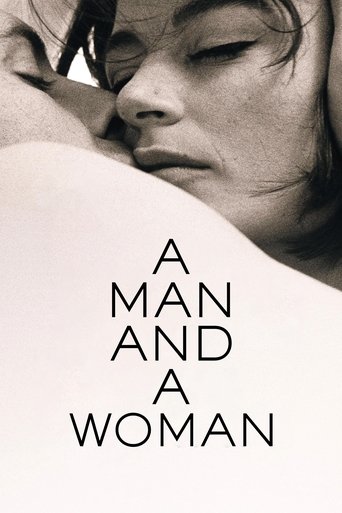
A Man and a Woman
A man and a woman meet by accident on a Sunday evening at their childrens' boarding school. Slowly, they reveal themselves to each other, finding that they have something deeply in common.
Gallery