Nicolas Philibert Movies, TV Shows, and Filmography
Nicolas Philibert
Directing
Biography
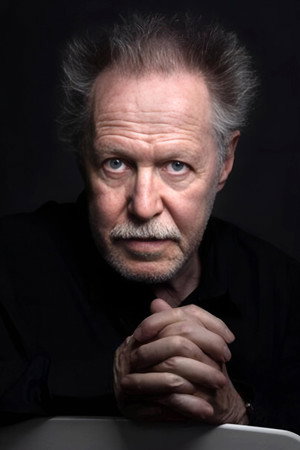
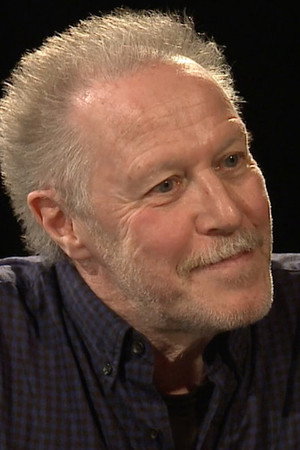
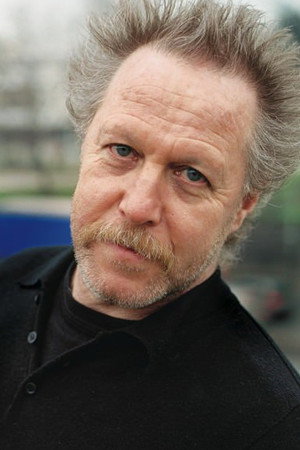
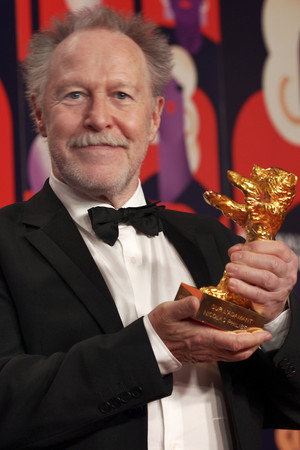
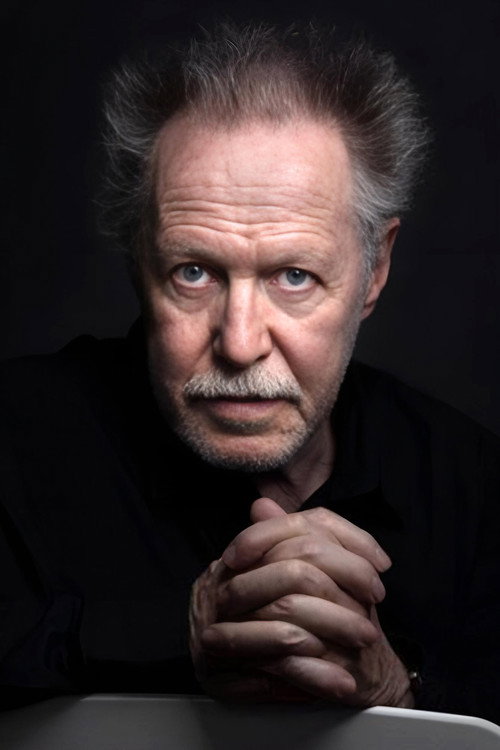
Nicolas Philibert (French: [filibɛʁ]; born 10 January 1951) is a French documentary filmmaker. He has directed films since 1978. At the 73rd Berlinale (2023), he receives the Golden Bear for his film "On the Adamant". Philibert's father was a film lecturer and he attended his talks in his youth. This encouraged him to embark on a film career. He started this with René Allio (1970), as a trainee on Les Camisards as an assistant on Rude Journée pour la reine (1973) and assistant-director on Moi, Pierre Rivière, ayant égorgé ma mère, ma sœur et mon frère... (1975). In 1978 he co-directed with Gérard Mordillat a feature documentary His Master's Voice, in which a dozen bosses of big industrial groups discuss power, leadership, hierarchies and the role of unions. Between 1985 and 1987, he made several films about mountains and adventure for TV, then turned to making feature-length documentaries for theatrical distribution: La Ville Louvre (1990), Le Pays des sourds (1992), Un animal, des animaux (1995), La Moindre des choses (1996) - at the psychiatric clinic of La Borde, as well as an experimental film with the pupils of the theatre school Théâtre national de Strasbourg, Qui sait? (1998). In 2001, Nicolas Philibert made Être et avoir, about daily life in a single class school on a small village in the Auvergne. It won the Prix Louis Delluc 2002, and became a box office and critical success in France and internationally. The film was screened out of competition at the 2002 Cannes Film Festival. With Retour en Normandie (2007), he revisited the traces of a previous films, made thirty years earlier by René Allio, with local peasants playing the lead roles. With Nénette (2010), made at the Ménagerie du Jardin des plantes in Paris, he produced an intimated portrait of the most famous of its inhabitants a female orang-utang, Nénette, held in captivity for 36 years. La Maison de la radio (2013), takes us into the heart of the French Radio headquarters in Paris, finding out who inhabits the place and discovering the mysteries of its long corridors. Over the last fifteen years there have been more than 120 retrospectives or 'homages' to Philibert organised internationally including the British Film Institute (London) and the Museum of Modern Art (New York). He was one of the directors invited to nominate his favourite films in the British Film Institute's 2012 poll. He explains, in French, his motivations, his influences (including Agnés Varda) and the history of his career as a documentary film maker, especially the 'impermeable' frontiers between documentary and drama in an interview recorded in April 2012.
Filmography Movies
Acting
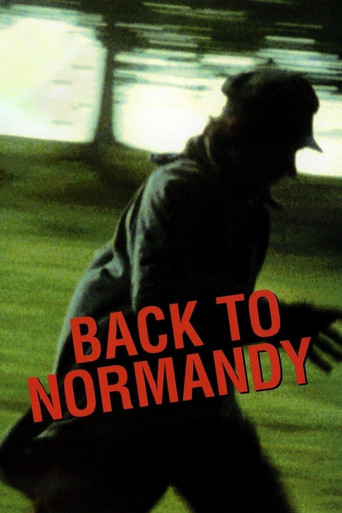
Back to Normandy
A filmmaker returns to Normandy thirty years after a working on a movie based on a local homicide and tries to find the actors who worked on the project.
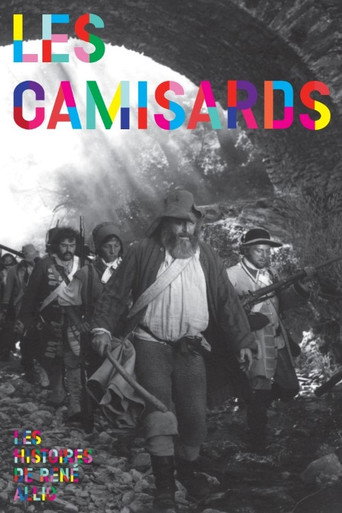
The French Calvinists
A few years after the revocation of theEdict of Nantes, the Camisards, Protestants from the Cévennes region, mostly peasants and silk workers, formed groups following Gédéon Laporte and fought Louis XIV's dragoons.
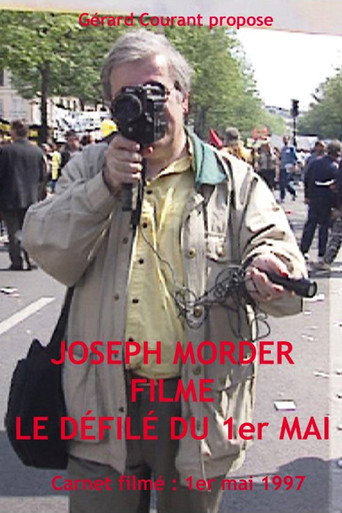
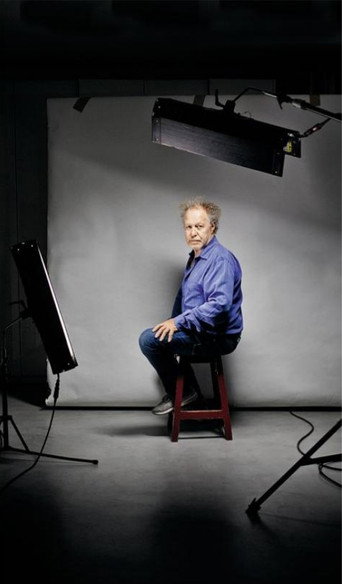
Nicolas Philibert, Hasard et Nécessité
This is a peaceful conversation between two filmmakers, Nicolas Philibert and Jean-Louis Comolli. A conversation, or the pleasure of spending time together. Nicolas Philibert describes with great precision his way of working and invites us to examine the ethical dimension of his process.

Not Like Before
From January to November 2004, as a kind of carnet de voyage alongside our other activities, we asked one and the same question of various people we met on our journeys, including friends: "Do you remember a moment in your life when something really changed?" We requested them to tell us a story to illustrate their reply, and we filmed them.
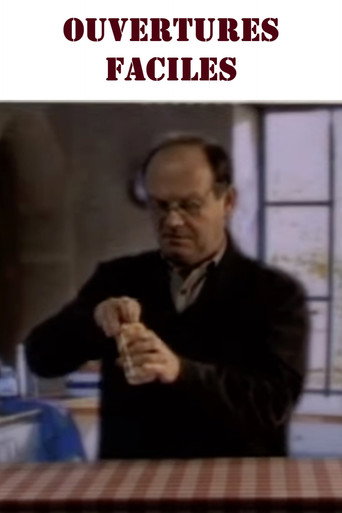
Ouvertures faciles
A panel of people representing nothing at all tries to open supposedly easy-open packages.
Production
Back to Normandy
A filmmaker returns to Normandy thirty years after a working on a movie based on a local homicide and tries to find the actors who worked on the project.
Back to Normandy
A filmmaker returns to Normandy thirty years after a working on a movie based on a local homicide and tries to find the actors who worked on the project.
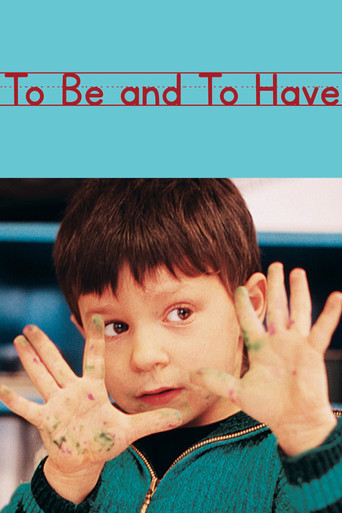
To Be and to Have
The documentary's title translates as "to be and to have", the two auxiliary verbs in the French language. It is about a primary school in the commune of Saint-Étienne-sur-Usson, Puy-de-Dôme, France, the population of which is just over 200. The school has one small class of mixed ages (from four to twelve years), with a dedicated teacher, Georges Lopez, who shows patience and respect for the children as we follow their story through a single school year.
To Be and to Have
The documentary's title translates as "to be and to have", the two auxiliary verbs in the French language. It is about a primary school in the commune of Saint-Étienne-sur-Usson, Puy-de-Dôme, France, the population of which is just over 200. The school has one small class of mixed ages (from four to twelve years), with a dedicated teacher, Georges Lopez, who shows patience and respect for the children as we follow their story through a single school year.

Trilogy for One Man
The most legendary 'sequence' ever achieved by a mountaineer: on 12 and 13 March 1987, in 40 hours, 26-year-old Christophe Profit managed to climb three of the highest north faces in the Alps, in winter: Grandes Jorasses, Eiger, and Matterhorn. But over and above this 'coverage' of the feat, we discover the wings, the story behind the project, the peaks and troughs of the preparations for it, and the personality of the man behind the climbs, a dancer on sheer rock faces, focusing all the energy and reflexes of life itself in his fingertips.
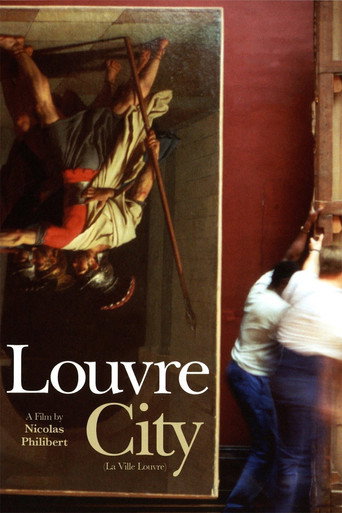
Louvre City
A voyage into the museum's reserves, and part of the extra work involved to mount the expositions after the renovation of the Louvre in the 1980s, when the glass pyramid was added to the classic buildings. From the preservation rooms through the frame and painting retouches by experts, to the personnel instruction on how to be efficient in protecting the collections, and look nice to the visitors.
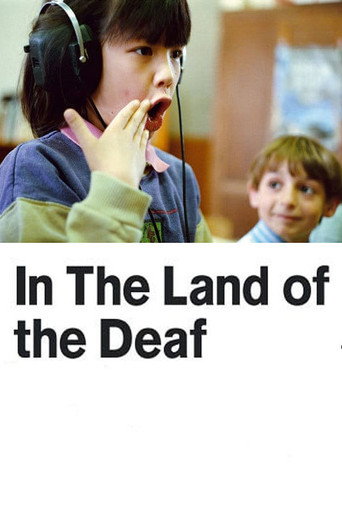
In the Land of the Deaf
Anyone who has ever ventured to the "Land of the Deafs" will have been struck by the strangeness of the choreographed signs with which deaf people express themselves. Developed ages ago, these signs constitute a veritable language. As precise and subtle as speech, they are as effective as spoken language in making a declaration love or providing a detailed technical description. Jean-Claude, Jeanine, Eric, Cyril, Alain, Juliette, Guy, Aurélien and René have one thing in common - they are all profoundly deaf. So they dream, think and communicate in sign language. Which means that they see the world differently. Viewers embark with them on a discovery of the distant land of the deaf, where sight and touch assume enormous importance.
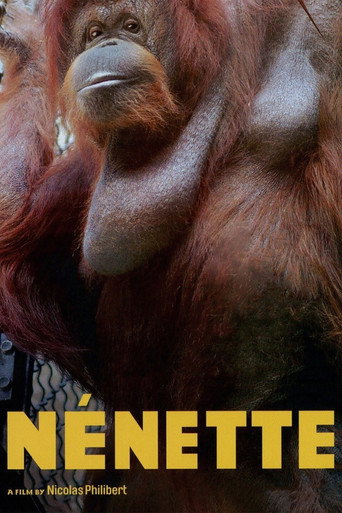
Nénette
Nénette, an orangutan, is the star of the Parisian zoo where she has lived most of her long life. She is a mother of four and has survived three mates, and she bonds only with a few select keepers. The camera rests throughout on Nénette and the other apes in everyday situations. We only see the visitors as occasional reflections in the glass, but we hear their recorded comments and conversations alongside interviews with the zoo keepers.
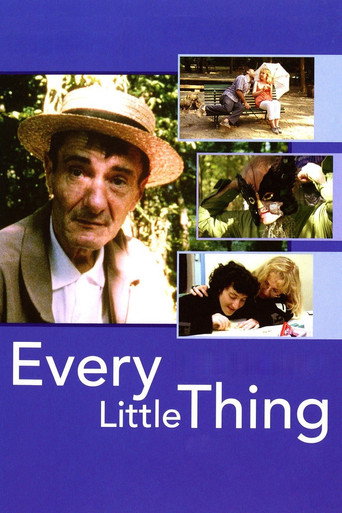
Every Little Thing
In the summer of 1995, as every year, the patients and staff of "La Borde" psychiatric clinic rehearse their summer play for a performance on August 15th. The film records the ups and downs of the venture as rehearsals go by. Yet, it also delicately captures the day-to-day existence, the seemingly insignificant details, the loneliness and the fatigue but also the collective joy and the close attention that all these people pay to each other.
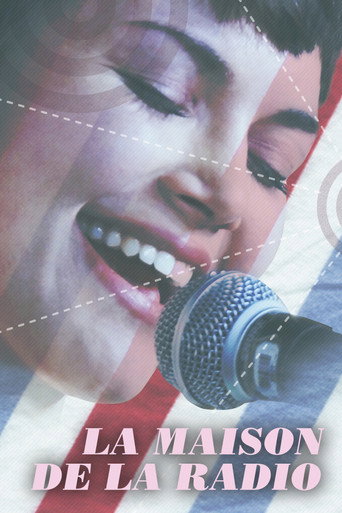
La Maison de la Radio
Making a film about a radio station doesn’t sound like the most visually compelling of projects. How many takes do you need before the acoustic transition from the opening to the closing of a door is perfect or the reader's voice correctly modulated? Nicolas Philibert has accepted the challenge to portray that which cannot be seen. Shouldering his camera, he spent half a year wandering the endless corridors of Radio France’s ‘round house’ on the banks of the Seine where he filmed people who dedicate themselves utterly and meticulously to their work.
Gallery