Sound
No biography available.
Lila, Nico, Yoni, Justine and Guy are all around 25. We follow them through marking moments of their lives, slowly becoming of age.
A young woman invents the love she does not get and she needs. She has always done that, since childhood. It has become a disease. When Nicolas leaves her she refuses to believe it. He will love her anyway, it is needed, she needs it.
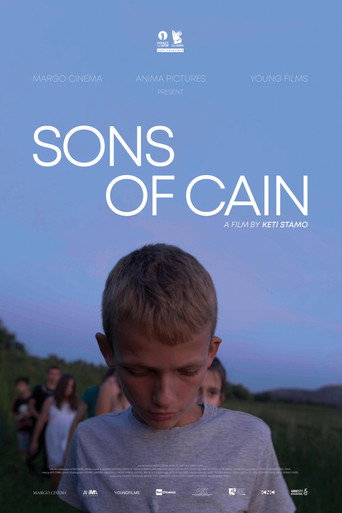
"Sons of Cain" is set in a small village in northern Albania. In this place time is suspended and the severe rules of an old code (Kanun) still dictate the life and death of the inhabitants. A group of seven children obliged to live under this code meet and discuss the story of Cain and Abel. Creating their own dream space, partially consciously and partially not, they create an analogy between their own stories and Bible stories. Stuck on the fine line between reality and forgetfulness, this is one of the few chances they have to come to grips with their traumas and emotions.
Set in 1899 Paris, a young police sergeant is chosen to infiltrate a group of anarchists, an opportunity he sees to rise through the ranks. However, he soon finds himself becoming attached to the group.
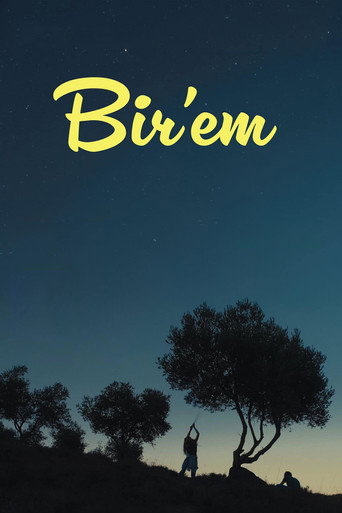
In the north of Israel, Nagham, a Palestinian girl, decides to return to Bir’em, her family’s village, which was destroyed during the 1948 Palestinian Nakba. The teenager spends the summer reconnecting with memories of her grandfather.
Iulia lives alone in Monaco since her father left, who returned to Russia due to sanctions against their country. She no longer attends school. She feels increasingly lonely and threatened.
Three places, three moments of a night with Geneva’s jeunesse dorée.
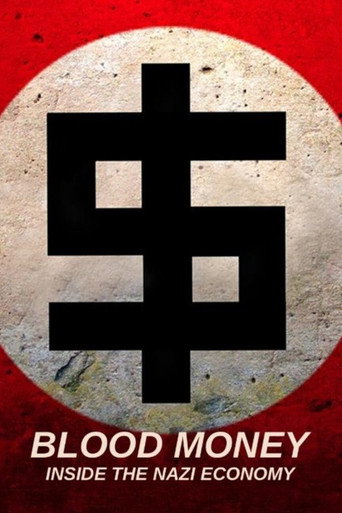
How did Nazi Germany, from limited natural resources, mass unemployment, little money and a damaged industry, manage to unfurl the cataclysm of World War Two and come to occupy a large part of the European continent? Based on recent historical works of and interviews with Adam Tooze, Richard Overy, Frank Bajohr and Marie-Bénédicte Vincent, and drawing on rare archival material.
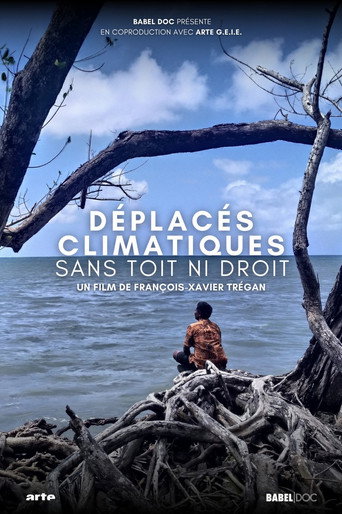
Already more than 30 million people flee their villages, regions or countries every year because of climate change. By 2050, it's estimated there will be between 200 million and 1 billion climate refugees. As extreme weather threatens the lives of hundreds of millions of people, how can the world best respond? Faced with these migrations, the international community seems incapable of agreeing on the definition of a "climate refugee" and suitable compensation for them. But, in the absence of a global response, the countries and regions most affected by the climate change/migration problem are taking the initiative. Climate Refugees: A Global Challenge explores these challenges through the prism of individual human stories and innovative initiatives in Asia, the Pacific and Latin America. In the long term, they could become models for change well beyond their borders.