Acting
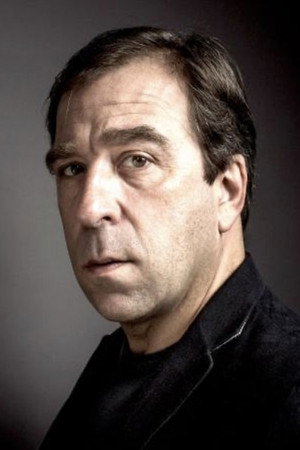
No biography available.
While Félix, 26, is celebrating his birthday at home with his family, he discovers a hateful comment on one of his videos. He concludes that it inevitably comes from someone in his family because the video is published privately and therefore only a member of his family had the possibility of viewing it.
Theater director Thomas Ostermeier stages Bertolt Brecht and Kurt Weill's timelessly magnificent "Threepenny Opera" with the ensemble of the Comédie Française in Aix-en-Provence, based on a new translation of the original text by Alexandre Pateau. In London's underworld district of Soho, the beggar king Jonathan Peachum and the criminal Macheath, known as Mackie Messer, are at war. The latter also seduces the daughter of the shady "businessman". When he finds out that the two have secretly celebrated a wedding, he decides to get rid of his rival. He is aided in his endeavors by Jenny, a cunning whore who betrays her ex-lover to the police. Back to the original: First performed in 1928, the opera parody strings together one biting musical number after another in cabaret style and jazz rhythm, breaking the boundaries of the genre, which until then had been considered bourgeois. Because the "Threepenny Opera" by Bertolt Brecht and Kurt Weill is clearly political!
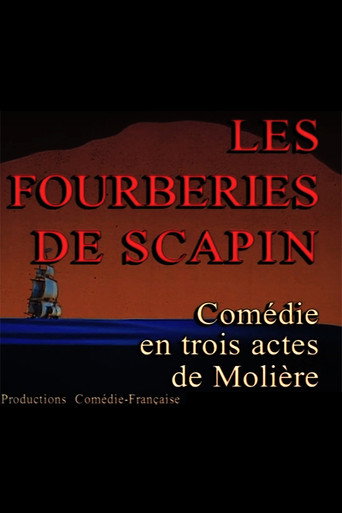
Theater play "Les fourberies de Scapin" played by the "Comédie française" in 1998.
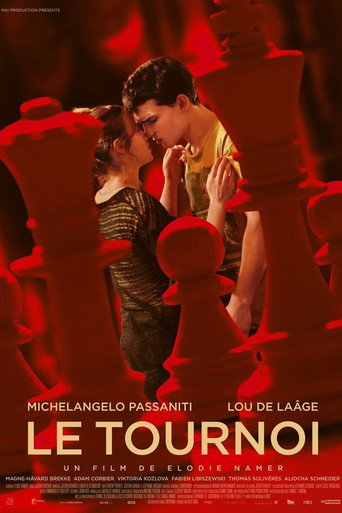
Budapest International Chess Tournament. The most likely winner: Cal Fournier (22), French champion, immature genius, socially awkward, compulsive player. But this time, an unusual 9-years-old Hungarian opponent disrupts this smooth-running routine.
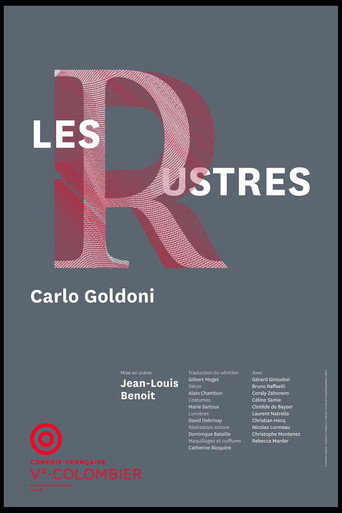
Written in 1760, Carlo Goldoni’s comedy has never been performed at the Comédie-Française, perhaps overshadowed by the famousHoliday Trilogy. A satire of the Venetian merchant class, embodied by narrow-minded, complaining and intolerant men whose mistrust of the fairer sex borders on the absurd, The Boors perfectly illustrates Goldoni’s theatre, a “theatre of life with a real content, characters observed in reality, and a natural expression.” Thus, a theatre in which the man Voltaire described as “nature’s son and painter” scrutinises his contemporaries, their relationships and their social behaviour. His work served to entertain while providing posterity with an acute testimony of the morals of his time. Indeed, Jean-Louis Benoit warns against reducing the author to a simple “photographer of reality”.