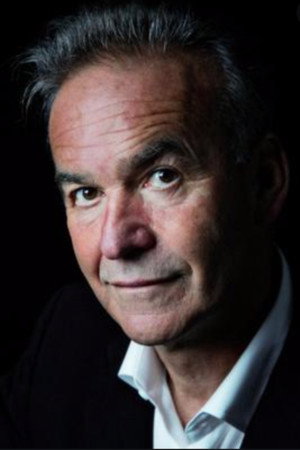
Nick Broomfield Movies, TV Shows, and Filmography
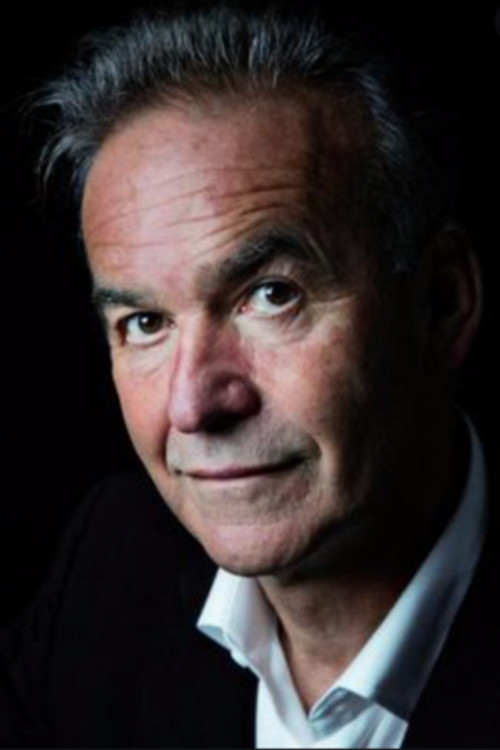
Nick Broomfield
Directing
Biography
From Wikipedia, the free encyclopedia Nicholas "Nick" Broomfield (born 1948) is an English documentary film-maker. He is the son of Maurice Broomfield, a photographer. Broomfield works with a minimal crew, just himself and one or two camera operators, which gives his documentaries a particular style. Broomfield is often in shot holding the sound boom. Broomfield was awarded the BAFTA Lifetime Achievement Award for Contribution to Documentary, and was given honorary doctorates from Essex and Surrey University. He was awarded the Californian State Bar Award for his contribution to Legal Reform and is a founder member of the Morecambe Bay Victims Fund. Description above from the Wikipedia article Nick Broomfield, licensed under CC-BY-SA, full list of contributors on Wikipedia.
Filmography Movies
Acting
Biggie & Tupac
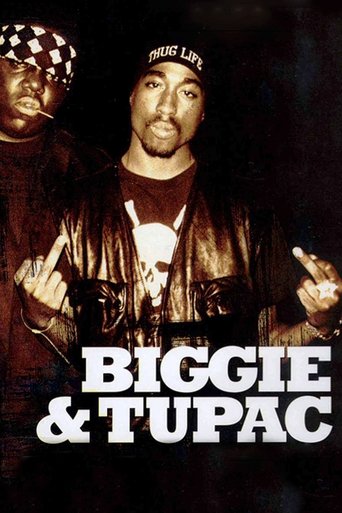
In 1997, rap superstars Tupac Shakur and Christopher Wallace (aka Biggie Smalls, The Notorious B.I.G.) were gunned down in separate incidents, the apparent victims of hip hop's infamous east-west rivalry. Nick Broomfield's film introduces Russell Poole, an ex-cop with damning evidence that suggests the LAPD deliberately fumbled the case to conceal connections between the police, LA gangs and Death Row Records, the label run by feared rap mogul Marion "Suge" Knight.
Kurt & Courtney
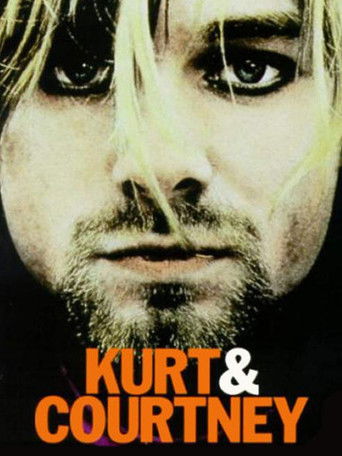
After rocker Kurt Cobain's death, ruled a suicide, a film crew arrives in Seattle to make a documentary. Director Nick Broomfield talks to lots of people. Portraits emerge: a shy, slight Kurt, weary of touring, embarrassed by fame, hooked on heroin; an out-going Courtney, dramatic, controlling, moving from groupie to star.
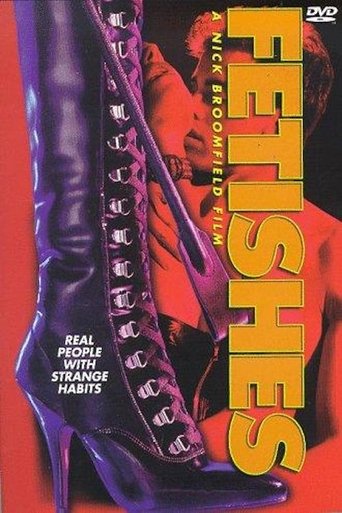
Fetishes
Nick Broomfield and a documentary crew visit Pandora's Box, an up-scale house of bondage on Manhattan's Fifth Avenue, where clients pay $175 an hour to be subservient to mistresses. Mistresses talk about their craft; a few clients, usually masked, are interviewed as well. Then, the camera watches sessions organized around fetishes: rubber, wrestling, corporal punishment, masochism, and infantilism. Mistress Raven, the owner of Pandora's Box, explains that pain need not be part of the subservient experience: it is, at its root, a transfer of power. After their session has ended, clients talk about how drained, relaxed, relieved, and at peace they are.
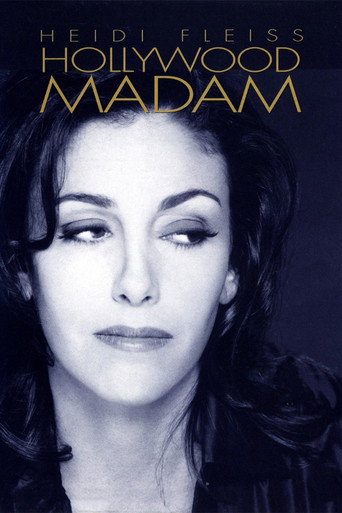
Heidi Fleiss: Hollywood Madam
A documentary crew from the BBC arrives in L.A. intent on interviewing Heidi Fleiss, a year after her arrest for running a brothel but before her trial. Several months elapse before the interview, so the crew searches for anyone who'll talk about the young woman. Two people have a lot to say to the camera: a retired madam named Alex for whom Fleiss once worked and Fleiss's one-time boyfriend, Ivan Nagy, who introduced her to Alex. Alex and Nagy don't like each other, so the crew shuttles between them with "she said" and "he said." When they finally interview Fleiss, they spend their time reciting what Alex and Nagy have had to say and asking her reaction.
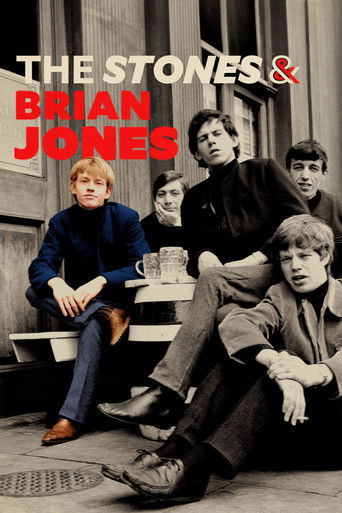
The Stones and Brian Jones
A look at the relationships and rivalries within The Rolling Stones in their formative years, as well as the creative musical genius of Brian Jones, key to the success of the band.
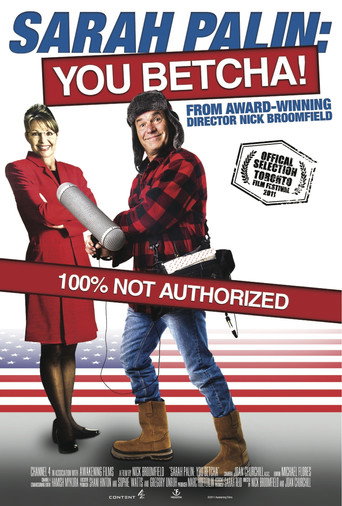
Sarah Palin: You Betcha!
A journey that takes the viewers across the icy mid-winter snows of Alaska to meet her school friends, family, and Republican colleagues, to try and discover the real Sarah Palin.
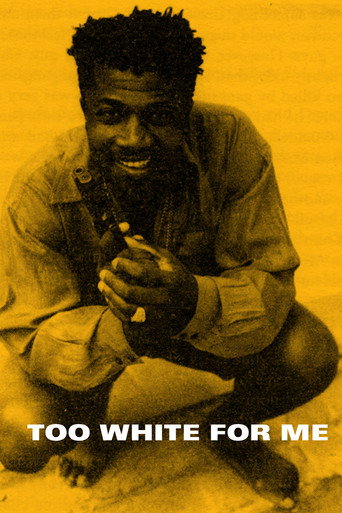
Too White for Me
Still in his role as the innocent Brit in Africa, ludicrously encumbered by earphones and microphones, Broomfield turns to Chicco Twala - one of South Africa's black millionaires.
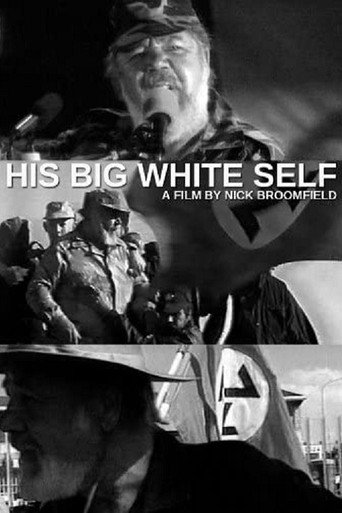
His Big White Self
A follow-up to "The Leader, His Driver, and the Driver's Wife", about the history of the far-right group AWB and its leader Eugene Terre'Blanche.
After Frank
Filmmaker, Walter Forsyth sets out on a journey to make a tribute film about photographer/filmmaker, Robert Frank, deconstructing the documentary form along the way. With appearances by Albert Maysles, Nick Broomfield, ex-Rolling Stone Mick Taylor, Alfred Leslie and Matt Damon. "He pulled a sad poem right out of America, taking his place among the great poets of our time" - Jack Karoac.
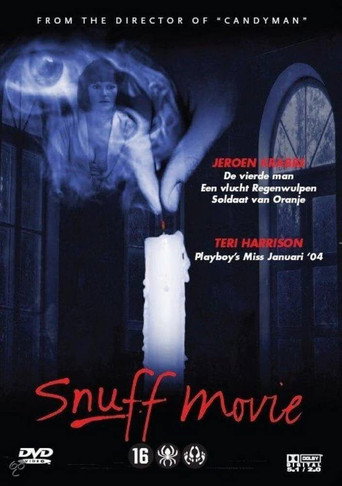
Snuff-Movie
Boris Arkadin is a horror film maker. His pregnant wife was brutally murdered by a Manson-like gang of hippy psychopaths during the 1960s. He becomes a virtual recluse - until years later he directs his own snuff inspired movies. He invites actors to take part in an audition at his country manor house - blurring the lines of what is real and what is fiction.
Production
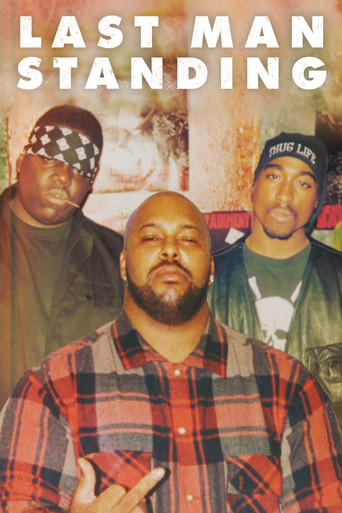
Last Man Standing: Suge Knight and the Murders of Biggie and Tupac
Last Man Standing takes a look at Death Row and how L.A.’s street gang culture had come to dominate its business workings, as well as an association with corrupt LA police officers who were also gang affiliated. It would be this world of gang rivalry and dirty cops that would claim the lives of the world’s two greatest rappers: Tupac Shakur and Biggie Smalls.
Biggie & Tupac
In 1997, rap superstars Tupac Shakur and Christopher Wallace (aka Biggie Smalls, The Notorious B.I.G.) were gunned down in separate incidents, the apparent victims of hip hop's infamous east-west rivalry. Nick Broomfield's film introduces Russell Poole, an ex-cop with damning evidence that suggests the LAPD deliberately fumbled the case to conceal connections between the police, LA gangs and Death Row Records, the label run by feared rap mogul Marion "Suge" Knight.
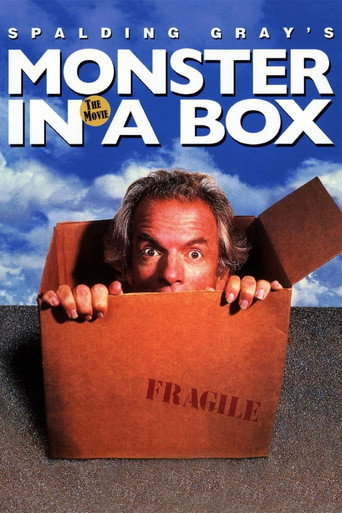
Monster in a Box
Monologuist Spalding Gray talks about the great difficulties he experienced while attempting to write his first novel, a nearly 2,000-page autobiographical tome concerning the death of his mother. Among his many asides, Gray discusses his problems in dealing with the Hollywood film industry, recounts the trips he took around the world in order to avoid dealing with his writer's block and describes his ambivalence about acting as stage manager for a Broadway production of "Our Town."
Kurt & Courtney
After rocker Kurt Cobain's death, ruled a suicide, a film crew arrives in Seattle to make a documentary. Director Nick Broomfield talks to lots of people. Portraits emerge: a shy, slight Kurt, weary of touring, embarrassed by fame, hooked on heroin; an out-going Courtney, dramatic, controlling, moving from groupie to star.
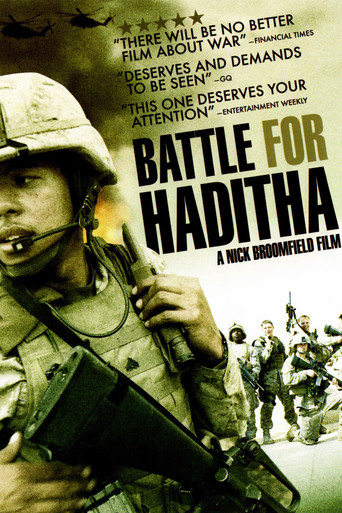
Battle for Haditha
An investigation of the massacre of 24 men, women and children in Haditha, Iraq allegedly shot by 4 U.S. Marines in retaliation for the death of a U.S. Marine killed by a roadside bomb. The movie follows the story of the Marines of Kilo Company, an Iraqi family, and the insurgents who plant the roadside bomb.
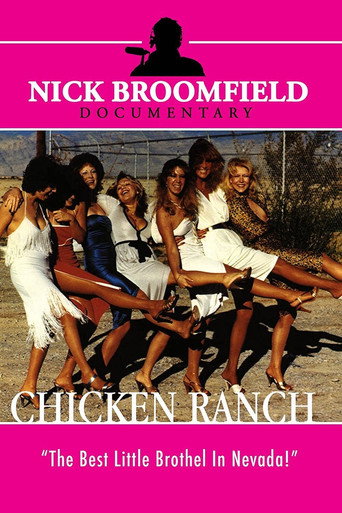
Chicken Ranch
Documentary on the "Chicken Ranch," a legal Nevada brothel.
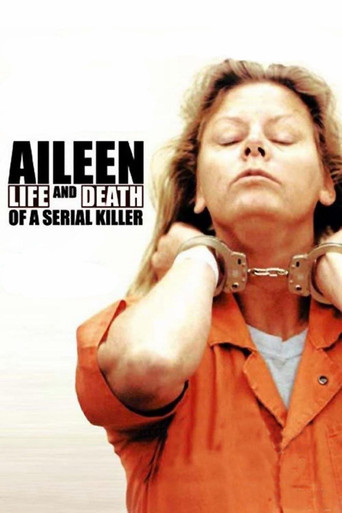
Aileen: Life and Death of a Serial Killer
British documentarian Nick Broomfield creates a follow-up piece to his 1992 documentary of the serial killer Aileen Wuornos, a highway prostitute who was convicted of killing six men in Florida between 1989 and 1990. Interviewing an increasingly mentally unstable Wuornos, Broomfield captures the distorted mind of a murderer whom the state of Florida deems of sound mind -- and therefore fit to execute. Throughout the film, Broomfield includes footage of his testimony at Wuornos' trial.
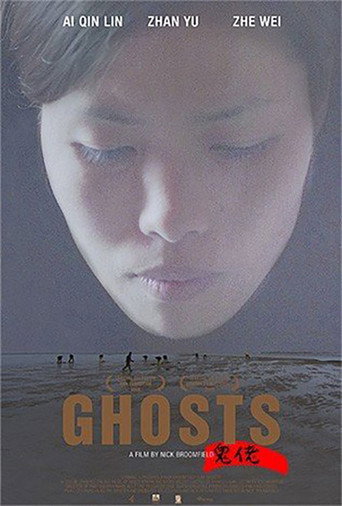
Ghosts
When a young girl, Ai Qin, pays $25,000 to be smuggled into the UK in order to support her family back in China, she becomes another one of 3 million migrant workers that have become the bedrock of our economy. Forced to live with eleven other Chinese people in a two bedroom house, they work in factories preparing food for British supermarkets. Risking their lives for pennies these unprotected workers end up cockling in Morcombe Bay at night.
Fetishes
Nick Broomfield and a documentary crew visit Pandora's Box, an up-scale house of bondage on Manhattan's Fifth Avenue, where clients pay $175 an hour to be subservient to mistresses. Mistresses talk about their craft; a few clients, usually masked, are interviewed as well. Then, the camera watches sessions organized around fetishes: rubber, wrestling, corporal punishment, masochism, and infantilism. Mistress Raven, the owner of Pandora's Box, explains that pain need not be part of the subservient experience: it is, at its root, a transfer of power. After their session has ended, clients talk about how drained, relaxed, relieved, and at peace they are.
Heidi Fleiss: Hollywood Madam
A documentary crew from the BBC arrives in L.A. intent on interviewing Heidi Fleiss, a year after her arrest for running a brothel but before her trial. Several months elapse before the interview, so the crew searches for anyone who'll talk about the young woman. Two people have a lot to say to the camera: a retired madam named Alex for whom Fleiss once worked and Fleiss's one-time boyfriend, Ivan Nagy, who introduced her to Alex. Alex and Nagy don't like each other, so the crew shuttles between them with "she said" and "he said." When they finally interview Fleiss, they spend their time reciting what Alex and Nagy have had to say and asking her reaction.
Gallery