Sound
No biography available.
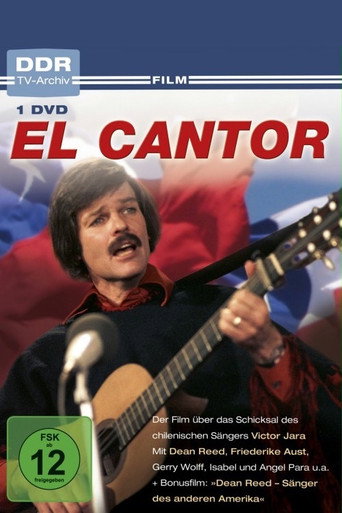
A story of Victor Jara - one of the most popular singers in Chile.
This was a man. He lived with his mother. He cared a manor house in the countryside of Chile. One day the man found a bone in the garden. The bone was bored. That was a bone flute. The man with the flute music play. And music song became. The voice of the song begging to seek the other bones of his scattered body. The man and his mother were in those ways of God and hell, looking for the bones that make up the skeleton of that Christian. And give him a Christian burial. And they saw what they saw, they lived what they lived. Many stories lived. And although they did not tell anyone, others told them.
A documentary about the consequences of consuming alcohol and how it works as a weapon of the bourgeoisie to appease the thirst of the people.
An experimental four-part 2002 Franco-Chilean digital video series written and directed by Raúl Ruiz. The first part won a FIPRESCI Award at the Montreal World Film Festival in 2002 "for the director's personal exploration into his homeland, using DV in a rigorous yet playful manner".
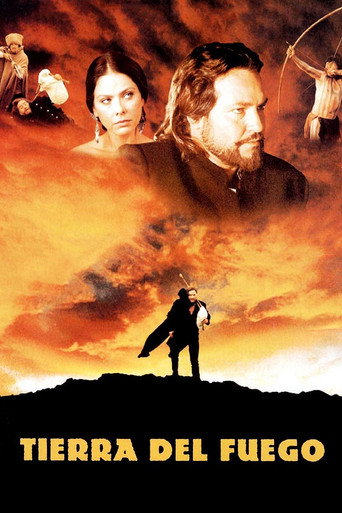
The film is based on the novel (of the same name) by the Chilean writer Francisco Coloane, and on the chronicles of the Romanian engineer Julius Popper, a nationalized Argentine and one of the principle actors in the genocide of the Selk'nam, one of the indigenous peoples who inhabited the Tierra del Fuego Archipelago.
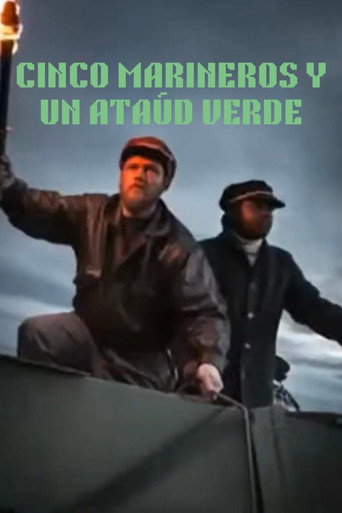
In the seas of southern Chile, where the known world ends, in dangerous waters and ghost ports, a space where everything is possible, a group of sailors dare still to dream in mysteries and enchantments...
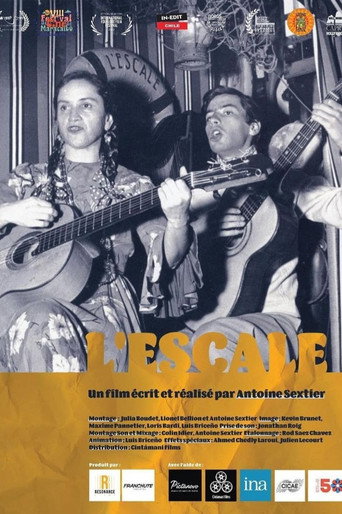
"L'Escale", a small Latin American cabaret on rue Monsieur Le Prince in Paris, welcomed people of all nationalities in a festive and committed atmosphere during the 1960s. They shared their dreams and their music there for entire nights. While he was writing his second book, Gabriel García Márquez even played maracas there… In Antoine Sextier's documentary, the last witnesses of this era look back on this golden age of Latin American music in France. A golden age that allowed them to fulfill their Bolivarian dream: to unite Latin America through music.
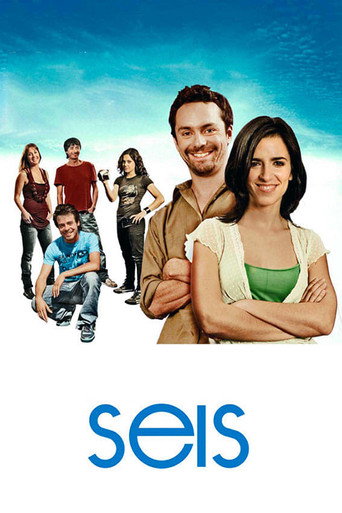
A group of friends meet one summer day to celebrate the arrival of one of them who comes from Mexico and who will bring them together again.
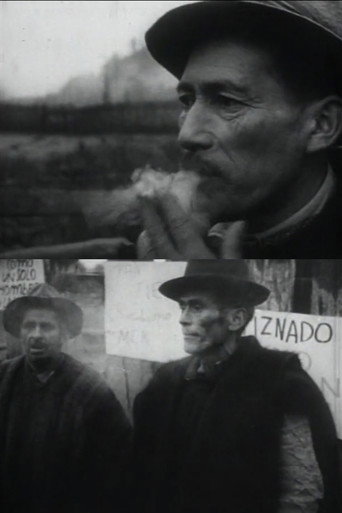
Overview of the forestry workers of Valdivia and Panguipulli. Their testimonies reveal the abuse to which they are subjected.
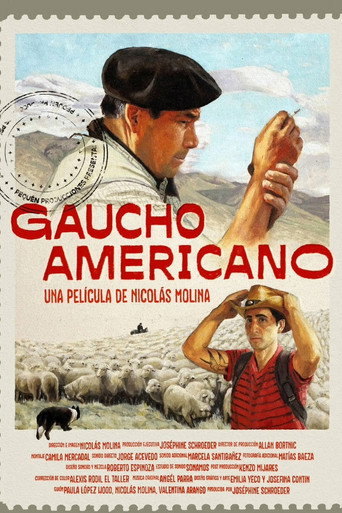
Known for their ranching abilities and their endurance under extreme weather conditions, both Joaquín and Victor leave their families behind to pursue their dreams of earning enough money to buy land of their own back in Chile.
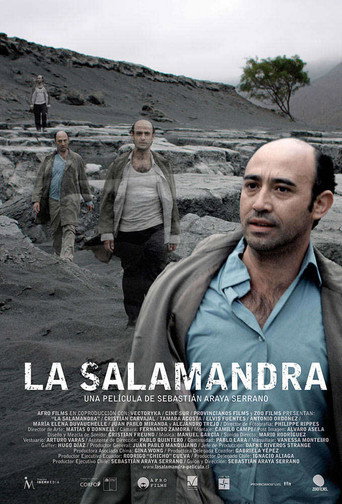
In a violent city where a man succumbs to the loneliness and delirium of his unfulfilled desires. He wishes to belong somewhere. And the only way to achieve this goal is projecting in his own mind another version of himself, a "second man", someone -who will be accepted.
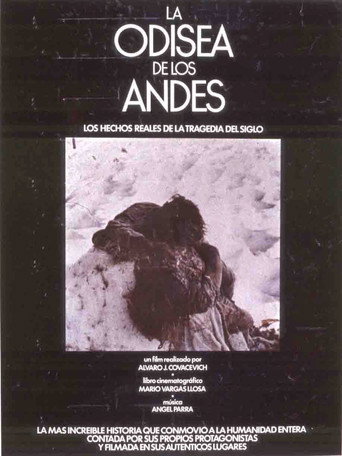
A documentary revolving around the 1972 crash of the plane carrying an Uruguayan rugby team; interviews with survivors and the families of victims.
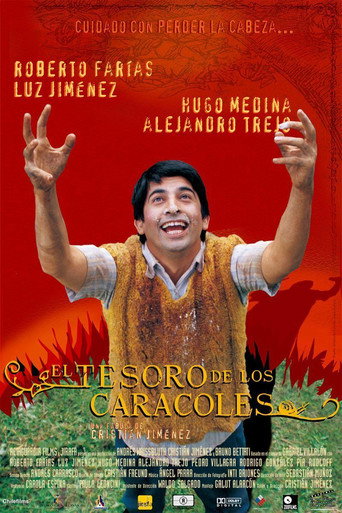
After finding a valuable treasure, Quique commits a crime. His mother arranges a plot to hide the act and keep the gems, but to make it, she'll have to surpass both the stupidity of Quique and the smartness of the policemen who investigate the case.
During a protest, French priest André Jarlan was shot and killed on September 4, 1984, in the La Victoria neighborhood of Santiago. The residents arrived on foot to the Cathedral demanding justice, also offering a testimony of love and solidarity with their pastor. In parallel, the documentary tells the story of the 1957 occupation that gave rise to the town. It also reveals the strong organization of the residents, essential in addressing the economic hardship and repression suffered by one of the main popular bastions of opposition to the military dictatorship. Pierre Dubois, the parish priest of La Victoria, played a leading role in the attempt to stop the violence against the residents of the town. In recognition of his work, he was granted Chilean nationality in 2001.
Chile 1985, the repression of the Chilean people by the dictatorship and the resistance, accompanied by the music of the exiled composer Angel Parra.