Acting
No biography available.
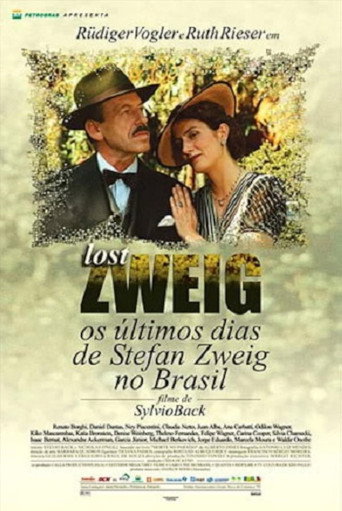
The life of Austrian writer Stefan Zweig in Brazil. He wrote the famous book "Brasil, País do Futuro" (Brazil, Country of the Future). He and his wife Lotte, in a mysterious death pact, decided to kill themselves in the week following 1942 Carnival, in Brazil.
Amidst the covid-19 quarantine, a young woman makes video calls with 3 different woman under suspicious pretexts - but something bigger connects them.
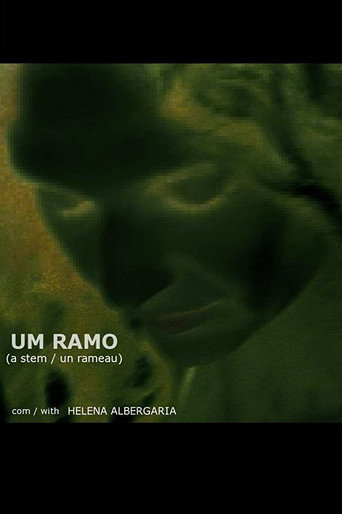
After her husband loses his job, Helena opens her own grocery store. Soon, increasingly strange events begin to plague her store, making her question her sanity.
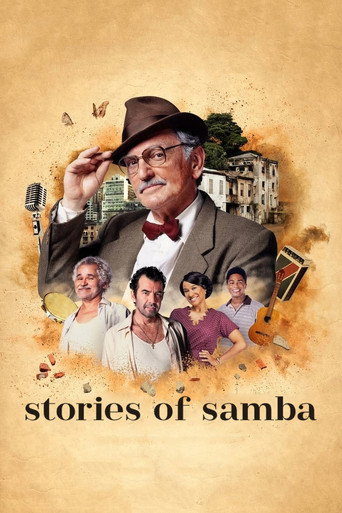
At a bar table, old samba singer and composer Adoniran Barbosa tells a young waiter stories about a São Paulo that no longer exists. He fondly remembers the maloca where he lived with Joca and Mato Grosso, their passion for Iracema and other characters eternalized in his sambas, chronicles of a metropolis swallowed up by the voracious appetite of progress.
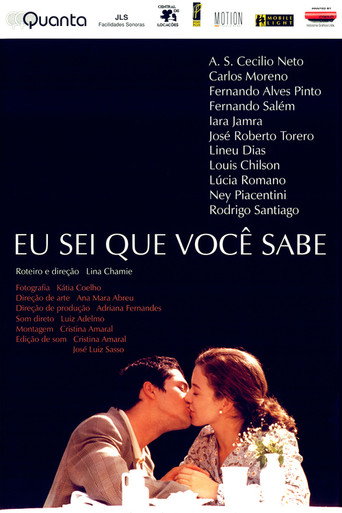
Disagreements, incommunicability between people. What is said is not heard, what is heard is not understood. Everything is ambiguous. What appears to be is not, except poetry.
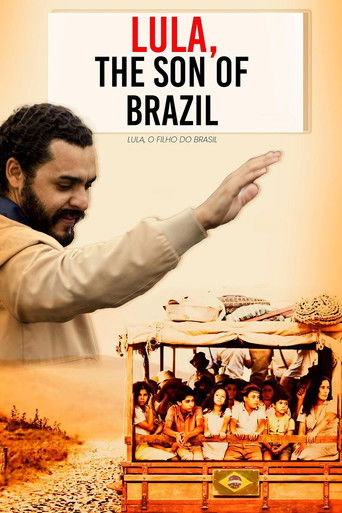
The true story of a working class boy who moves to the nation's financial capital at a young age and becomes one the most influential politicians in Brazilian history.
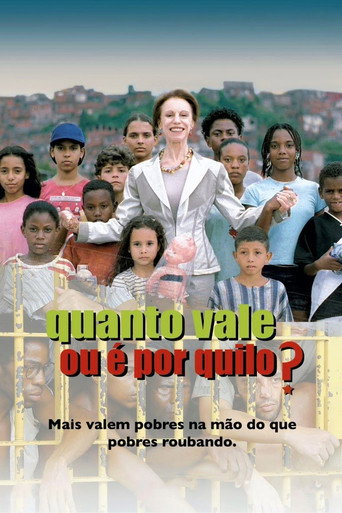
Free adaptation of Machado de Assis's short story "Pai Contra Mãe", having some of Nireu Cavalcanti's 18th Century chronicles as inspiration, the film traces parallels between life in during the slavery period and in modern Brazil.
Clarisse notices a small green leaf growing out of her right arm.
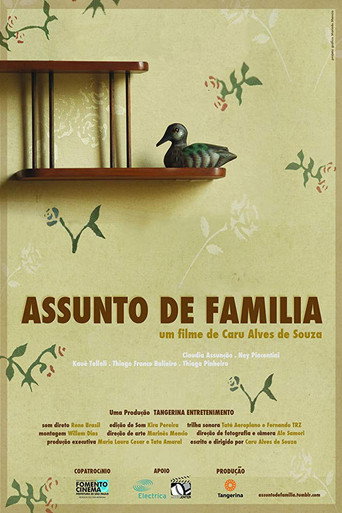
Sunday. Classic game on the brazilian championship. Rossi’s family organize themselves in front of TV. Eunice, his mother, looks trough the window while Borges, his dad, and Cauã, his older brother, watch the football match. Rossi tries to find his place in the house.