Neva Rošić Movies, TV Shows, and Filmography
Neva Rošić
Acting
Biography
No biography available.
Filmography Movies
Acting
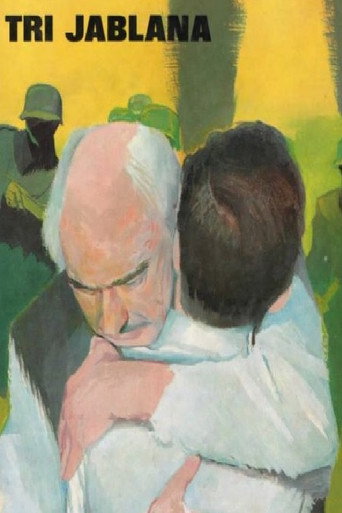
Three Poplars
The film was created based on the stories of Marino Zurl, head of humanitarian action of the weekly Arena newspapers, who from 1963 to 1971 was looking for the next of kin of children separated from their parents during World War II and taken to camps and shelters. Many of them later grew up in orphanages or foster families, like the three main characters of this film, Ana (Biserka Ipša), Nenad (Mustafa Nadarević) and Toma (Božidar Orešković). Each of them relates in a different way to the past and the possibility that, as young accomplished adults, they can finally solve the secret of their identity and meet members of their real families.
Karmine
In the twenties of the last century, after funeral of the bank advisor, relatives gathered in a tavern near the Mirogoj cemetery, an opportunity to solve some old and uncleared bills .
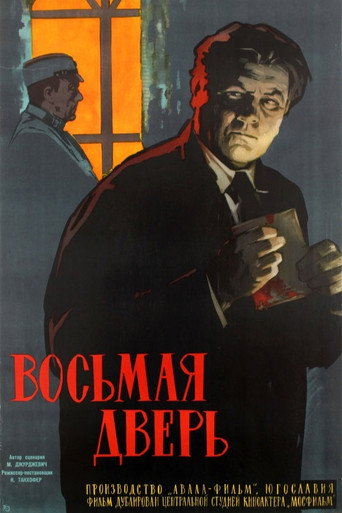
The Eighth Door
Story of an old university professor, who accidentally becomes involved in the activities of the resistance movement.
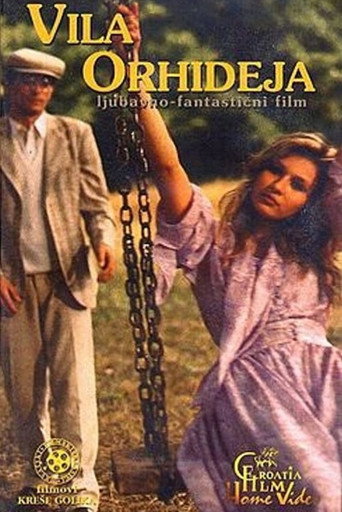
The Orchid Villa
Successful writer (Boris), accompanied with his fiancé, returns to place where he grew up in hope to find inspiration for new book. But memories are somewhat distracting, especially those of an old love...
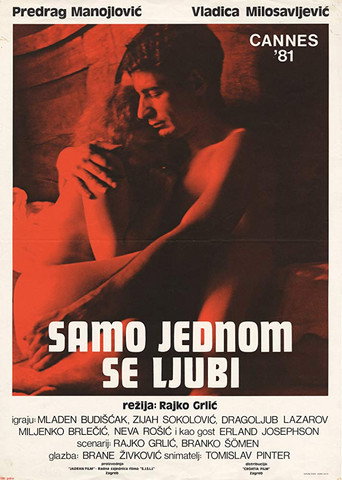
You Love Only Once
Tomislav is a former Partizan who continues his struggle after the war as a dedicated member of Tito's secret police. He meets and falls in love with a ballet dancer from a bourgeois family. His love affair with the class enemy and his slow adaptation to the post-war realities could seal his doom.

Matriarch
The story of Jasna, a Croatian ex-pat who, due to her mother Anka's declining health, is forced to return to a place she has been avoiding most of her life - her home. The two haven't been in touch for years, but the proximity of death forces them to confront the ghosts of their past. It is also a portrait of life in a typical small town in the midst of Mediterranean hinterland. Plunging into the anxieties of the community, MATER subtly uncovers class, status, and gender issues that shape Anka's and Jasna's personalities - their stubbornness, strength, and tragic flaws.

Resting Room
By using the motifs of Krleza's play "Adam and Eve", written in 1922, director Tomislav Radic questions a similar pattern of male-female relations in a trivial, contemporary context. With Krleza's lines, Radic counterpoints almost documentary sequences from life, showing how Krleza's youthful distaste for the bourgeois concept of "love" can be actualized in a fundamentally different social environment.
Klara Dombrovska
It tells about mutual conflicts and the decline of the once rich and prominent Zagreb family Dombrovski. In this large family, women have always been in charge of decisions. The plot takes place immediately after the death of the founder and owner of the company, Vladimir Dombrovski.

Allegro con brio
Journalist Irena is very busy and in constant motion, so she spends Sunday at work. Irena went to a book exhibition on a sunny Sunday morning, and the day ends with a fashion show. She will interview a prominent Slovenian writer, a film actress and a model.
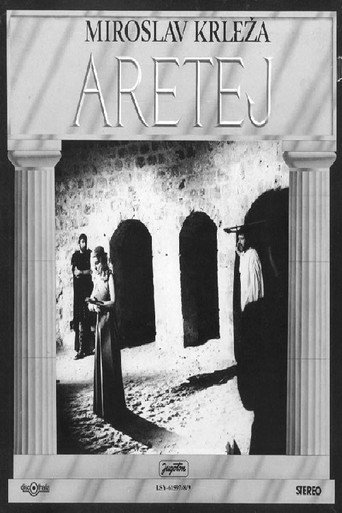
Aretheus
The last play that Miroslav Krleza ever wrote. Especially interesting is the directorial concept, which sets the play in the space of the old Dubrovnik fortress, and used the audience as semi-active participants in the event. Two acting ensembles played for different audience with a short time lag.