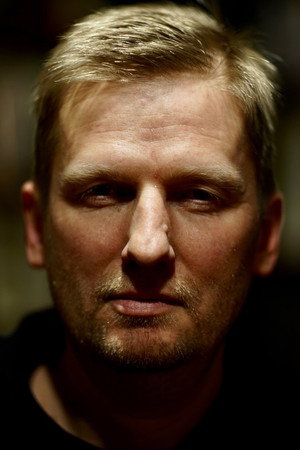
Nerijus Milerius Movies, TV Shows, and Filmography
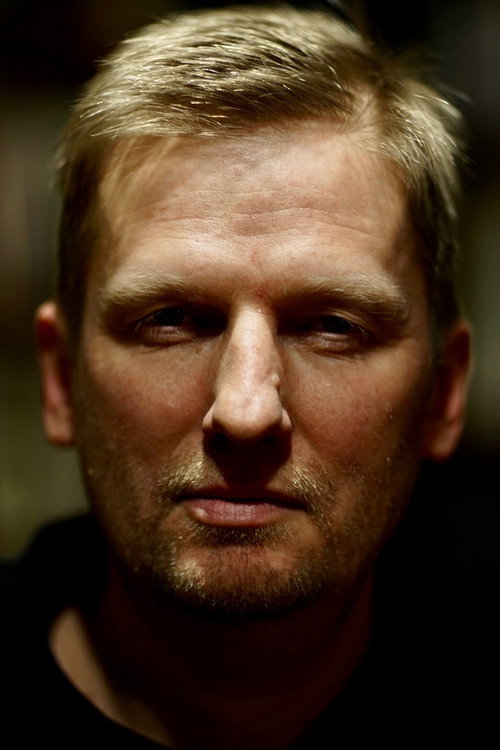
Nerijus Milerius
Directing
Biography
No biography available.
Filmography Movies
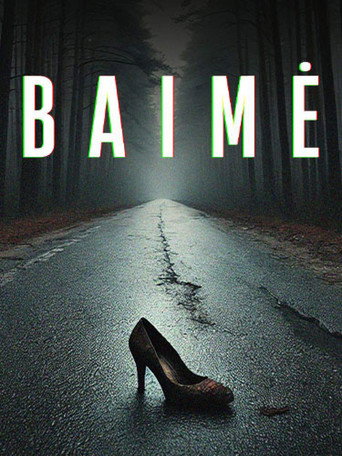
Production
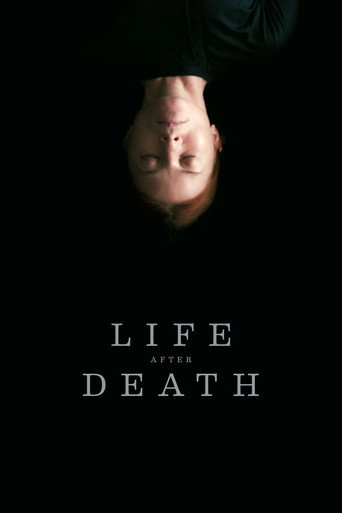
Life After Death
Is anything changing in life when in a film your characters death, mourning the loss of beloved one - parents, children is played? In Life After Death, this question is posed in different forms to three generations of actors.

Exemplary Behaviour
Audrius Mickevičius puts the horribly disfigured face of his murdered brother at the start of his film. It is almost a meditation about the question whether a final act like murder can be atoned for in a temporal order – and whether the passing of time allows the victim’s family to forgive. Mickevičius uses the example of two lifers (one of them gets married and wants to have children, the other pours his whole passion into an idea of craftsmanship) and a philosopher with prison experience to make that strange state of suspended life comprehensible.
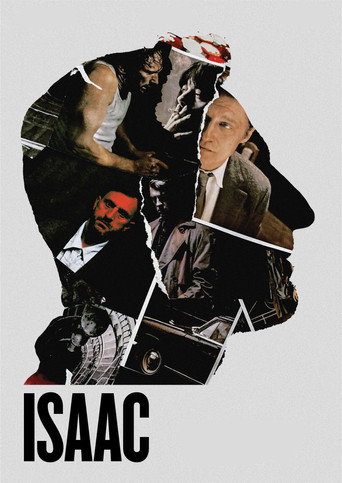
Isaac
Kaunas, Lithuania, 1941, Lithuanian activist Andrius Gluosnis kills a Jew Isaac in Lietukio garage massacre. Years after the incident Gluosnis is haunted by the guilt.

Jōhatsu
Lina, a Vilnius morgue medic who becomes fascinated by the mysterious disappearance of a sailor named Vilkas. Her obsession leads her to eerie places and disturbing encounters. The clock is ticking as Lina searches for the missing man.
Jōhatsu
Lina, a Vilnius morgue medic who becomes fascinated by the mysterious disappearance of a sailor named Vilkas. Her obsession leads her to eerie places and disturbing encounters. The clock is ticking as Lina searches for the missing man.
Exemplary Behaviour
Audrius Mickevičius puts the horribly disfigured face of his murdered brother at the start of his film. It is almost a meditation about the question whether a final act like murder can be atoned for in a temporal order – and whether the passing of time allows the victim’s family to forgive. Mickevičius uses the example of two lifers (one of them gets married and wants to have children, the other pours his whole passion into an idea of craftsmanship) and a philosopher with prison experience to make that strange state of suspended life comprehensible.
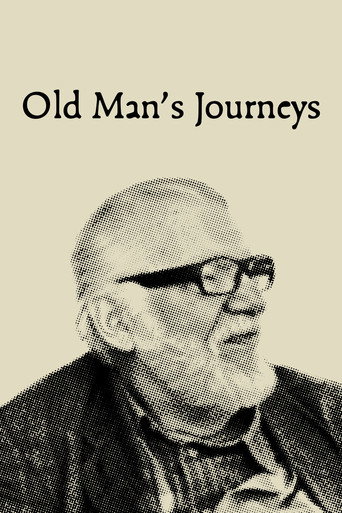
Old Man's Journeys
Legendary film actor Juozas Budraitis turns 85. Over his career, he has appeared in more than 120 films not only in Eastern and Central Europe but also in Switzerland and Italy. Film sets brought him close friendships and moments of joyful creativity. Yet today, many of his colleagues are gone, and the actor is increasingly visited by the regret of unfinished work. The Old Man’s Journey is shaped not by the structure of a traditional biographical film but by the fragmentary nature of memory. The roles he has embodied remain etched in his recollection no less vividly than the key events of his life, and so the film guides the viewer between Budraitis’s youthful memories and his most significant cinematic experiences, weaving them into a single, nostalgic stream of remembrance.
Old Man's Journeys
Legendary film actor Juozas Budraitis turns 85. Over his career, he has appeared in more than 120 films not only in Eastern and Central Europe but also in Switzerland and Italy. Film sets brought him close friendships and moments of joyful creativity. Yet today, many of his colleagues are gone, and the actor is increasingly visited by the regret of unfinished work. The Old Man’s Journey is shaped not by the structure of a traditional biographical film but by the fragmentary nature of memory. The roles he has embodied remain etched in his recollection no less vividly than the key events of his life, and so the film guides the viewer between Budraitis’s youthful memories and his most significant cinematic experiences, weaving them into a single, nostalgic stream of remembrance.
Gallery