Editing
No biography available.
Traces episodes in the lives of three Cuban women, each named Lucía, from three different historical periods: the 1890s, the 1930s, and the 1960s.
A look at the life and work of Cuban filmmaker Tomas Gutierrez Alea.
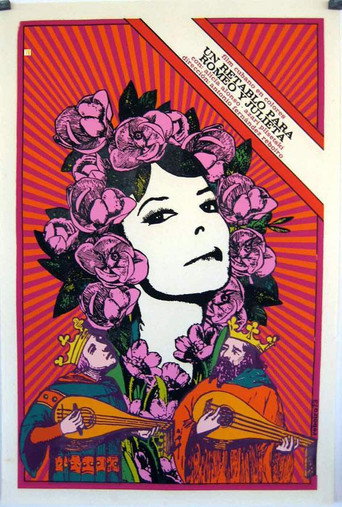
A psychedelic combination of Shakespeare, rock & roll and Catholic symbolism in the shape of a Cuban ballet.
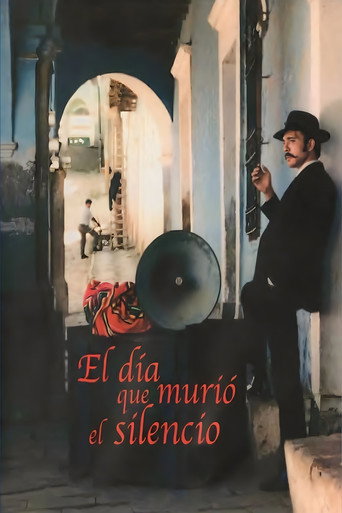
A handsome and mysterious stranger, played by Darío Grandinetti, walks into the town square of Villaserena one day and strategically places loudspeakers around the town, blaring a variety of musical tunes. Soon, he begins to sell airtime to the various locals, who broadcast their own personal love dedications and (more frequently) insults for all to hear. A subplot evolves between Abelardo (the stranger), Celeste (a young woman who is chained inside her father's house to stop her running away), and José (a young man).
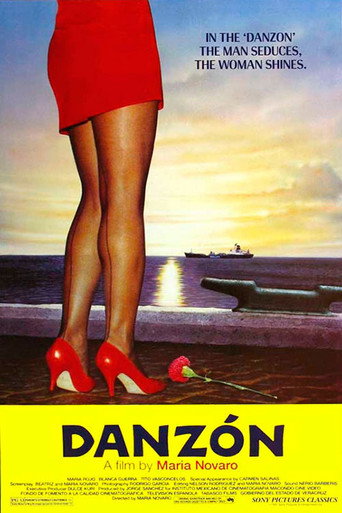
A telephone operator from Mexico City tries to support a family and her passion for popular dance.
In 1914, during World Ward I, Amada, a bourgeois wife, falls in love with her cousin Marcial, a young idealist who is fighting against the Cuban regime in power.
A young sociologist returns to Nuevitas, his hometown, to investigate the transformations taking place there, brought about by the advance of the revolutionary process. Disagreeing with the way his predecessor worked, he tries to change it and discovers the complexity of human relationships, social problems, and the sexist and racial prejudices she had to face.
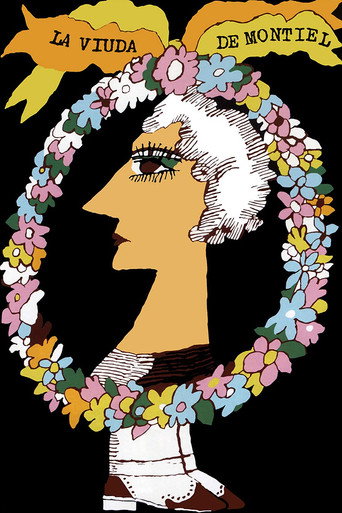
Mexican drama film directed by Miguel Littín. It is based on a short story of the same name by Gabriel García Marquez. It was entered into the 30th Berlin International Film Festival
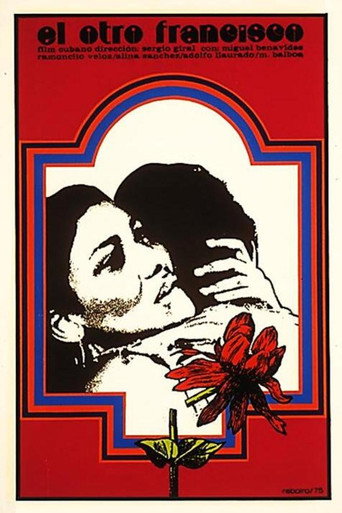
Based on the novel Francisco by Anselmo Suárez y Romero, "The Other Francisco" is a socio-economic analysis of slavery and class struggle through the retelling of the original novel. The film contrasts the romantic conceptions of plantation life found in Suárez Romero's novel with a realistic expose of the actual historical conditions of slavery throughout the Americas. It offers a critical analysis of the novel, showing how the author's social background led to his use of particular dramatic structures to convey his liberal, humanitarian viewpoint.