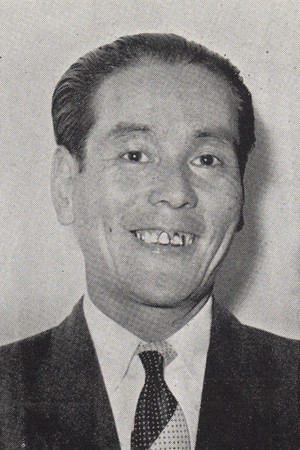
Nekohachi Edoya Movies, TV Shows, and Filmography
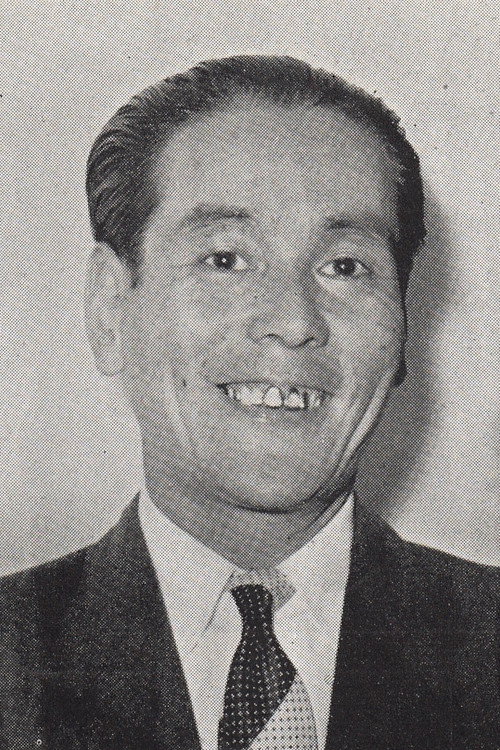
Nekohachi Edoya
Acting
Biography
Nekohachi Edoya, affectionately known as "Edo Neko," was a talented impressionist and actor who was affiliated with the Rakugo Geijutsu Kyokai (Rakugo Art Association). He was born on October 1, 1921, and his real name was Roku-ro Okada, a name given due to being the sixth son. His legacy left a lasting impact on the world of entertainment. During the tragic events of the Hiroshima atomic bombing on August 6, 1945, Nekohachi was just 23 years old and serving in the Japanese Army's Naval Artillery Regiment No. 1 (Dawn 2953 Unit) stationed in Ujina, which is now part of Minami Ward in Hiroshima City. He held the position of Corporal Rokuro Okada. On that fateful morning, he had plans to meet with actress Keiko Sonoi, an acquaintance from the traveling theater group "Sakura-tai," in Hiroshima. Unfortunately, after winning a vocal mimicry competition the previous day, he had indulged in the prize of alcohol, leading to a hangover that caused him to oversleep and miss the meeting. It was shortly after being roused from sleep by a subordinate private that he found himself thrust into the midst of the atomic bombing. (Incidentally, Sonoi was lodging near the hypocenter during the bombing and was exposed to the blast. She later evacuated to Kobe, but she sadly succumbed to atomic bomb-related illnesses on August 21, 1945.) Nekohachi's regiment was positioned in Ujina, a location over 3 km away from the hypocenter, resulting in less immediate impact from the bombing. He received orders from his superior to assess the extent of the damage near the Okihashi Bridge and communicate with the Fukiyama Naval Artillery Battalion headquarters in Hijiyama-cho. This was his first encounter with the devastating aftermath of the bombing. Subsequently, he was mobilized as part of the Dawn Unit to provide relief and medical assistance within the city. His exposure to residual radiation in the city led to persistent health issues that he grappled with throughout his life, attributed to secondary radiation exposure. The deeply traumatic nature of Nekohachi's experiences during the bombing and his subsequent involvement in relief efforts and medical work caused him to remain silent about these events for many years. However, in later years, he courageously documented his personal encounter with the bombing in works like "Soldier's Life and Pikadon" (兵隊ぐらしとピカドン) and "The Cat that Crawled out of the Mushroom Cloud" (キノコ雲から這い出した猫). It's noteworthy that Maruyama Masao, a historian and thinker, also experienced the atomic bombing as a member of the Dawn Unit, serving in the headquarters. 3rd Generation Edoya Nekohachi was renowned for his remarkable vocal mimicry abilities and acting prowess. His association with the Rakugo Art Association marked a significant contribution to the entertainment industry. His influence and legacy continue to thrive through his family members who have followed in his footsteps. (Source: Wikipedia Japan "江戸家猫八 (3代目)”)
Filmography Movies
Acting
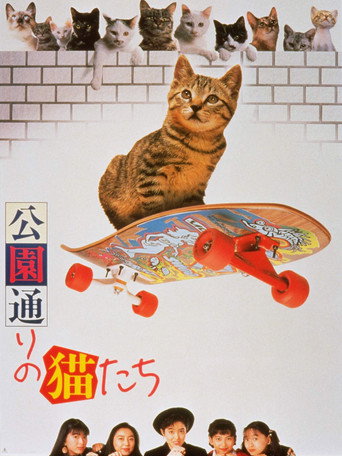
Cats on Park Avenue
A story about the lives of young aspiring dancers who strive to create their own musical about stray cats.
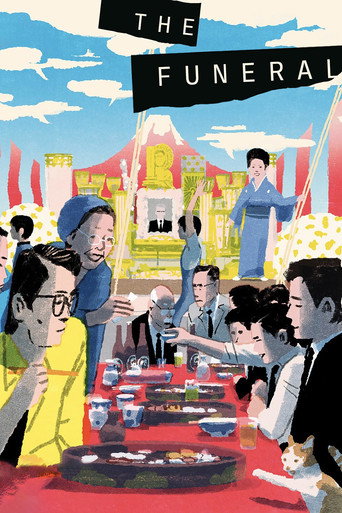
The Funeral
When Wabisuke's father-in-law unexpectedly dies, the family goes through a series of random events and occurrences as the funeral unfolds over three days in their home.
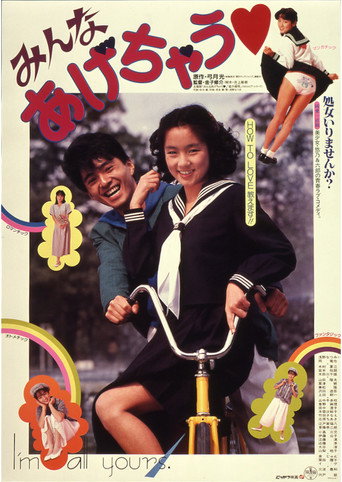
I'm All Yours
A beautiful day Rokurou, a student, was to masturbate when a beautiful girl knocks on his door: You need a girl? And so begins the story. Rokurou did not know what it was that this beautiful girl was from a millionaire family.
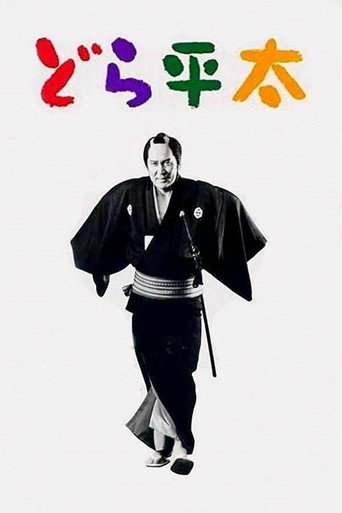
Dora-heita
A new magistrate in the town of Horisoto—widely reputed to be the most lawless township in Japan, uses guile and his opponents' own misperceptions and prejudices to defeat his enemies and uproot corruption.
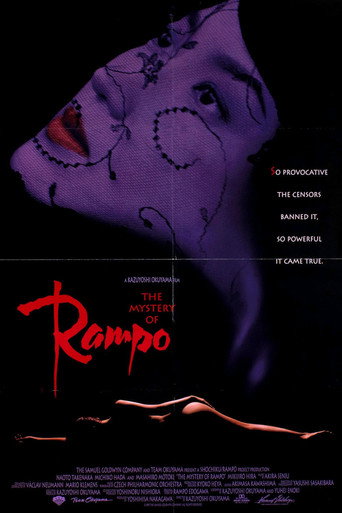
The Mystery of Rampo
Edogawa Rampo is a writer whose latest work is censored by the government, deemed too disturbing and injurious to the public to be allowed to be published. However, after burning his drafts, his publisher shows him a newspaper with an account of events just like his forbidden story. As the film progresses, fantasy and reality intermingle in a tale that draws heavily on influences from Poe and Stoker's Dracula. The film's strongly Expressionistic direction skillfully combines a variety of media (animation, computer-generated imagery, grainy black-and-white fast film stock, color negatives) for artistic effect.
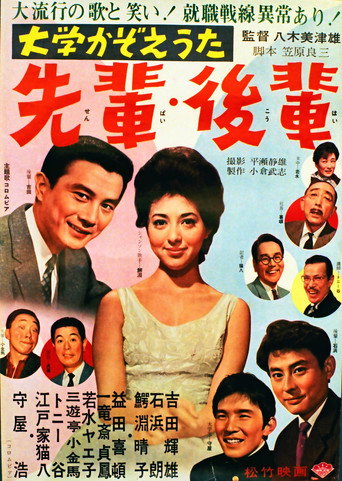
Daigaku kazoe uta senpai kōhai
1962 Japanese movie
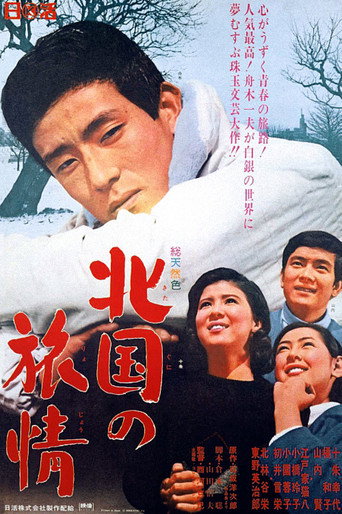
Journey to the North
Winter holidays at the university. Eikichi visits a city in the north of the country, the hometown of Yuko, a classmate for whom he has feelings. However, Yuko, having returned home, has just become engaged to a local young man, and the sudden appearance of Eikichi makes others worry that their good relationship will be spoiled. An epic about pure love, which tells the story of a man who leaves his beloved woman, praying for her happiness. Adapted from the novel "Kiri no Naka no Shojo" Yojiro Ishizaka.
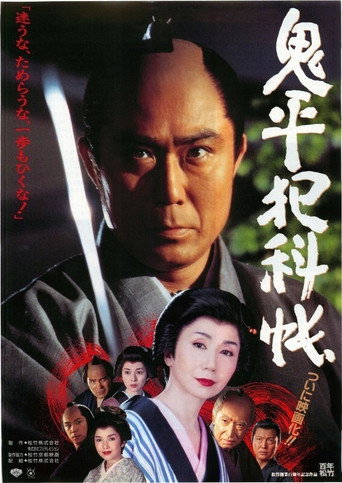
Onihei's Detective Records
A criminal syndicate wants detective Onihei dead, but the resolute hero proves to be hard to kill.
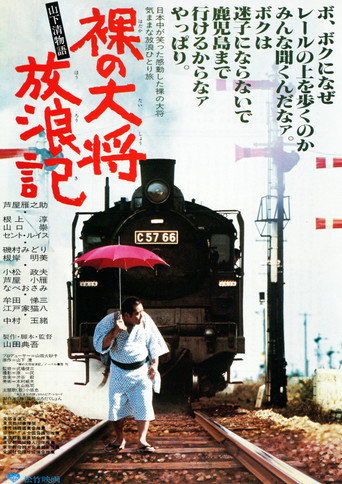
The Wandering of the Naked General: The Kiyoshi Yamashita Story
Sent to an institution for mentally handicapped children by his parents, he began creating artworks using torn strips of paper. After running away to avoid army conscription, he began his wanderings around Japan, encountering many scenes which he would recreate as torn paper art from his amazing photographic memory.
Yukko no Okurimono: Cosmos no Yō ni
1982 Japanese film directed by Tengo Yamada.
Gallery