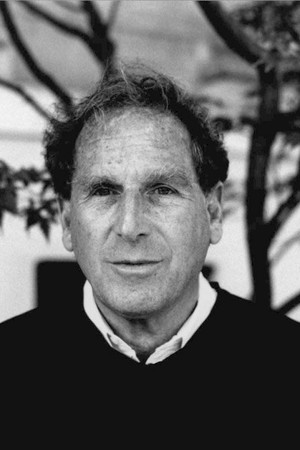
Nathaniel Dorsky Movies, TV Shows, and Filmography
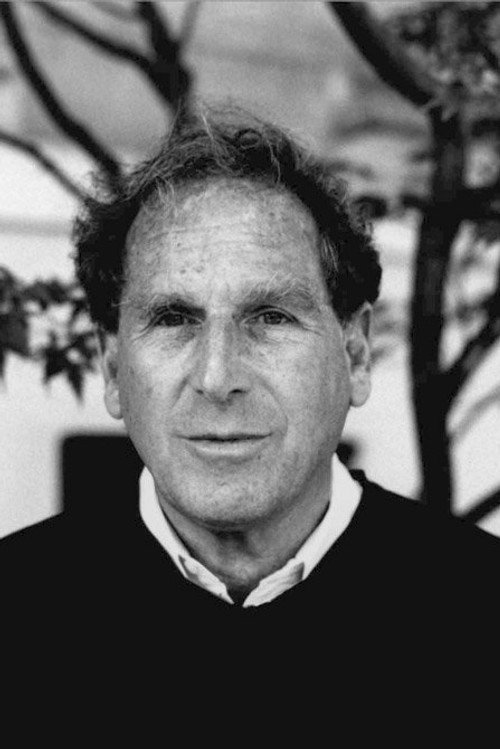
Nathaniel Dorsky
Directing
Biography
Raised in New York on a steady diet of Westerns and Disney True-Life Adventures, Nathaniel Dorsky started shooting 8mm movies at the age of eleven. In 1963, when he had just turned 20, he made Ingreen, a boldly symbolic psychodrama about a young man’s sexual coming of age. At that film’s premiere, he met soon-to-be fellow filmmaker Jerome Hiler, who would become his partner in life and a major inspiration for his work. (“We were filming for one another,” Hiler recently said.) In 1971 the two moved to San Francisco, where they’ve lived ever since. Around the same time, Dorsky entered a decade-long creative silence. He returned in 1982 with Hours for Jerome, a 55-minute feature compiled from footage shot between 1966 and 1970. Like all of Dorsky’s subsequent work, it’s a kind of cinematic lyric poem, entirely silent and rooted in a centuries-old tradition of devotional art (in this case, medieval illuminated manuscripts and prayer books). The rest of the Eighties found Dorsky experimenting with new forms and materials: 1987’s Alaya was made up entirely of footage of shifting sand, and 1983’s Ariel, which had a rare public screening at this year’s New York Film Festival, is a beautiful hand-processed film full of thin, tremulous vertical lines and see-sawing horizontals. It was with 1996’s Triste—edited from over 20 years’ worth of footage—that Dorsky, as he once put it, fully arrived at “the level of cinema language that I have been working towards.” Since then, he’s made 16 luminous, description-defying short films, each with their own distinct tones and shadings. In films like Compline (09), August and After (12), and his two most recent titles, Spring and Song, Dorsky creates what he’s often called a “floating world,” in which street scenes, household interiors, meadows, rivers and forests are transformed into playgrounds for light, color and shadow. In a field often dominated by frenetic cutting and/or prolonged stasis, Dorsky’s films unfurl gradually but steadily in a kind of hushed suspension. They’re often attempts to do with light and texture what, in his book Devotional Cinema, Dorsky praised Mozart for having done in key changes and melodic lines: to “wed [a] style to the human metabolism in every detail".
Filmography Movies
Acting
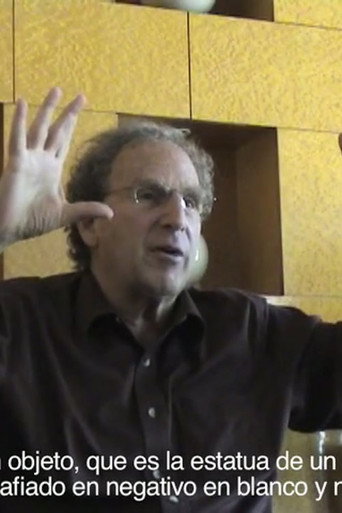
Interview with Nathaniel Dorsky
During a tour with my films in Spain last spring, I had the pleasure of being honoured with the attention of three young people who offered me the opportunity to participate in the following interview. I was touched by their seriousness, but also perceived something out of the ordinary in their project. They seemed to have no common thread and their knowledge and respect for the subject was surprising and inspiring. How could they know so much about the American avant-garde. We arranged to meet in the lobby of my hotel on Saturday a little after breakfast.
Library
Initially titled "Books for all". A moving institutional commission in which the filmmakers lovingly portray New Jersey's public library system.
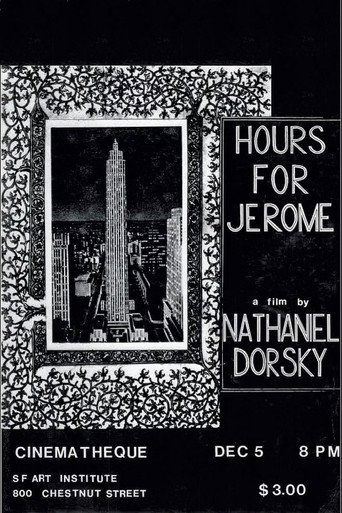
Hours for Jerome
The recording of the daily events of Dorsky and his partner, artist Jerome Hiler, around Lake Owassa in New Jersey and in Manhattan. The two parts of the films revolve around the four seasons with the first part revolving around spring through summer, while the second part revolves around fall through winter.
New Shores
NEW SHORES is a sister film to IN THE STONE HOUSE in many ways. Like the latter film, it consists of earlier footage edited in recent years. It could be seen as a sequel to IN THE STONE HOUSE especially since it begins with a cross-country journey to the West Coast, where I settled, and concludes with a visit, in 1987, to the “stone house” in rural New Jersey. Even though there is some sort of time line that can be imagined, the film stands on its own. It is simply a series of episodes that touch upon facets of living in a new area with new weather, new people, new identities and stubborn old fears. The Bolex camera goes to work across landscapes and living areas, workplaces and gatherings. A dance of images: can beauty partner with dread and death? It’s a film of the coexistences that percolate beneath the surface of ordinary events. A film of useless hopes and baseless fears.
Rembrandt Laughing
This film is a portrait of the passage of one year in the lives of some San Francisco friends, circa 1988 (before the dot.coming of the city), a slow marijuana hazed story which drifts like the fabled fog, encompassing the quirks and habits of a generation that made the city theirs, if only for a while. Very obliquely Rembrandt Laughing sketches the time and place, encompassing the AIDS epidemic, the casual sexual revolution, the debris of '68 lingering in the air. A quiet, very San Francisco comedy of life among a small group of friends. Rembrandt Laughing was improvised over the period of about a month by Jost and his friends, mostly acting non-professionals.
Nathaniel Dorsky: An Interview
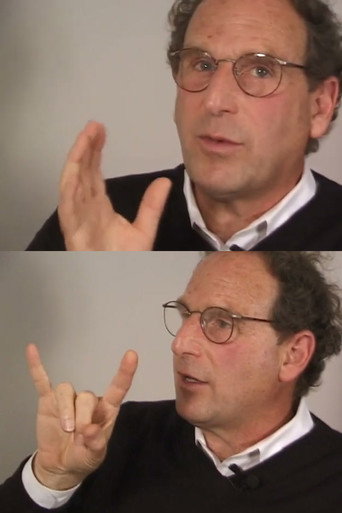
In his contribution to the On Art and Artists interview series, Nathaniel Dorsky (b.1943) begins by discussing his childhood love of the John Ford film Stagecoach and its influence upon his decision to make films while attending Antioch College. Describing the affinity he developed for work operating at the intersection of film materiality and personal language, Dorsky explains how he developed his philosophy of the “devotional film” and the “microcosmic viewer.” Dorsky likens his practice to Buddhist sculpture, referring to himself as a “Japanese poet continuing aspects of the ethos of the Marxist revolution.” In the interview, the artist describes his use of the screen as an “altarpiece for the image” and emphasizes his use of editing to create works which “harmoniously coalesce.” Interview conducted by Jeffrey Skoller in May 2000, edited in 2014.
Divided Loyalties
Warren Sonbert described Divided Loyalties as a film 'about art vs. industry and their various crossovers.' According to film critic Amy Taubin, "There is a clear analogy between the filmmaker and the dancers, acrobats and skilled workers who make up so much of his subject matter." -- Jon Gartenberg. Preserved by the Academy Film Archive in partnership with Estate Project for Artists with AIDS in 1998.
Letter to D.H. in Paris
Stoned people, music, movement, fields.
Word Is Out: Stories of Some of Our Lives
More than two dozen men and women of various backgrounds, ages, and races talk to the camera about being gay or lesbian. Their stories are arranged in loose chronology: early years, fitting in (which for some meant marriage), coming out, establishing adult identities, and reflecting on how things have changed and how things should be.
Carriage Trade
Carriage Trade was an evolving work-in-progress, and this 61-minute version is the definitive form in which Sonbert realized it, preserved intact from the camera original. With Carriage Trade, Sonbert began to challenge the theories espoused by the great Soviet filmmakers of the 1920’s; he particularly disliked the “knee-jerk’ reaction produced by Eisenstein’s montage. In both lectures and writings about his own style of editing, Sonbert described Carriage Trade as “a jig-saw puzzle of postcards to produce varied displaced effects.” This approach, according to Sonbert, ultimately affords the viewer multi-faceted readings of the connections between individual shots. Preserved by the Academy Film Archive in partnership with Estate Project for Artists with AIDS in 1998.
Production
Ember Days
Primordial spring is in the air, all is tentative.
Look Park
Look Park presents close up shots of a country stream viewed in bright sunlight. The film opens with wide shots of the park to establish the location of the water, then focuses in very tight on the abstract reflections and shadows.
Terce
Terce is the sixth film made during the Covid crises… the yellow greens of spring at last… the beginning of a greater relaxation.
Arboretum Cycle
A cycle of seven movies filmed in San Francisco Arboretum during 2017. The chronological order of them goes as follows: Elohim, Abaton, Coda, Ode, September, Monody and Epilogue. A tribute to life in the form of pure light.
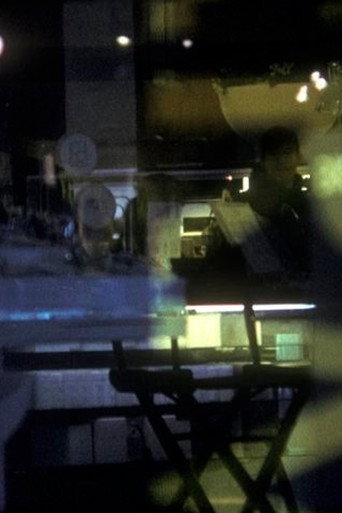
Song and Solitude
Conceived and photographed with the loving collaboration of Susan Vigil during the last year of her life, Song and Solitude is balanced more toward an expression of inner landscape, or what it feels like to be, rather than an exploration of the external visual world as such.
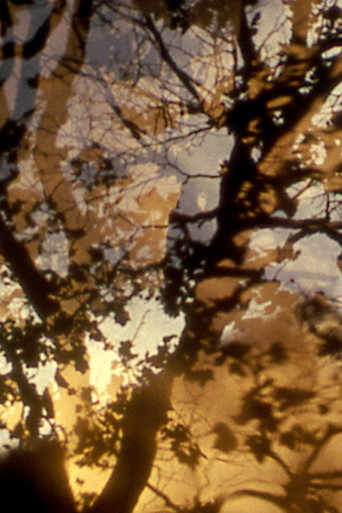
The Return
Like a memory already gone, this place of life.
Hours for Jerome
The recording of the daily events of Dorsky and his partner, artist Jerome Hiler, around Lake Owassa in New Jersey and in Manhattan. The two parts of the films revolve around the four seasons with the first part revolving around spring through summer, while the second part revolves around fall through winter.
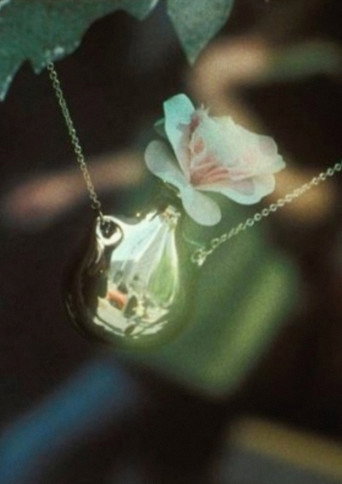
August and After
After a lifetime, two mutual friends, George Kuchar and Carla Liss, passed away during the same period of time.
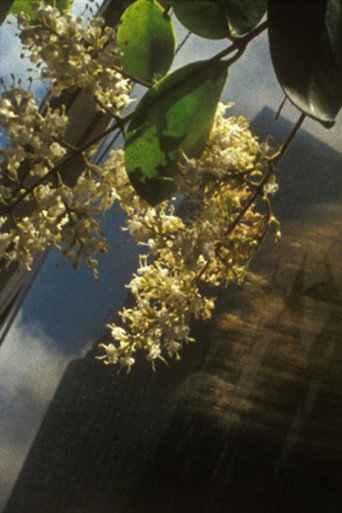
April
Following a period of trauma and grief, the world around me once again declared itself in the form of one of the loveliest springs I can ever remember in San Francisco. April is intended as a companion piece for August and After, and is partly funded by a gift from Carla Liss.
Song
Shot in San Francisco from autumn of last year through the winter solstice, Nathaniel Dorsky's Song evinces a cool, mysterious tone as it captures the pulse (supernal at 18fps) of the city.
Gallery