Acting
No biography available.
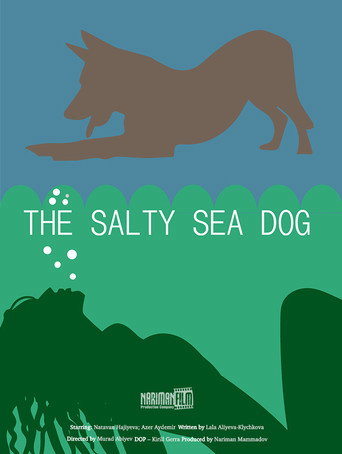
The short film tells the story of a woman who was betrayed by the man she loved and lost her unborn child. The depressed woman arrives at a deserted beach, where she becomes a silent witness to the clarification of her life story.
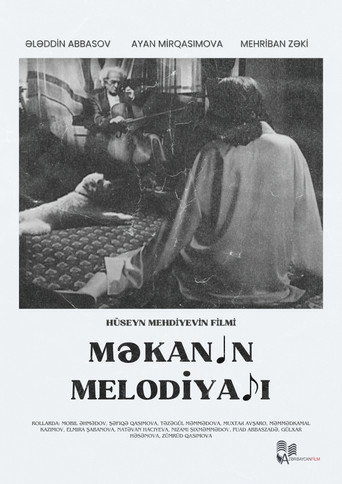
An old violinist thinks over his past life on the eve of the 80th birthday. His reflections result in looking for once composed but then forgotten melody. A chance meeting with dancer Rena takes him away to his lost love. He realizes that a person who has betrayed himself is doomed to tragic finale.
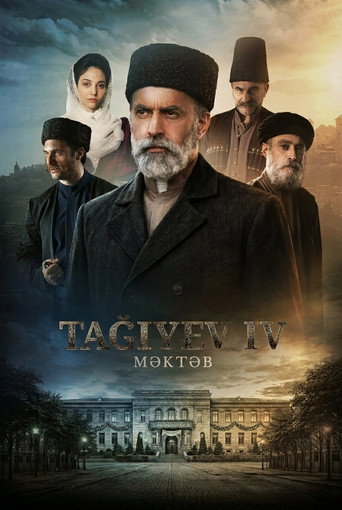
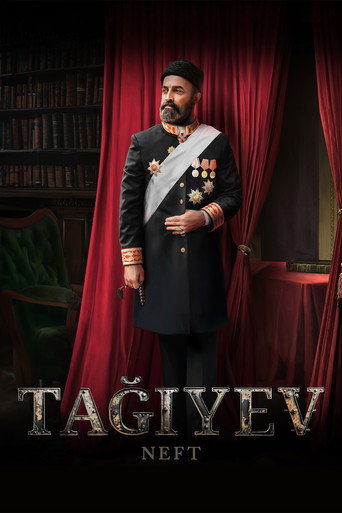
August 1922. Jerry Thompson, filled with respect, prepares to hear Haji’s story. May 1901. Haji Zeynalabdin Taghiyev works on opening the first school for Muslim girls in Baku, with support from his wife Sona. Cleric Akhund Abu Ziyad opposes the idea, sparking public debate. Reformers — Hasan bey Zardabi, Alimardan bey Topchibashev, Ahmed bey Agaev, and progressive clergy led by Mirza Abuturab — support education. The conflict escalates to attacks on teachers. Haji changes strategy and sends a representative abroad. He returns with approvals from major Islamic centers, confirming girls’ right to education. Victory is Haji’s. In October 1901, the school opens.
August 1922. An American journalist, Jerry Thompson, travels to the Soviet Union and arrives in Azerbaijan. He visits the settlement of Mardakan in Baku. There, he meets an elderly man at a villa. Thompson can hardly believe what he hears. Standing before him is Haji Zeynalabdin Taghiyev, a once-great oil producer, millionaire, and philanthropist who lost all his wealth after the establishment of Soviet rule. Haji recounts his life story to the guest, a journey that saw him rise from a humble mason to an influential oil industrialist.