Editing
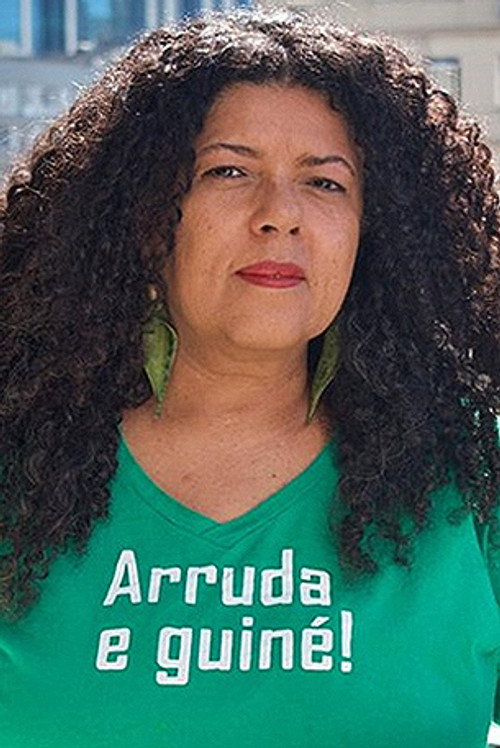
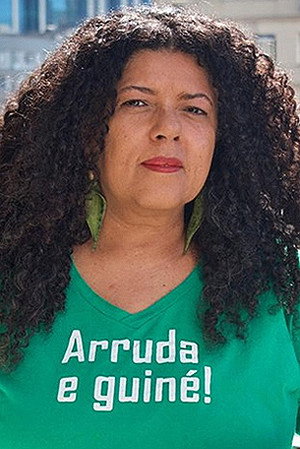
Natara Ney (Recife, 1967) is a Brazilian film editor, screenwriter and director.
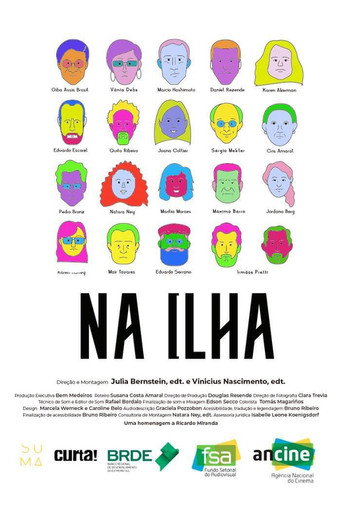
Immersive documentary in the film editing process. Twenty Brazilian cinema editors expose the nuances of this art, its secrets and processes.
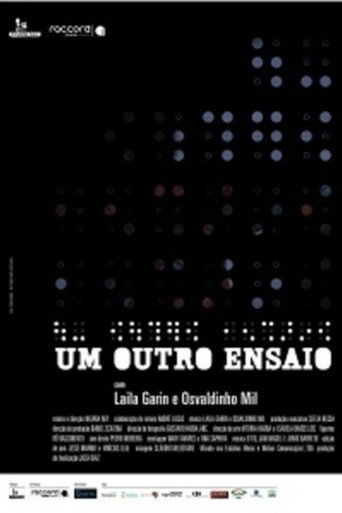
She was blinded in an accident and tries to understand the world in darkness. He does everything to take care of the woman he loves.
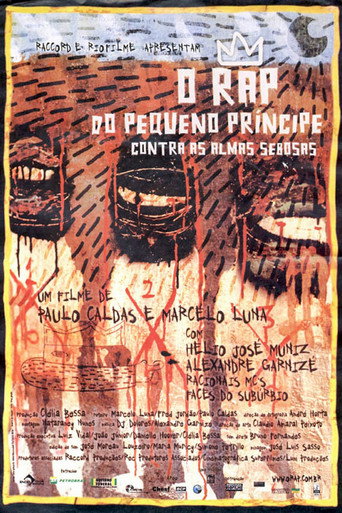
A documentary that focuses on two young male inhabitants of Recife (statistically, the fourth worst city in the world to live in) who have both reacted strongly to their situation. One has become a drummer in a rap/rock band. The other has killed forty-four people and is now in jail. Both use the term "Wicked Souls" to describe their enemies.
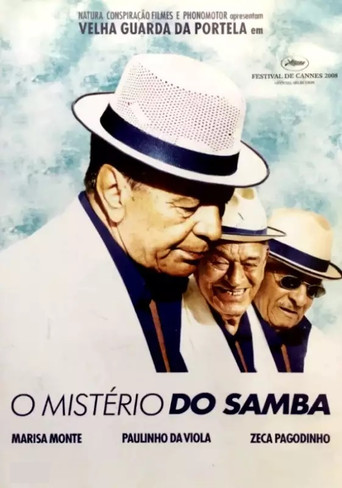
A film that depicts the everyday life and the beauty of Portela’s Old Folk – a group of veteran samba musicians who belong to one of Rio’s most revered samba schools, the one with the most first places and accolades in Rio’s Carnaval pageant. These old gentelmen’s and ladies’ musicality and poetry are unveiled through their simple, but rich and meaningful, every day life in Oswaldo Cruz, a quaint neighborhood in Rio’s North Zone, that serves both as set and as a main character in this story.
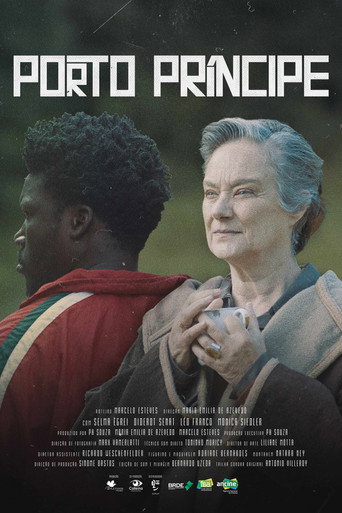
Bertha is a widow and lives alone on an isolated farm in the mountains of Santa Catarina. Beginning to face difficulties in keeping the property running, Bertha is under pressure from her son who wants her to move in with him in an upscale neighborhood of Florianópolis. Upon learning of the arrival of a group of Haitians in Santa Catarina, Bertha decides to bring the Haitian Bastide to work and live with her, fueling her son's hostility. The coexistence transforms the working relationship between Bertha and Bastide into a sincere friendship between two people from different cultures who share common ideas and feelings.
Sixteen young black people talk about the experience of going to university in Brazil after more than a decade of affirmative policies in education.
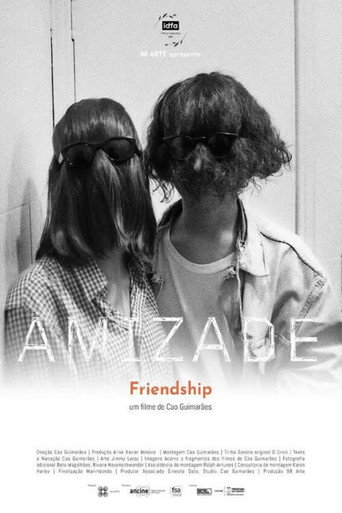
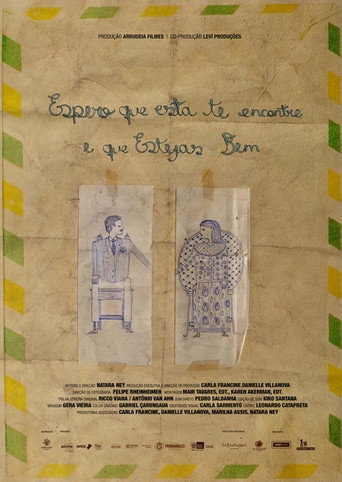
A batch of 110 love letters exchanged by two lovers in the 1950s, discovered in Mato Grosso do Sul, is the starting point for this film.
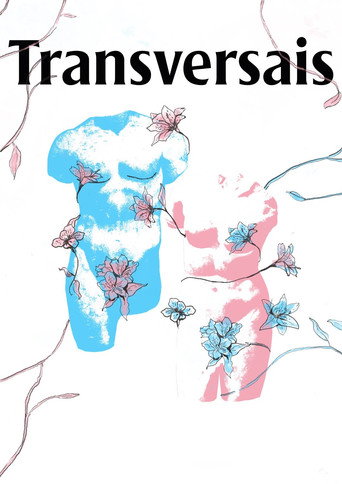
Érikah, Samilla, Caio José, Kaio Lemos and Mara all have different origins, backgrounds and social classes, but all their lives are marked by transsexuality.
A documentary on cultural identities, with an emphasis on music and African religions in Cuba and Pernambuco, Brazil, seen through the eyes of two artists: a Cuban actress and theater director, and a Brazilian “coquista” and holy mother of Pernambuco, each one visiting the country of the other. The film documents the Festival del Caribe, held annually in Santiago de Cuba, during its thirtieth edition honoring Pernambuco.
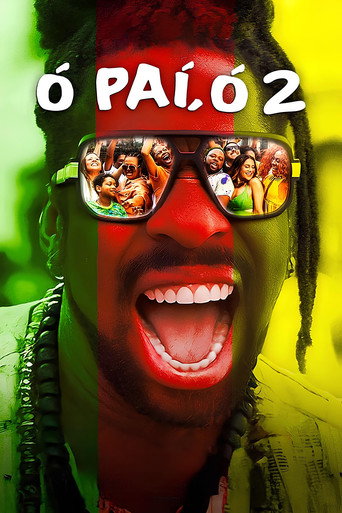
Experience Roque's routine years after the first movie. Joana's tenement is still full of parties, gossip and confusion. The neighborhood prepares for the Iemanjá party, while dealing with the controversies of the neighbors.