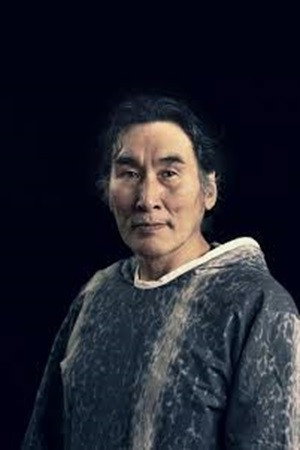
Natar Ungalaaq Movies, TV Shows, and Filmography
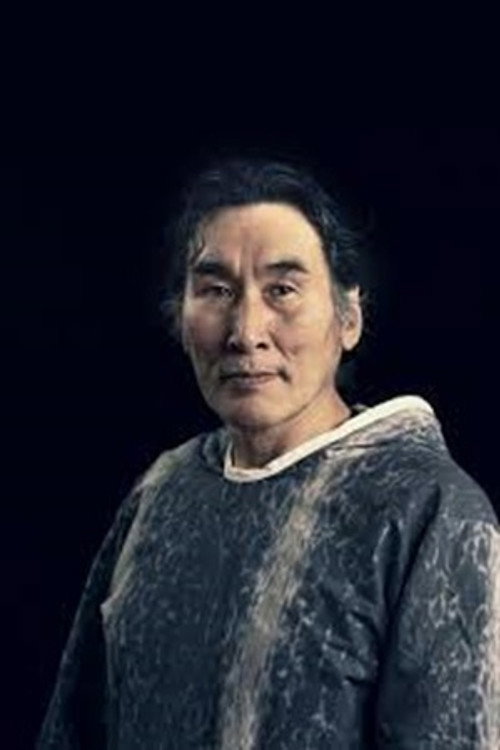
Natar Ungalaaq
Acting
Biography
Natar Ungalaaq is a talented filmmaker, actor and sculptor from Igloolik, NU. Ungalaaq began his artistic practice carving when he was a child using his grandparent’s tools, eventually selling his works to buy camera gear along with Zacharias Kunuk to start an Igloolik based production company known as Isuma Productions. Ungalaaq has acted and appeared in many films and television shows most notably starring as the lead Atanarjuat in Atanarjuat: The Fast Runner (2001), which premiered at the Cannes Film Festival. He made his directorial debut in 2016 with the film Searchers (2016). He is also a talented carver. Ungalaaq’s carvings are often made from stone and depict traditional Inuit imagery and practices. Ungalaaq has been known to also incorporate animal hair into some of his carvings, such as Sedna with Hairbrush (1985). Ungalaaq represents the goddess Sedna in white soapstone reclining on a rock with her fish like tail wrapping around the bottom of the stone. Sedna’s hair is made from fur and sticks out around her head, creating halo of red. In her right hand she holds a bone hairbrush. Ungalaaq’s sculptures are boldly carved with minimal amounts of negative space and with figures always seemingly caught mid-action. Ungalaaq has received many awards for his acting including ‘Best Actor’ from the American Indian Movie Awards in 2002, ‘Best Performance by an Actor in a Leading Role’ from the Genie Awards in 2009 and his film The Necessities of Life, or Inuujjutiksaq, was shortlisted for the 2009 Oscars under the Best Foreign Language Film category. Ungalaaq has acted, produced, directed and run cameras in countless Isuma film work. Before playing the lead role in the genre-creating, Cannes Camera D’or award-winning Atanarjuat: The Fast Runner (2001), Natar played major roles in other Canadian and American films, including Kabloonak (1994), Glory & Honor (1998), Frostfire (1994), Trial at Fortitude Bay (1994), Sleep Murder (2004), The Journals of Knud Rasmussen (2006), The Necessities of Life (2008) and Maïna (2013). He has attended multiple film festivals as an actor and director including the Cannes Film Festival. Ungalaaq’s carvings have been exhibited across Canada and are housed in major institutions including the National Gallery of Canada, Ottawa, ON. He has been written about in multiple publications including many times in Inuit Art Quarterly and has his piece Sedna with Hairbrush on the cover of the Fall 1993 issue. Most recently, Isuma TV has been chosen as an artist collective to represent Canada at the Venice Biennale Art Festival in 2018.
Filmography Movies
Acting
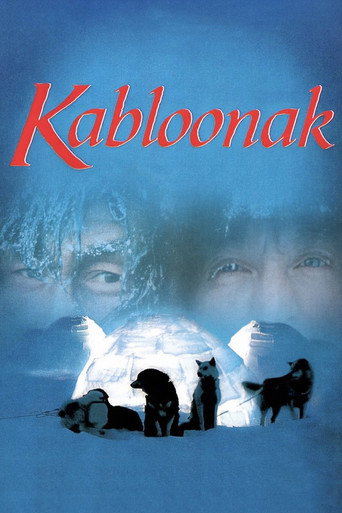
Kabloonak
In 1922 the first documentary in the genre sense came on the big screen, "Nanook of the North" (1922). Kabloonak is the story of the making of this movie for which the story was partially staged by his director 'Robert Flaherty'.
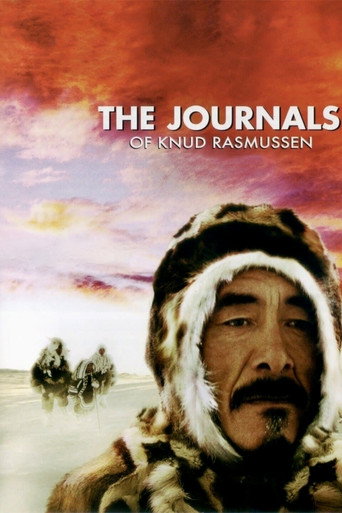
The Journals of Knud Rasmussen
Based on the journal of Knud Rasmussen's "Great Sled Journey" of 1922 across arctic Canada. The film is shot from the perspective of the Inuit, showing their traditional beliefs and lifestyle. It tells the story of the last great Inuit shaman and his beautiful and headstrong daughter; the shaman must decide whether to accept the Christian religion that is converting the Inuit across Greenland.
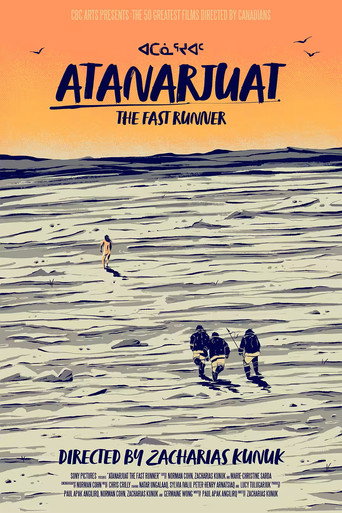
Atanarjuat: The Fast Runner
Based on a local legend and set in an unknown era, it deals with universal themes of love, possessiveness, family, jealousy and power. Beautifully shot, and acted by Inuit people, it portrays a time when people fought duels by taking turns to punch each other until one was unconscious, made love on the way to the caribou hunt, ate walrus meat and lit their igloos with seal-oil lamps.
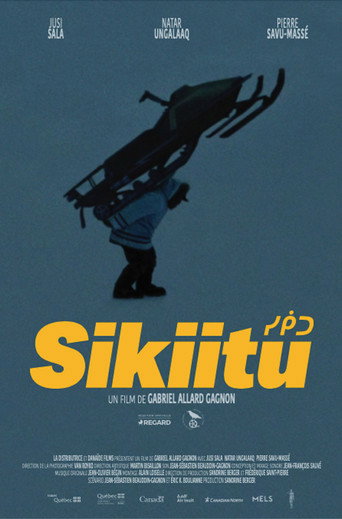
Ski-Doo
Ali, a teenage Inuit hip hop fan, lives in Ivujivik, a small Arctic village where nothing interests him. All of his problems seem to materialize in his father's old snowmobile, constantly breaking down. His only way out ? The famous Rich E. Murdoch, Ali’s favorite rapper.
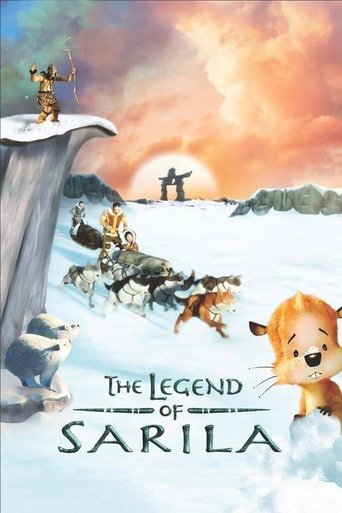
The Legend of Sarila
Three young Inuits set off in search of a promised land to save their clan from starvation.
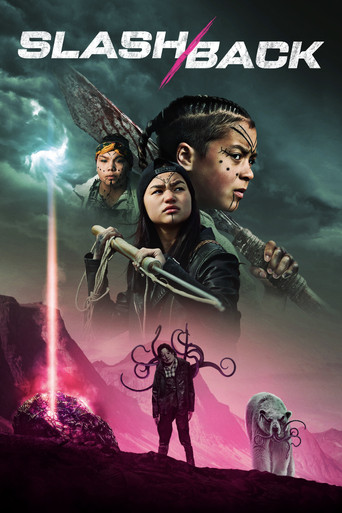
Slash/Back
In a remote Arctic community, a group of Inuit girls fight off an alien invasion, all while trying to make it to the coolest party in town.
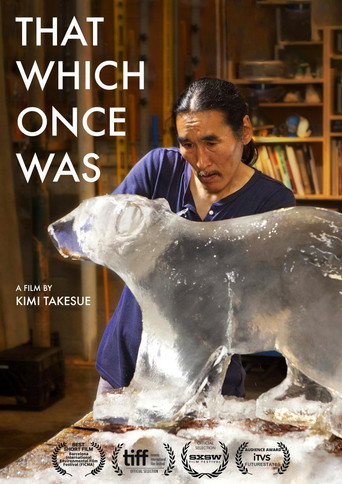
That Which Once Was
In 2032 an eight-year old boy, displaced by global warming, fends for himself as an environmental refugee in a hostile northern metropolis. Haunted by memories of flooding that left him homeless and orphaned, the boy forms an unexpected friendship with an Inuk ice carver who helps him confront his past.
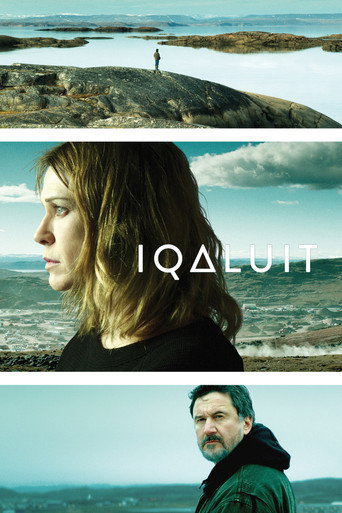
Iqaluit
Travelling to the Arctic for the first time, Carmen arrives in Iqaluit to tend to her husband, Gilles, a construction worker who has been seriously injured. Trying to get to the bottom of what happened, she strikes up a friendship with Noah, Gilles' Inuk friend, and realizes they share a similar story. Together, Carmen and Noah head out on the Frobisher Bay - she, looking for answers to her questions; he, trying to stop his son from committing what can't be undone.
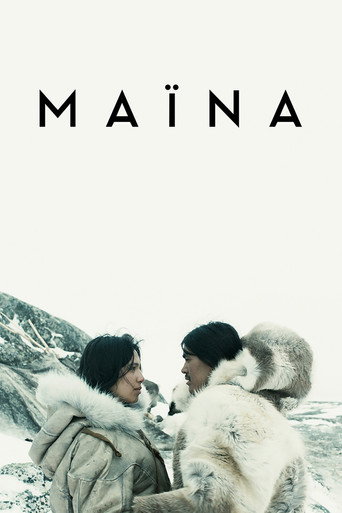
Maïna
Maïna is the daughter of the Innu leader Mishtenapuu, who attends a bloody confrontation between his clan and the clan of "Men of the Land of Ice." Following this confrontation, Maïna chooses a mission that will change her life. To fulfill the promise that she has made to her friend Matsii on her deathbed, she embarked on the trail of their enemies to deliver Nipki, a 11 year old boy that the Inuit have captured. But she was also taken as prisoner by Natak, the leader of the Inuit group, and forcibly taken to the Land of Ice.
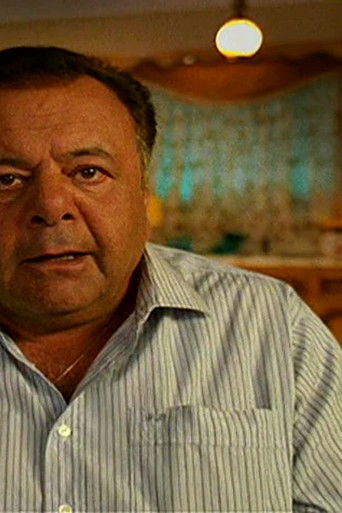
Weird Sex and Snowshoes: A Trek Through the Canadian Cinematic Psyche
This compelling documentary explores Canadian film culture and tries to discover what defines Canadian film through interviews with notable filmmakers.
Gallery