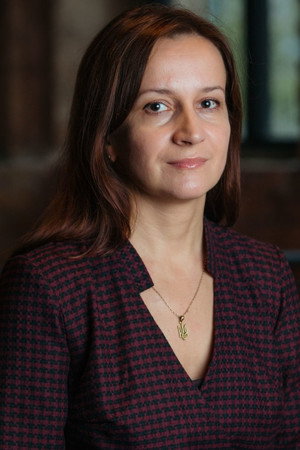
Nataliia Vorozhbyt Movies, TV Shows, and Filmography
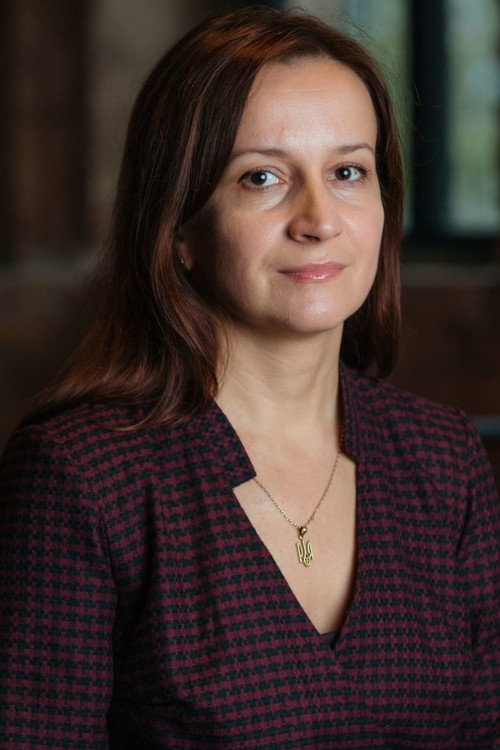
Nataliia Vorozhbyt
Writing
Biography
Nataliia Anatoliivna Vorozhbyt, born 4 April 1975, is a Ukrainian playwright, screenwriter and director. Vorozhbyt prefers to be referred to professionally as Natalka, the diminutive form of her name. Vorozhbyt graduated in 2000 from the Maxim Gorky Literature Institute in Moscow. She has also studied at the Iowa Writers Workshop. She was a Visiting Fellow and Ukrainian Writer in Residence at St Hugh's College, Oxford for the 2023-24 term. She was named a member of PEN Ukraine in May 2024. Over the years she has written her scripts in both Russian and Ukrainian. This however increasingly caused her pain. Speaking to a reporter for The Moscow Times in 2014, she said, "In connection with the anti-Russian mood, many of my Ukrainian friends have purposefully switched to Ukrainian exclusively. The pain and hurt and protest that I feel make me want to do the same. I very much feel that moment has arrived. Then I think, damn it, Russian is my language, too. Why should I have to give it up? I love it. I write in it. Protest against myself? I won't do that." However, by the following year she was writing almost exclusively in Ukrainian. Together with German director Georg Genoux she founded the Theater of the Displaced, where refugees from Donbas could tell their stories,and curated the Class Act project. She wrote the screenplay for the feature film Cyborgs about the defense of Sergei Prokoviev Airport near Donetsk, where Ukrainian soldiers fought for 242 days against separatists. Vorozhbyt traveled through the war zone for four months and spoke with those involved. The war situation in Ukraine is a frequent theme in her work.
Filmography Movies
Acting
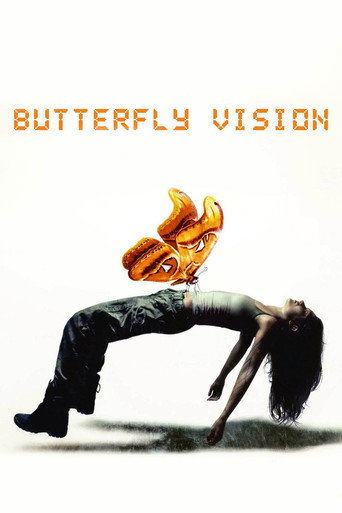
Butterfly Vision
After spending months as a prisoner in Donbas, Ukrainian aerial reconnaissance expert Lilia returns home to her family. But the trauma of captivity continues to torment her and surface in dreamlike ways. Something growing deep within Lilia will not allow her to forget, yet she refuses to identify as a victim and will fight to liberate herself.
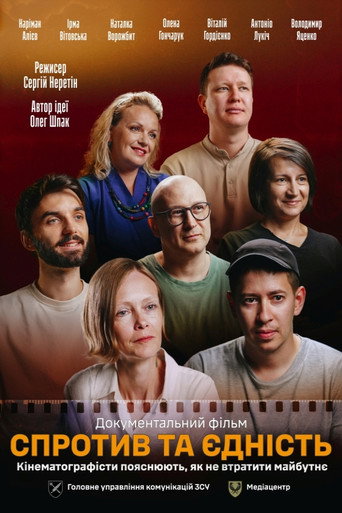
Resilience and Unity. Filmmakers Explain How Not to Lose the Future
The film analyzes the importance of cinema in the context of hybrid warfare and highlights the role of filmmakers in shaping national consciousness, serving as a cultural foundation for the country, and supporting Ukraine on the international stage.
Production
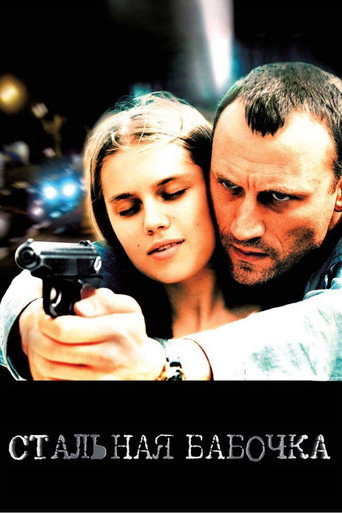
Steel Butterfly
A story about a homeless teenager Chuma and her relationships with police.
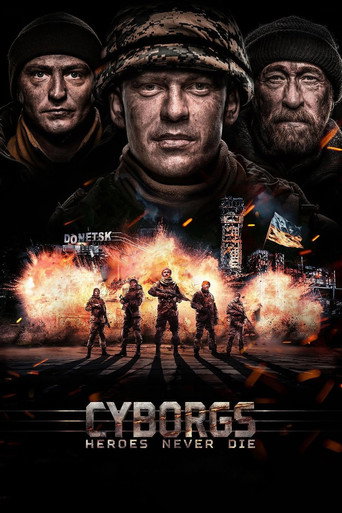
Cyborgs
‘The Cyborgs’ is re-telling the recent history of Ukraine – the legendary fight for Donetsk Airport in 2014 during Russian invasion. The freedom fighters from various divisions of Ukrainian army and volunteer battalions took a 242-days stand against the Russian backed militants until the complete destruction of the airport’s terminal.
Beautiful Woman
Plot of the film is built around a betrayal... He charmed her, She thought it must be love and responded mutually, but soon after a bitter disappointment has come: He audaciously betrayed Her, naїve and trusting. A betrayal appeared so intolerable that She decided to emigrate. Is “She” Ukraine?..
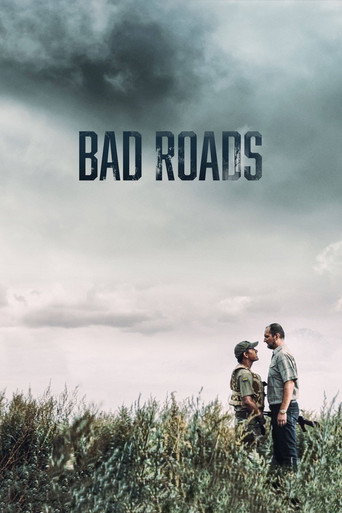
Bad Roads
Four short stories are set along the roads of Donbass during the war. There are no safe spaces and no one can make sense of just what is going on. Even as they are trapped in the chaos, some manage to wield authority over others. But in this world, where tomorrow may never come, not everyone is defenseless and miserable. Even the most innocent victims may have their turn at taking charge.
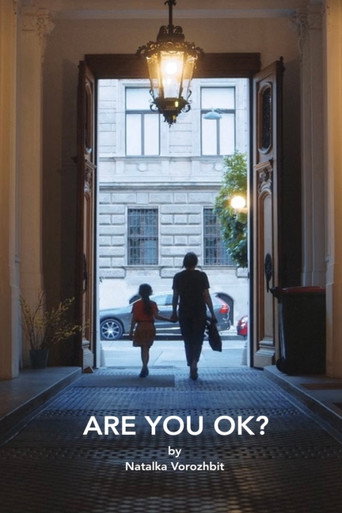
Are You OK?
A short story about the post-traumatic experience of Ukrainian refugees in Europe after being occupied by Russian troops in the spring of 2022.
Are You OK?
A short story about the post-traumatic experience of Ukrainian refugees in Europe after being occupied by Russian troops in the spring of 2022.
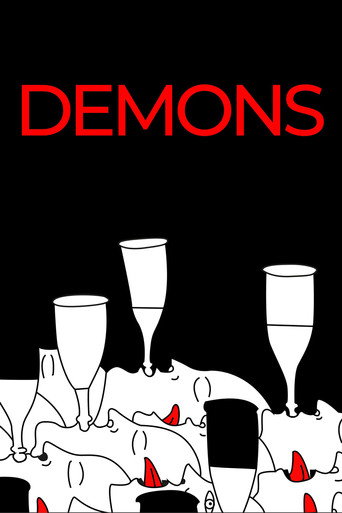
Demons
A man with a stack of pulp fiction arrives in a village in the Poltava region. Locals know that his name is Slavik, that he comes from Russia, and that he doesn't drink alcohol. Otherwise, he's just like anybody else. He's just a mediocre person. He meets a bright personality in the village. She's a widow called Nina, a local producer of moonshine. Nina is about 20 years older than him. She has a past, she's nervous, but her charisma and vitality attract people. Slavik was also attracted by this. It wasn't easy for them to be together. She loved with passion and was jealous. She wanted him to dig potatoes, not to read, and to booze with her. He learned how to do only the last thing. He had thought he would spend a winter with her and then leave. But no way. Slavik returned to Nina many times as if he was tied to her with some invisible threads. He can't explain his affection for her by anything other than mysticism.
Demons
A man with a stack of pulp fiction arrives in a village in the Poltava region. Locals know that his name is Slavik, that he comes from Russia, and that he doesn't drink alcohol. Otherwise, he's just like anybody else. He's just a mediocre person. He meets a bright personality in the village. She's a widow called Nina, a local producer of moonshine. Nina is about 20 years older than him. She has a past, she's nervous, but her charisma and vitality attract people. Slavik was also attracted by this. It wasn't easy for them to be together. She loved with passion and was jealous. She wanted him to dig potatoes, not to read, and to booze with her. He learned how to do only the last thing. He had thought he would spend a winter with her and then leave. But no way. Slavik returned to Nina many times as if he was tied to her with some invisible threads. He can't explain his affection for her by anything other than mysticism.
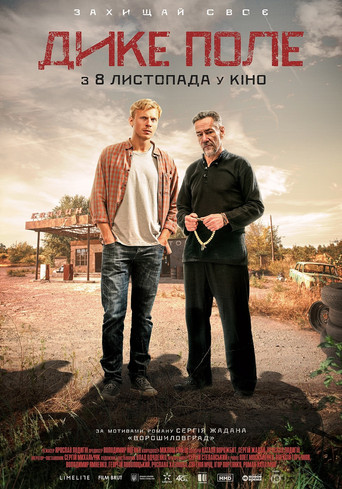
The Wild Fields
The protagonist, Herman has to come back to his native Donbas after years spent away. He has to look into the case of his brother’s sudden disappearance. Herman meets real and unreal characters, his childhood friends and the local mafia. And suddenly, to his own surprise, he decides to stay in his native town with people who love and believe him and need his defense.
Bad Roads
Four short stories are set along the roads of Donbass during the war. There are no safe spaces and no one can make sense of just what is going on. Even as they are trapped in the chaos, some manage to wield authority over others. But in this world, where tomorrow may never come, not everyone is defenseless and miserable. Even the most innocent victims may have their turn at taking charge.
Gallery