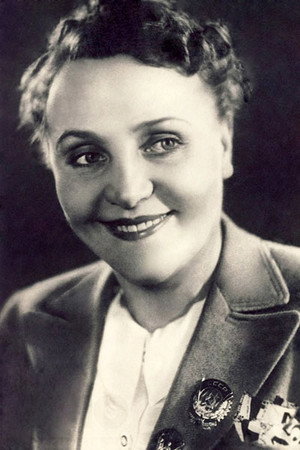
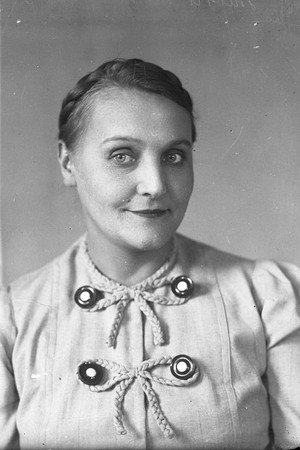
Nataliia Uzhvii Movies, TV Shows, and Filmography
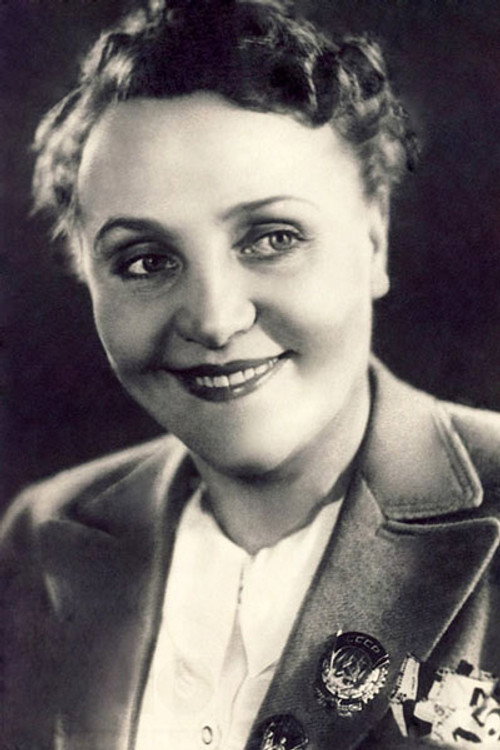
Nataliia Uzhvii
Acting
Biography
No biography available.
Filmography Movies
Acting
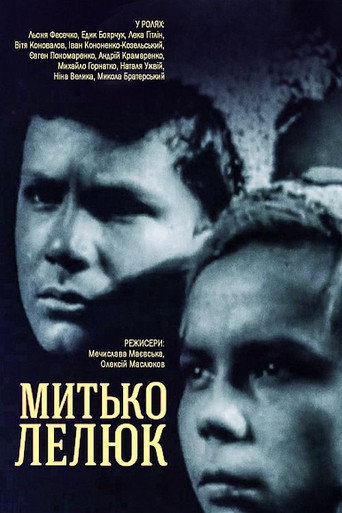
Mytka Lelyuk
A propaganda film about the participation of children in the partisan movement.
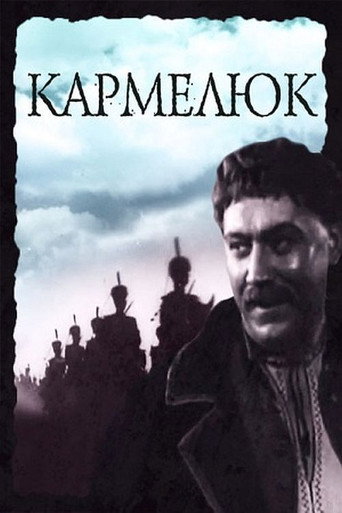
Karmeliuk
About the struggle of serfs and soldiers of the Right-Bank Ukraine, led by the folk hero Karmelyuk (Ustim Karmalyuk, 1787-1835), against the haidukas of Podillya and the Pan's yoke.
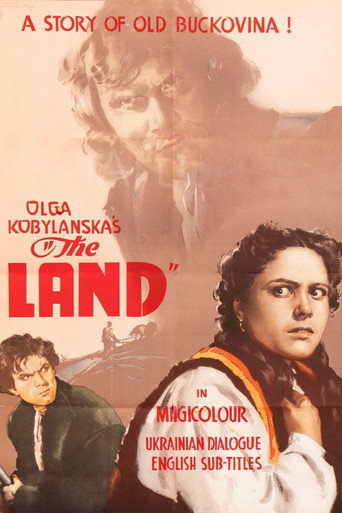
Earth
XIX century. The village of Dymka in Bukovina. The wealthy peasant Ivonic and his wife Maria have two sons - Mykhailo and Sava. Mykhailo has fallen in love with Anna, and is afraid to confess to his parents because it is not known how they will react. Sava fell in love with Rahira, who has a bad reputation in the village. She incites Sava's hatred towards his older brother Mykhailo, because he should get a better land.
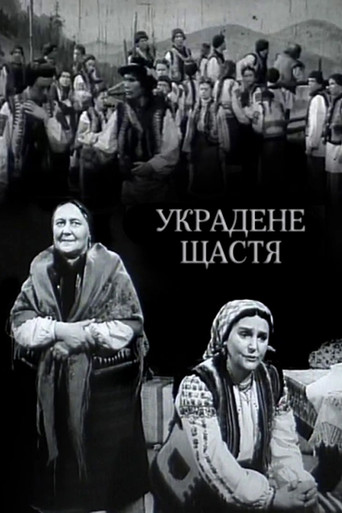
Stolen Happiness
Based on a play by Ivan Franko. Anna married Mykola, but does not love him. She likes young Michael. Against the background of the picturesque Carpathian mountains in the nineteenth century unfolds the eternal drama of love and jealousy.
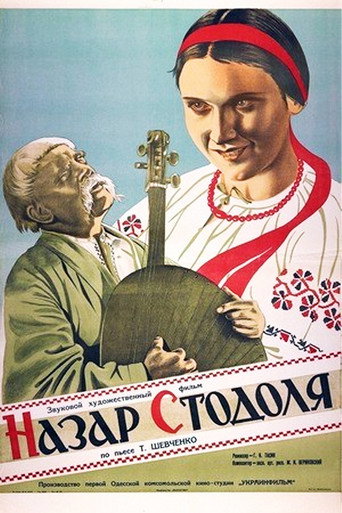
Nazar Stodolya
In the first half of the 17th century, the peasant Nazar Stodolya, sentenced to death by the Polish magnate Haletsky, is rescued by his friend Hnat. Later, Nazar and Hnat find themselves in the estate of the Ukrainian centurion Kichaty. The centurion, having invited a priest, persuades the fugitives to sign a paper stating that they have voluntarily been assigned to Kichaty's estate. Hnat does not sign the paper, and Nazar, falling in love with the owner's daughter Halia, easily puts his signature and thus falls into another bondage. Soon, Hnat leads the people's struggle against the oppressors, and Nazar and Halya join the rebels.
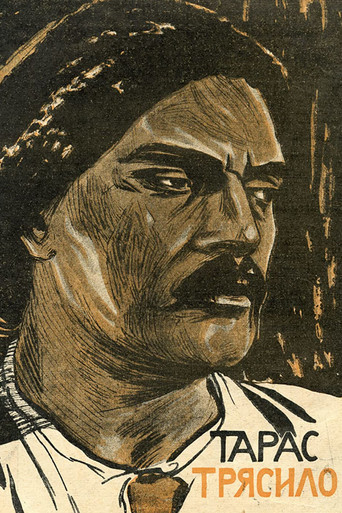
Taras Tryasylo
It's the 17th century, when social antagonism is at its peak. The poverty of peasants and poor Cossacks is opposed to the lavish lifestyle of the Ukrainian and Polish noblemen, priests, and Cossack officers. Cossacks fight off Tatars’ attacks, however, they start to realise that the real enemy is much closer. Taras Triasylo raises Cossacks to help the rebellious peasants.
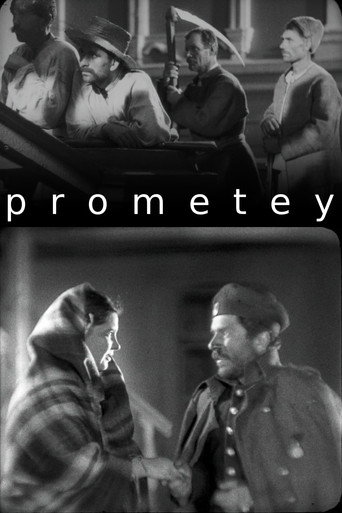
Prometey
A young man, Ivan, is forcefully mobilised and sent to fight in the Caucasian War as a soldier of the Russian Empire by his landlord, leaving his wife behind. In the Caucasus, Ivas experiences the fierce local resistance to the Russian military, and returns home to launch an uprising against the Russian government.
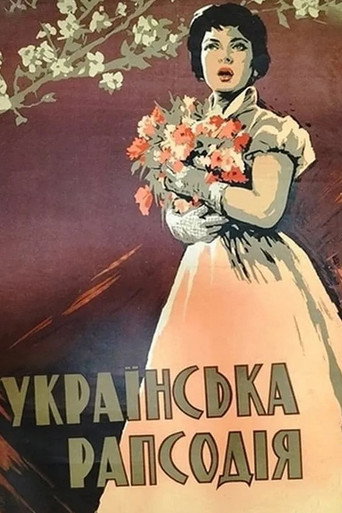
Ukrainian Rhapsody
World War II separates lovers Oksana and Anton. The young man is taken prisoner by the Germans, while his beloved abandons her studies at the conservatory to become a frontline nurse. Despite all the hardships, their paths cross again.
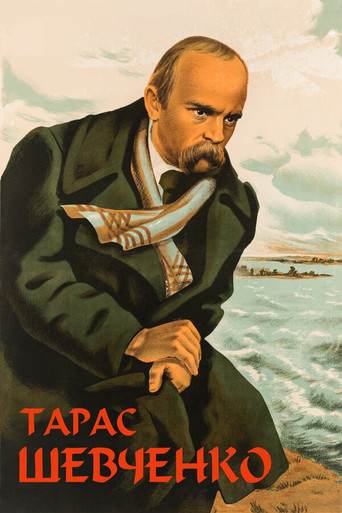
Taras Shevchenko
Growing up in a Ukrainian peasant family, knowing all hardships of serf life, young artist and poet Taras Shevchenko in the years of study clearly identifies the meaning of true art, which is to serve the interests of the people. The poems of Shevchenko are imbued with love for the common people. Fiery freedom-loving creativity of Taras Shevchenko is known throughout Russia. Nicholas I exiles the poet to the distant Caspian fort where he is to serve as an ordinary soldier and is banned from writing or drawing. In the poet's difficult days he has the support of Ukrainian soldier Skobelev, Polish revolutionary Sierakowski, captain Kosarev and the commandant of the fortress, Uskov. For the sake of his release Chernyshevsky and Dobrolyubov are hard at work. And so, the sick and aged Shevchenko is finally free. Together with Chernyshevsky and Dobrolyubov, he dreams of a bright future of the motherland, when the Russian and Ukrainian peoples throw off the chains of slavery.
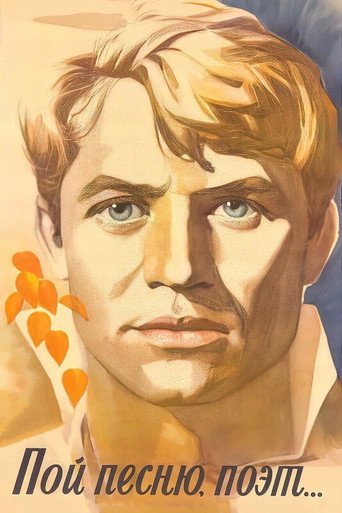
Sing a Song, Poet
About the life and work of the poet Sergei Yesenin, his connection with his native country, its people and nature. Childhood, love, painful searches for his place in the new, revolutionary Russia — everything found a place in Yesenin's lyrics. Frames illustrating Yesenin's poetry and poems are side by side in the film with episodes of the poet's biography: the film reflects the days of his stay in America, World War I, revolution and village round dances, a daring uncle, a wise mother...
Gallery