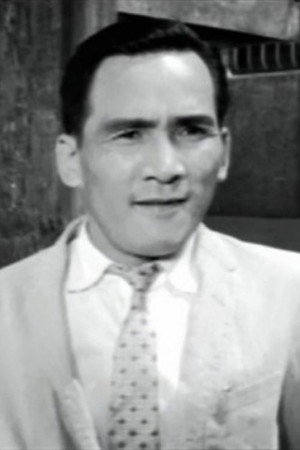
Nam Chun-yeok Movies, TV Shows, and Filmography
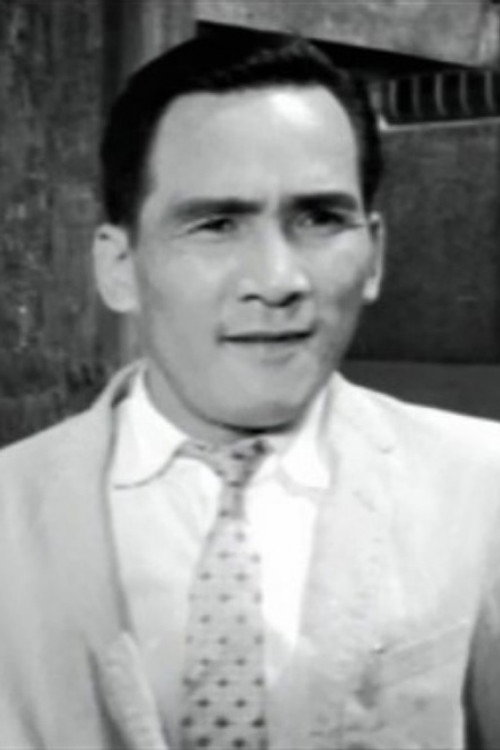
Nam Chun-yeok
Acting
Biography
Nam Chun-yeok (1923 - 1963) was a South-Korean actor.
Filmography Movies
Acting

Aimless Bullet
Two brothers—Chul-ho, an accountant with a toothache and a pregnant wife, and Yong-ho, an unemployed ex-soldier wounded in battle—navigate life in post-war Korea.
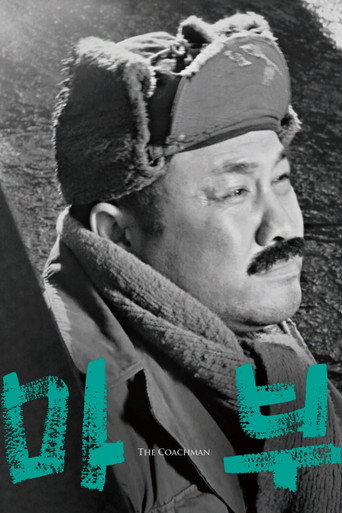
The Coachman
A man tries to raise his two sons and two daughters under some of the most adverse conditions known to man. The father operates a horse-drawn cart, but in a city that is modernizing after the destruction of the Korean War, automobiles are making carts obsolete. The children are experiencing difficulties as well. The eldest son has flunked the bar exam twice and is not hopeful of passing it a third time to become a lawyer. The eldest daughter is mute and married to an abusive husband. The younger daughter tries to pose as a rich university student to move up in life. The youngest son has a penchant for petty theft.
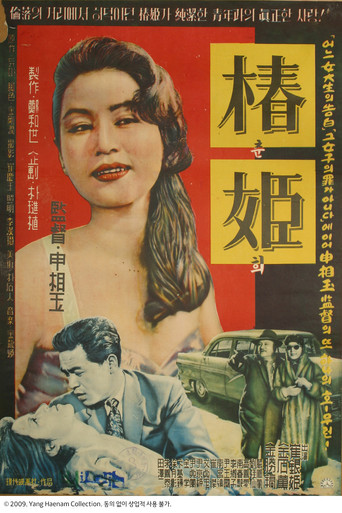
Chun Hui
A young man is in love with a waitress, but his father opposes their relationship. The father approaches the waitress telling her that if she truly loved his son, she would abandon him. She submits to the father's wish, though she is dying from tuberculosis.
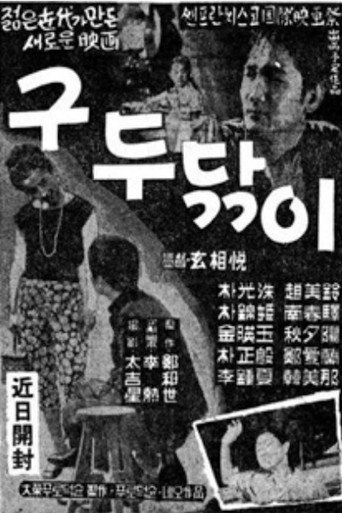
A Shoeshine Boy
Following the death of his parents, Yeong-cheol shines shoes in the streets, struggling to care for his sick younger sister Yeong-hui and make ends meet. Despite the persuasive efforts of low-life criminal boss Wang-cho, pickpocket Jjang-gu, and prostitute Mi-hwa, Yeong-cheol vows to lead an honest life by looking after Yeong-hui with cigarette salesgirl Myeong-sun and helping newly arrived shoeshine boy Dong-seok settle in. However, a tragic accident forces Yeong-cheol to make an important decision that may change his life. ※ Sharing the same Korean title with Vittorio De Sica’s classic Shoeshine (1946), this film was noted at the time of release for its strong neorealistic approach. All of the picture elements have been lost and only 4 original sound negative reels (around 40 minutes) survive today. The plot summary and scene descriptions have been added in the form of title cards as well as a selection of production stills to aid the viewing experience.
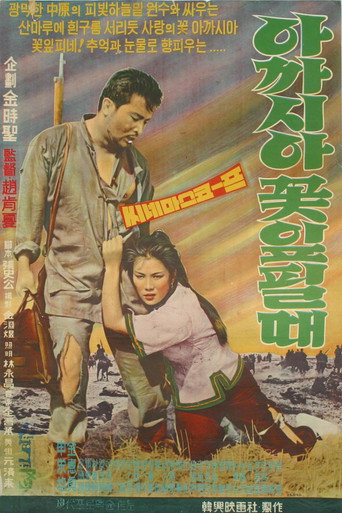
When Acacias Bloom
A man assists a woman in danger, but through her actions, she unintentionally causes his death. Everyone in the village knows that she visits his tomb every spring, but no one knows the details of her story.
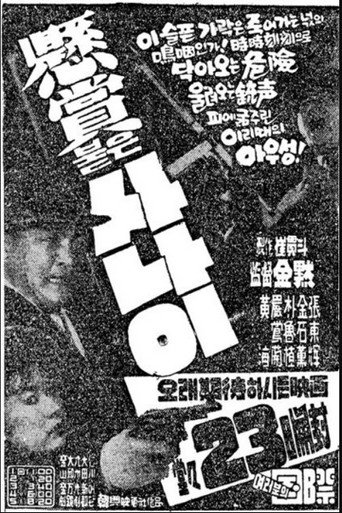
A Wanted Man
In order to gain revenge on the killers of his parents, a man joins an organized crime ring as a hit man. The brutality of his slayings in his quest for vengeance makes him a man that the police desperately want to collar. ※ Only the first 32 minutes of the film currently exist today. The plot summary has been added in the form of title cards to aid the viewing experience.
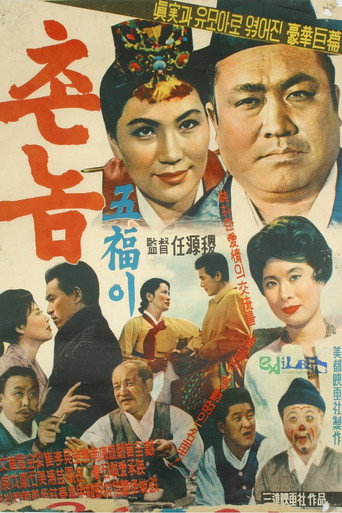
Bumpkin Oh-bok
Kind-hearted country bumpkin O-bok leads a simple life working as a long-time farmhand for the rich landlord Soon-young. When Soon-young discovers that his son Jae-seok has fallen for local girl Soon-yi, he protests the relationship and arranges for Soon-yi to be wed to O-bok instead. Despite the initial heartbreak, Soon-yi grows fond of O-bok over time and they have a daughter together named Sook-hee. However, when Jae-seok returns into Soon-yi’s life, she cannot resist his charms and runs away with him, leaving Jae-seok to raise Sook-hee on his own. Years later, Sook-hee is now a grown woman working in the city and in close contact with her father. However, a series of coincidences threaten to forcibly reunite O-bok and Sook-hee with Jae-seok and Soon-young in the most dramatic way possible.
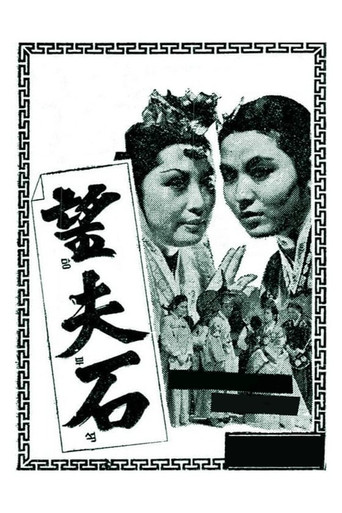
For My Husband
His own father had hated Crown Prince Sado. The king finally orders to kill him by locking him up in a rice-chest. After his death, his wife Hong goes with her son to her parents' house to live there. Some high officials in the court constantly try to harm Sado's son because they don't want him to become king. But Hong's wisdom saved her son, who grows up to become the 22nd king of the Joseon Dynasty (1392-1910).
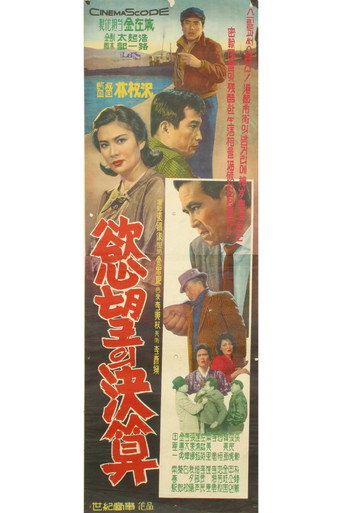
The Result of the Ambition
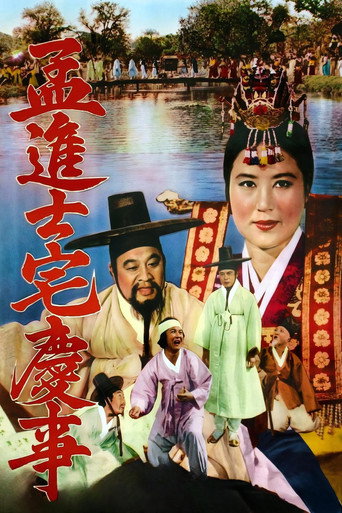
A Happy Day of Jinsa Maeng
Jinsa Maeng's daughter is contracted to marry a nobleman's son, however, Jinsa Maeng is upset when he hears about a rumor that the fiance of his daughter is lame. Finally, he decides to take on the idea of arranging his maid to take his daughter's place in the wedding.
Gallery