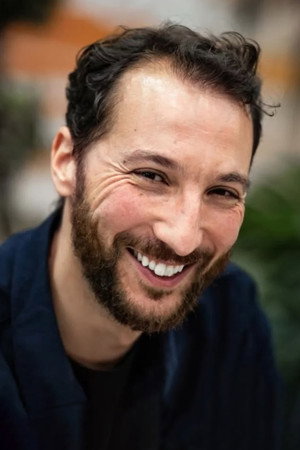
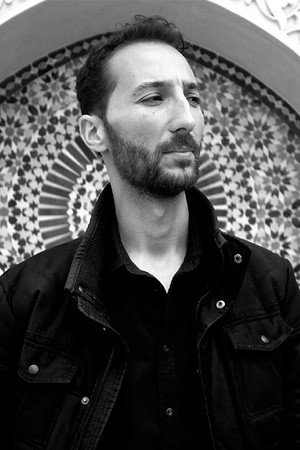
Nabil Djedouani Movies, TV Shows, and Filmography
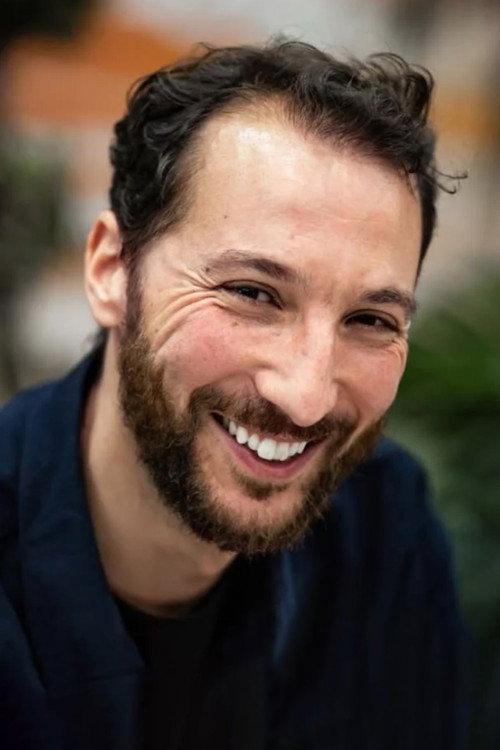
Nabil Djedouani
Directing
Biography
Nabil Djedouani, born in Saint-Etienne in 1984, is a French-Algerian director, actor and researcher. After a Master II in cinema studies at the Louis Lumière University in Lyon, he co-directed a documentary film with Hassen Ferhani entitled Afric Hôtel (2010). He then worked with filmmaker Rabah Ameur-Zaïmeche as an assistant director and actor for the films Histoire de Judas (2015) and Terminal Sud (2019). In 2012, he created the Algerian Cinema Digital Archives site to make forgotten Algerian cinematographic works that he collects and restores available to everyone on his Facebook page and his YouTube channel. Then he began research and dissemination work around Algerian music via the Raï & Folk platform. In 2019, he produced a documentary essay entitled Rock Against Police. In 2022 he obtained a professional qualification certificate as a digital image restorer from the National Audiovisual Institute.
Filmography Movies
Acting
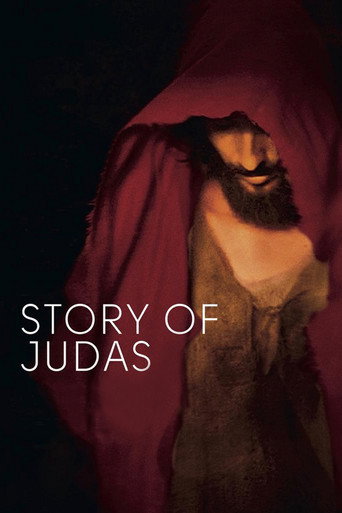
Story of Judas
A man ascends a barren summit. It is Judas, come to collect Jesus and carry him down the mountain on his back, joking and panting as he does so. After bathing in the river and taking part in a henna ceremony, Jesus leaves for Jerusalem. Judas is concerned for his friend’s safety, since the Roman occupiers look upon the prophet as an insurgent.
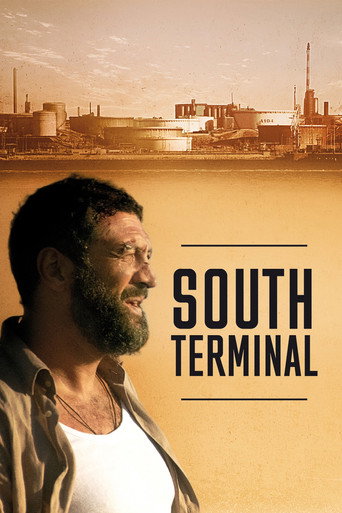
South Terminal
In a Mediterranean country plunging into armed conflict, a doctor tries to do his duty against all odds, until the day his destiny is turned upside down…
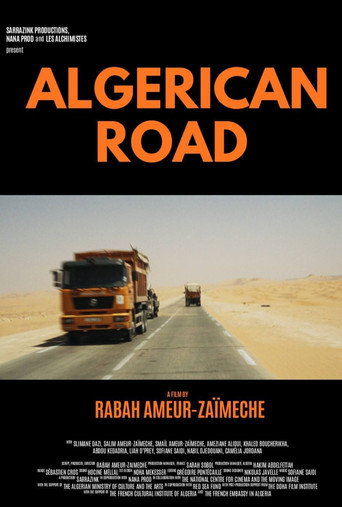
Production
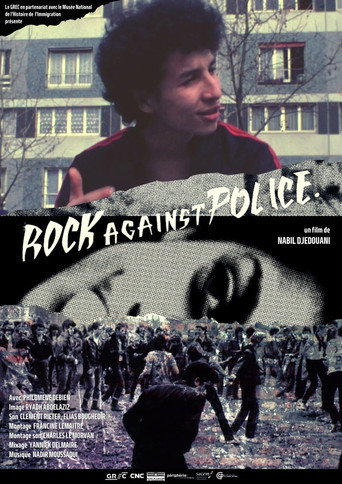
Rock Against Police
February 1980, young Abdelkader Lareiche was shot in the head by a building guard in a housing estate in Vitry. In a context marked by several racist crimes and a policy of security repression, his friends are mobilizing around the “Rock Against Police” movement. Forty years after the events, Philomène sets out to meet the activists and actors of this movement. “Memory is not commemoration, it is the living part of History” confides Mounsi about the massacre of October 17, 1961. This is the heart of Nabil Djedouani’s project, to restore a moment in a living way. of the militant history of the suburbs, registered here in the Rock Against Police movement, but which cannot be restricted to it. A thread stretched from the 1980s to today, which continues to “analyze the collective and murderous unconscious of the French State” and the ways of resisting and revolting.
Rock Against Police
February 1980, young Abdelkader Lareiche was shot in the head by a building guard in a housing estate in Vitry. In a context marked by several racist crimes and a policy of security repression, his friends are mobilizing around the “Rock Against Police” movement. Forty years after the events, Philomène sets out to meet the activists and actors of this movement. “Memory is not commemoration, it is the living part of History” confides Mounsi about the massacre of October 17, 1961. This is the heart of Nabil Djedouani’s project, to restore a moment in a living way. of the militant history of the suburbs, registered here in the Rock Against Police movement, but which cannot be restricted to it. A thread stretched from the 1980s to today, which continues to “analyze the collective and murderous unconscious of the French State” and the ways of resisting and revolting.
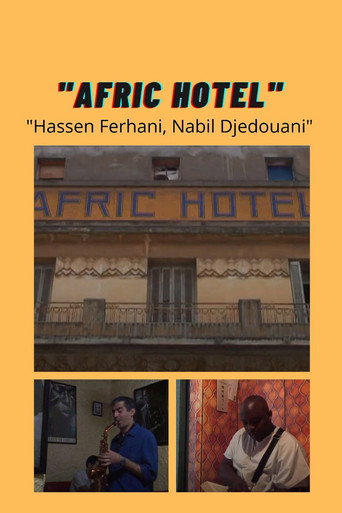
Afric Hotel
In the furnace of Algiers, the camera follows and accompanies Ibrahim, Adam, and Ismael, originally from sub-Saharan Africa, in an irregular situation who live in this hotel with the predestined name. They live from odd jobs. One is an elevator operator in a building, the second is a shoemaker and the third works in the construction sector. The other side of immigration from sub-Saharan Africa. Behind the statistics hide people, bodies waiting to be able to start another life elsewhere. A hotel thus becomes a transit point in which stories and hopes mingle, a place which seems suspended in time and space. A static journey waiting for another to begin.
Gallery