Production
No biography available.
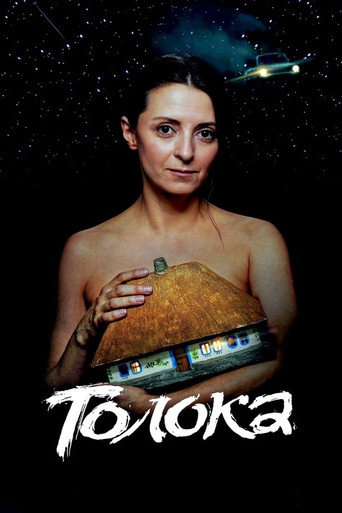
There is a ballad written by Ukrainian poet Taras Shevchenko called “That Catherine's hut is on the hill...". It is about a rescue of Catherine's lover, whom she saves by posing him as her brother. This story, as a parable, flies throughout Ukraine's history and reconstructs its dramatic and heroic episodes. Every challenge, including the Chernobyl accident, leaves Catherine without her home. But she is stubborn, as many generations of Ukrainians, in rebuilding her house out of pieces. The story is not only about Catherine's redemption, but also about Ukraine's survival throughout the centuries that is reflected in a folk tradition called Toloka.
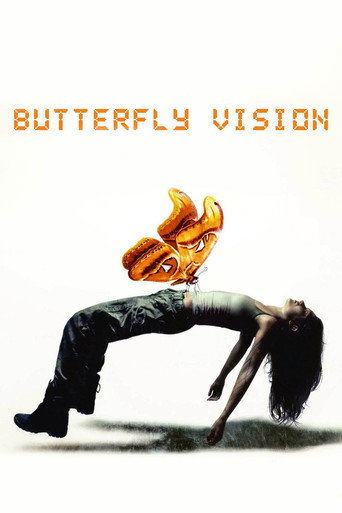
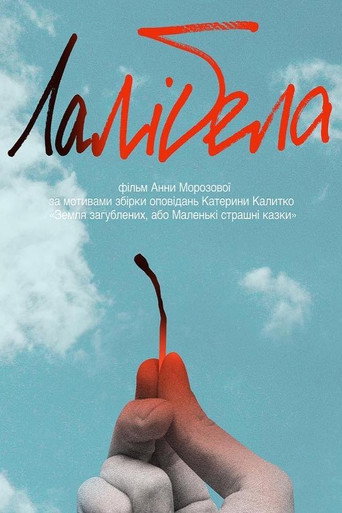
After spending months as a prisoner in Donbas, Ukrainian aerial reconnaissance expert Lilia returns home to her family. But the trauma of captivity continues to torment her and surface in dreamlike ways. Something growing deep within Lilia will not allow her to forget, yet she refuses to identify as a victim and will fight to liberate herself.
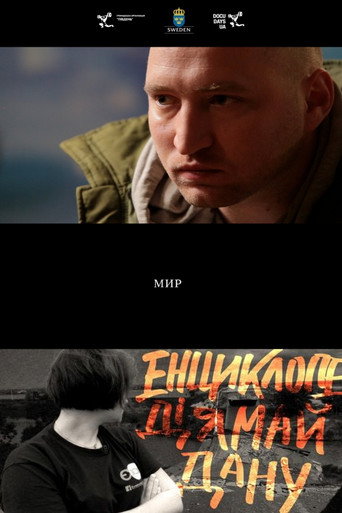
Myr - a film about Myroslav Hai, an acting teacher in the famous project So You Think You Can Dance, who, during the very first days of Russia's aggression in eastern Ukraine, created a powerful volunteer foundation, and provides the soldiers of the Anti-Terrorist Operation with food, uniforms, night vision devices, and other military equipment.
The war in Yugoslavia attracted the attention of the whole world. That's where the first one went in 1992 peacekeeping contingent of Ukraine. But bringing peace and salvation they could not imagine what enemy will have to face.
Brief stories from the Russian-Ukrainian war, collected by three volunteers who have been travelling along the frontline with humanitarian cargoes for more than four years.
A story of the Ukrainian peacekeepers who arrived in 1993 in Georgia, where the war with the Abkhaz was going on. Fifteen helicopters from the Ukrainian side reached their destination in just twenty-four hours. The peacekeeping mission witnessed horrific events.
The Vertep Imp embarks on a journey through memory, through the darkness of censorship and arrests, to restore the voices of young and audacious dissidents, together with new, unexpected friends.
On the eve of Easter, an icon depicting the Ethiopian Mother of God enters a Ukrainian village. After the icon is noticed by regular parishioners, a conflict begins between the young priest and his flock. Peasants do not agree to have a dark-skinned Mother of God in the church. One night someone makes his way to the church and cuts the icon. After the night events, the icon begins to pour myrrh.
There are songs that kill. The authors of these songs have millions of lives on their hands. One such song is featured in the film. It is well known that even the deadliest poison, in microdoses, can save a life—but in doing so, it takes far more. This poison is wiping out generations.
Young children go on adventures. Sometimes their imaginations take them far from home, and then suddenly, out of the blue, a child finds themselves alone in an unfamiliar world, on an unfamiliar street, surrounded by strangers. That’s a problem. But it doesn’t just happen to children.