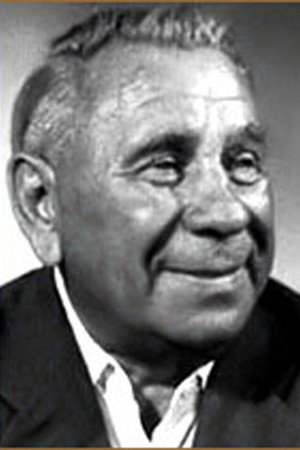
Mykola Yakovchenko Movies, TV Shows, and Filmography
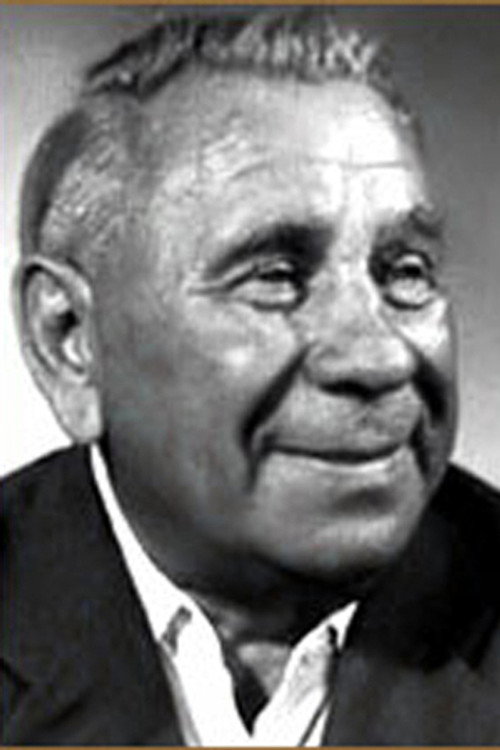
Mykola Yakovchenko
Acting
Biography
Mykola Fedorovych Yakovchenko (April 20 (May 3), 1900, Pryluky — September 11, 1974, Kyiv) was an outstanding Soviet Ukrainian theater and film actor who played character roles. He was named a People's Artist of the Ukrainian SSR in 1970. He was born in Pryluky (now Chernihiv Oblast, Ukraine, then Poltava Governorate, Russian Empire) into the family of an assistant manager of the Astrakhan fishing industry. His mother had four other children besides him. His family had its origins in the Don Cossacks — the family moved to the Poltava province from Rostov-on-Don and had a patriarchal structure, where a penchant for art was not particularly encouraged. In 1912, he enrolled in the Second Prilutsk Higher Primary School named after Kislov. In 1916, he enrolled in the city Jewish gymnasium, where he became interested in amateur art, performing his first roles in the gymnasium theater. At the same time, he thoroughly studied the Greek language. During the revolutionary events, he went to the front. His grandson, Mykola Bohonko-Yakovchenko, said, "It is not known for certain on whose side he fought — for the Reds or the Whites. According to documents, he spent the entire war on a Red Army medical train. However, over time, he became enthusiastic about talking about General Shkuro's cavalry; he once obtained two well-hidden St. George's Crosses." In 1918, he made his debut on the amateur stage in Pryluky. From the amateur group, he moved to the troupe of Pylyp Khmara's theater, which was Russian at the time, and from 1919 — Ukrainian, then Soviet. At this time, he played in plays by Leonid Andreyev — Tyukha in Savva and Second Lieutenant Grigory Mironov in Days of Our Lives. From 1920 to 1927, he worked in theaters in Lubny, Pryluky, Simferopol, Cherkasy, Chernihiv, Dnipro, and Kharkiv. From 1927, he was an actor at the Frank Ukrainian Academic Theater in Kyiv (with breaks).
Filmography Movies
Acting
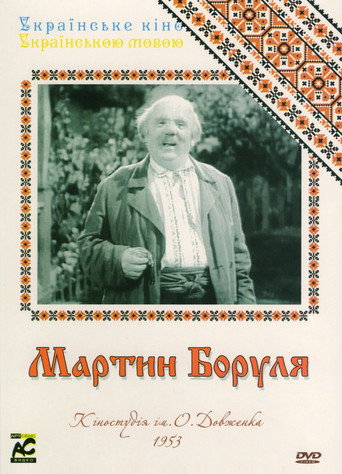
Martyn Borulya
The main film character, an ordinary peasant Martyn Borylya, decided to get a noble order. Having chosen a little and primitive aim, in the chase of the artificial values, he loses everything.
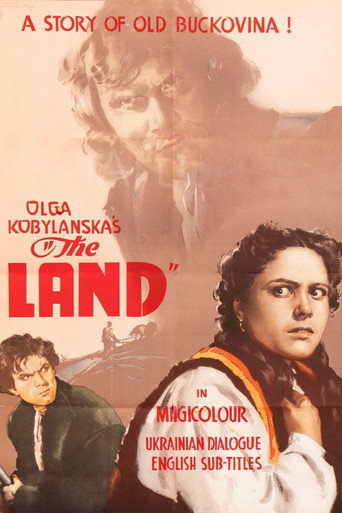
Earth
XIX century. The village of Dymka in Bukovina. The wealthy peasant Ivonic and his wife Maria have two sons - Mykhailo and Sava. Mykhailo has fallen in love with Anna, and is afraid to confess to his parents because it is not known how they will react. Sava fell in love with Rahira, who has a bad reputation in the village. She incites Sava's hatred towards his older brother Mykhailo, because he should get a better land.
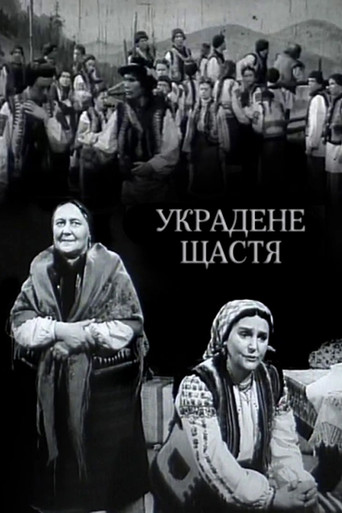
Stolen Happiness
Based on a play by Ivan Franko. Anna married Mykola, but does not love him. She likes young Michael. Against the background of the picturesque Carpathian mountains in the nineteenth century unfolds the eternal drama of love and jealousy.
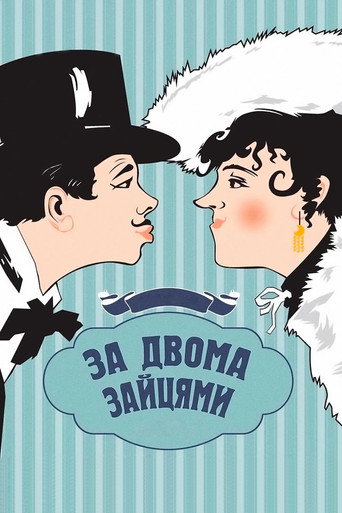
Chasing Two Hares
Based on the Ukrainian vaudeville by Mykhailo Starytskyi, the famous Ukrainian writer. The leading character, Svyryd Petrovych Holokhvosty has his own barbershop in town and a reputation of a dandy. Once, after losing everything he had at cards, he decides to remedy his financial situation by a profitable marriage. A rich but ugly girl named Pronia Sirko falls for the illustrious suitor’s courtship...
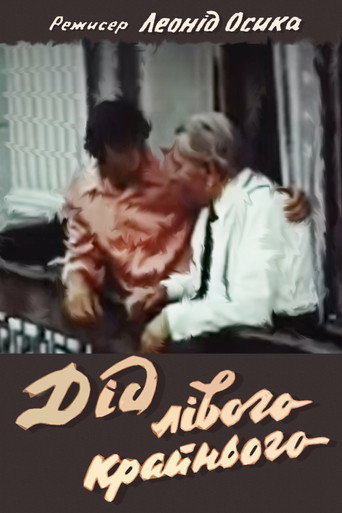
The Grandfather of the Left Winger
Trofim Bessarab has been working as a house painter for all his life. He is a pensioner now and it seems that he can let himself have a rest. But idleness is not for Trofim. His nature is to be a working man and he looks for the way to apply his irrepressible energy, he possesses despite his age.
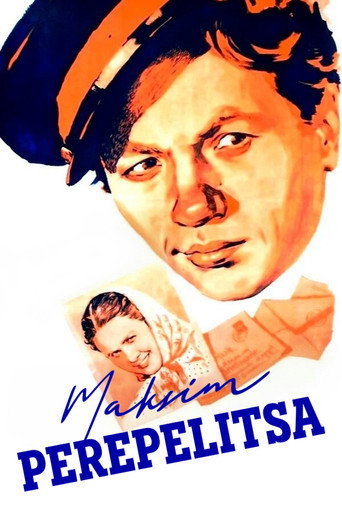
Maksim Perepelitsa
Maxim Perepelitsa is a cheerful, mischievous and resourceful young man from a Ukrainian village. He loves to make up stories and invent practical jokes. When he is drafted into the Russian Army, he doesn't stop his antics.
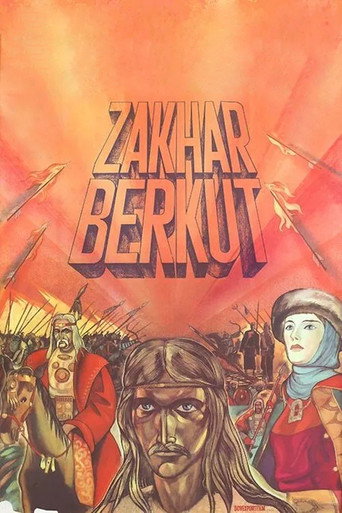
Zakhar Berkut
This film is based on the classic novel of the same name by writer Ivan Franko, one of the most famous figures of Ukrainian literature. It is set during the 1200s and the invasion of the medieval Ukrainian-Russian state of Rus' by Chengis Khan's Golden Horde. Due to its having been produced during the Soviet era, the story's aspect of class-conflict between the "heroic" peasantry and the "decadent" noble particularly emphasized here.
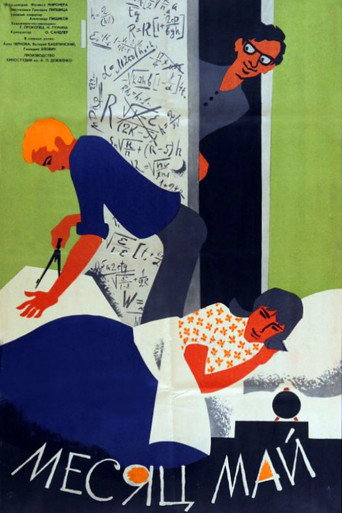
The Month of May
Students Galya and Sergey want to marry. In the civil registry, they are given a month's time, as stipulated by law. The young people quarrel, reconcile and quarrel again. On the last day of the probation period, the couple come to the registry office to pick up their applications, and leave it in the company of satisfied friends and indignant parents, having become husband and wife.
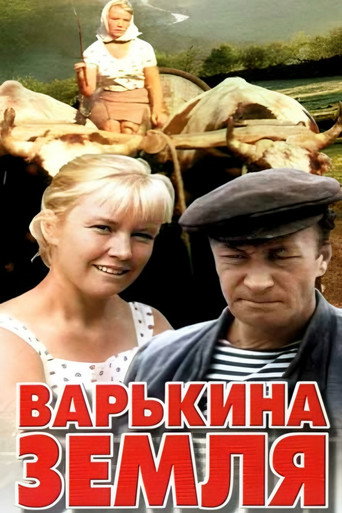
Varka's Land
Varya Kravets remains on her native collective farm after graduating from school. Her first love also came to her. The death of her beloved is all the more unexpected for her. Fellow villagers are helping to overcome the crisis.
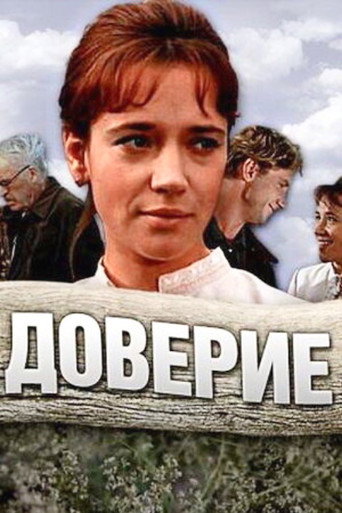
Trust
Problems of modern villages and economic use of land.
Gallery