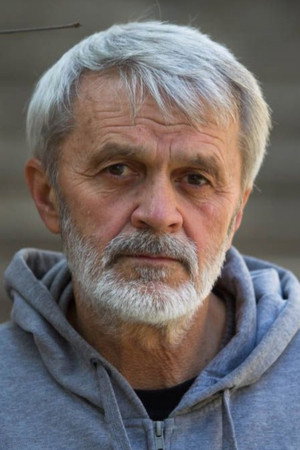
Mykhailo Illienko Movies, TV Shows, and Filmography
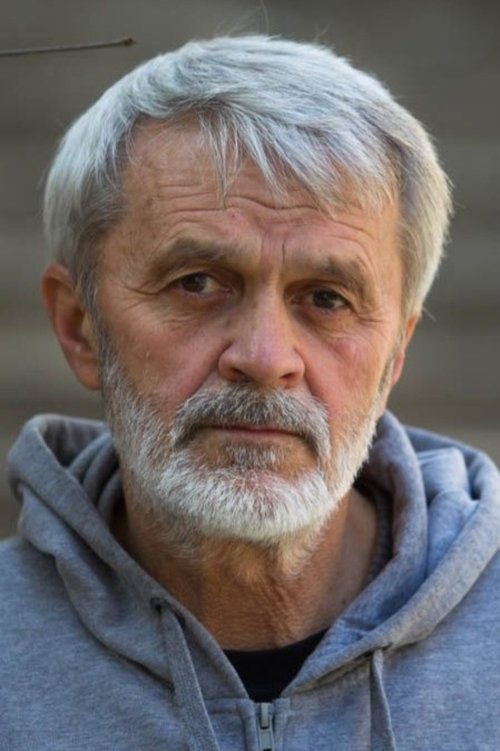
Mykhailo Illienko
Directing
Biography
Mykhailo Herasymovych Illienko (Ukrainian: Миха́йло Гера́симович Іллє́нко; born 29 June 1947)[1] is a Ukrainian film director, screenwriter, and actor. He is an Academician of the National Academy of Arts of Ukraine (2017), an Honored Artist of Ukraine (2003), and a Laureate of the Oleksandr Dovzhenko State Prize of Ukraine (2007). Mykhailo Illienko was born on 29 June 1947, in Moscow, Russian SFSR, Soviet Union. He graduated from the All-Union State Institute of Cinematography in 1970. Since 1973, he has been a director at the Kyiv Dovzhenko Film Studio. Since 1997, he has been the organizer of the Open Night Film Festival. Since 2000, he has been the dean of the film faculty at the Kyiv National I. K. Karpenko-Kary Theatre, Cinema and Television University. He is a member of the National Union of Cinematographers of Ukraine. From April 2017 to November 2018, he was the Chairman of the Board of the Ukrainian Film Academy. In March 2022, he joined the Ukrainian Territorial Defense Forces during the Russian invasion of Ukraine.
Filmography Movies
Acting
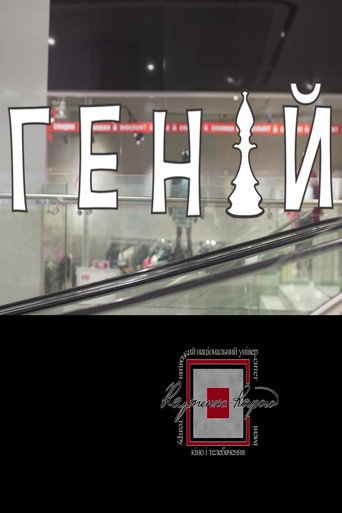
Genius
Grandfather and grandson are playing a chess game. Which of them will turn out to be the genius of the game?
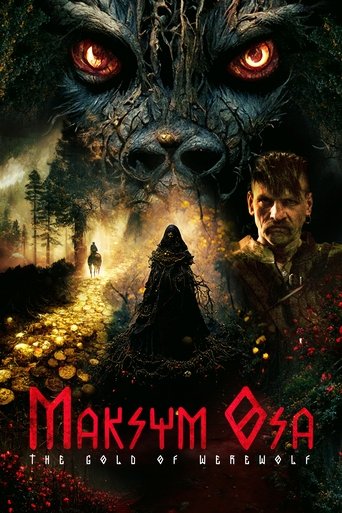
Maksym Osa: The Gold of Werewolf
Ukraine - 1636. Someone has attacked a battalion of cossacks that were transporting the gold of the Polish king. A cossack - Maksym Osa - tries to find the missing gold, but soon becomes one of the main suspects.
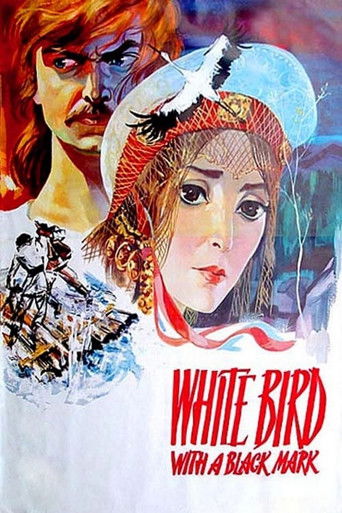
The White Bird Marked with Black
A family struggles to survive in an area that was claimed as part of Rumania, Poland and Ukraine, all within a short span of time. When World War II comes, various family members choose different masters; some even choose to work for the Soviets. War, struggle, marriages, births, deaths--all these events punctuate the story of this large family.
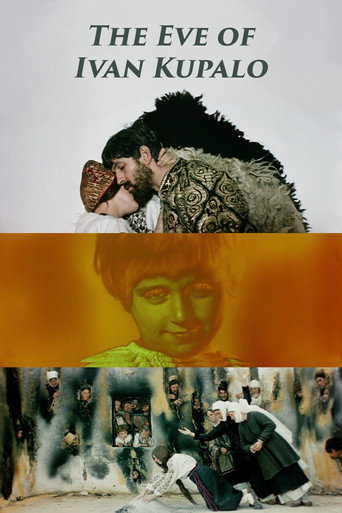
The Eve of Ivan Kupalo
Petro is a modest farmhand living in an impoverished village in some unspecified long-ago era. He wants to marry the lovely Pidorka, but her stern father won't hear of it. The mischievous demon Basavriuk, offers a deal, enticing Petro into crime for the sake of fortune. Based on Nikolai Gogol’s short story “The Eve of Ivan Kupala” (“St John’s Eve”) and Ukrainian folk tales.
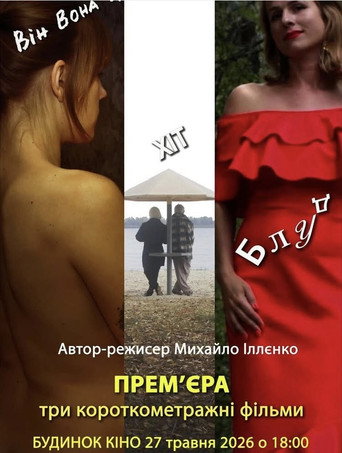
Hit
There are songs that kill. The authors of these songs have millions of lives on their hands. One such song is featured in the film. It is well known that even the deadliest poison, in microdoses, can save a life—but in doing so, it takes far more. This poison is wiping out generations.

Business as Usual
Forty years old is a perfect age to change ones life. The hero makes a decision to quit the psychotherapist's cabinet, which he is sick and tired of and become a poet. To become a freelance artist. A trifle remained to cope with to persuade the wife.
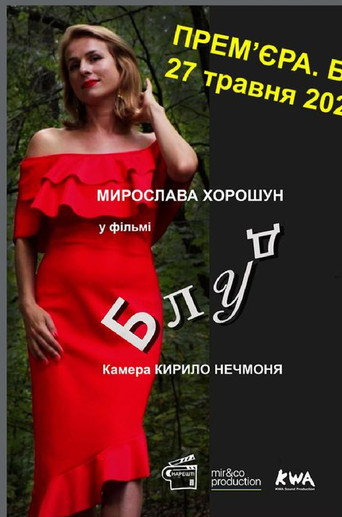
Wandering
Young children go on adventures. Sometimes their imaginations take them far from home, and then suddenly, out of the blue, a child finds themselves alone in an unfamiliar world, on an unfamiliar street, surrounded by strangers. That’s a problem. But it doesn’t just happen to children.
Production
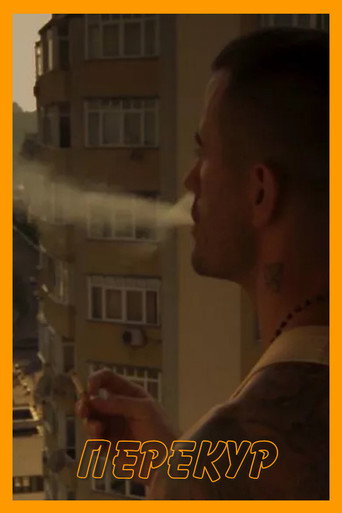
A Smoke Break
The battle is carried on not only at war with the aggressor. The clash of worldviews happens all around us and it never stops. The enemy is not always across the border.
A Smoke Break
The battle is carried on not only at war with the aggressor. The clash of worldviews happens all around us and it never stops. The enemy is not always across the border.
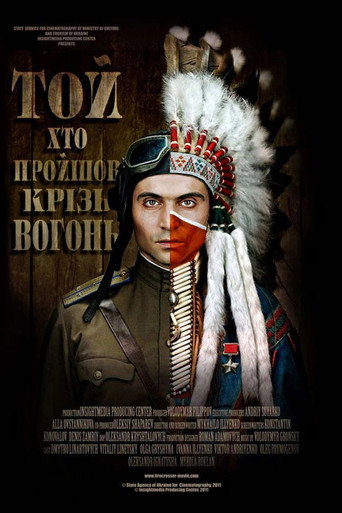
Firecrosser
The Hero of the Soviet Union becomes a GULAG prisoner and then an Indian Chief.
The Gift
Among the living beings who like to hide from their owners, today in the first place - a mobile phone. It's easy to find if you have another cell phone. If there is no other - the search can turn into a detective, drama, comedy, absurdity. In order to unravel this detective, not turning it into a drama and smile at the absurd, the hero of the film "Gift" needed one April night and the help of half the village.
The Gift
Among the living beings who like to hide from their owners, today in the first place - a mobile phone. It's easy to find if you have another cell phone. If there is no other - the search can turn into a detective, drama, comedy, absurdity. In order to unravel this detective, not turning it into a drama and smile at the absurd, the hero of the film "Gift" needed one April night and the help of half the village.
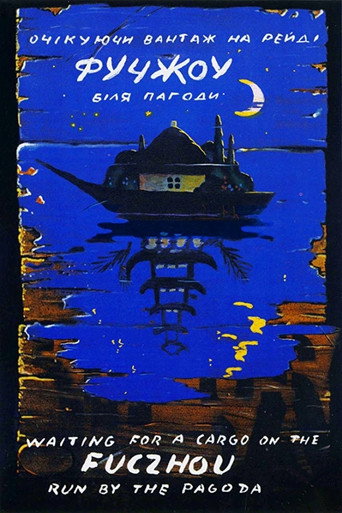
Fuchzhou
The action is set at the start of the twentieth century, between a village by the River Dnyepr and the coast of Florida. While the story has ironic, romantic and sometimes mystic angles, the bitter aspects of emigration from Ukraine to the United States become clearly visible.
Fuchzhou
The action is set at the start of the twentieth century, between a village by the River Dnyepr and the coast of Florida. While the story has ironic, romantic and sometimes mystic angles, the bitter aspects of emigration from Ukraine to the United States become clearly visible.
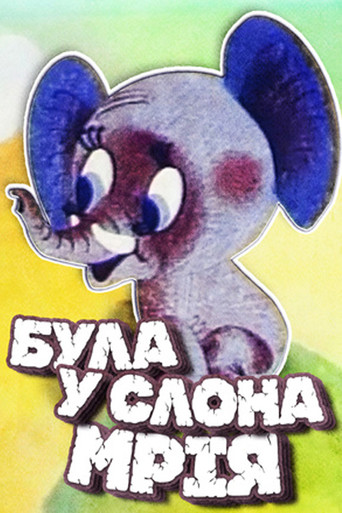
The Elephant Had a Dream
The elephant had a dream - to become white. And this dream almost came true: the artist gave the elephant a whole jar of white paint. The good elephant shared it with his friends - a bear cub, a hare, a mouse. But for him, the leftover paint was enough only for his tusks...
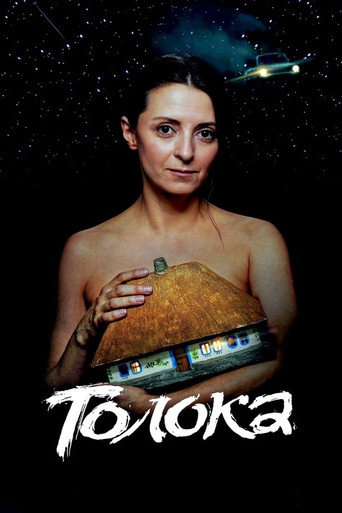
Toloka
There is a ballad written by Ukrainian poet Taras Shevchenko called “That Catherine's hut is on the hill...". It is about a rescue of Catherine's lover, whom she saves by posing him as her brother. This story, as a parable, flies throughout Ukraine's history and reconstructs its dramatic and heroic episodes. Every challenge, including the Chernobyl accident, leaves Catherine without her home. But she is stubborn, as many generations of Ukrainians, in rebuilding her house out of pieces. The story is not only about Catherine's redemption, but also about Ukraine's survival throughout the centuries that is reflected in a folk tradition called Toloka.
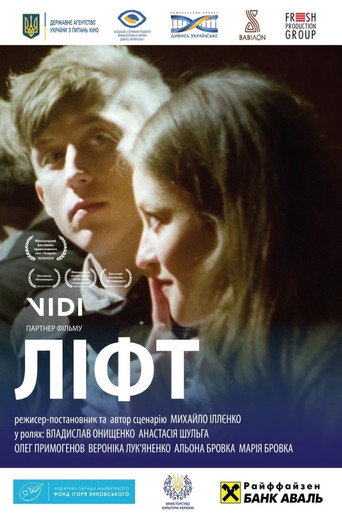
Elevator
Easter. Staircase. The guy is waiting for the elevator, but time and time again misses and does not come. Until the elevator stops, the door opens, and there she is.
Gallery