Mustapha El Anka Movies, TV Shows, and Filmography

Mustapha El Anka
Acting
Biography
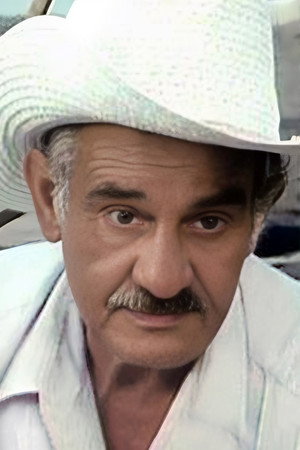
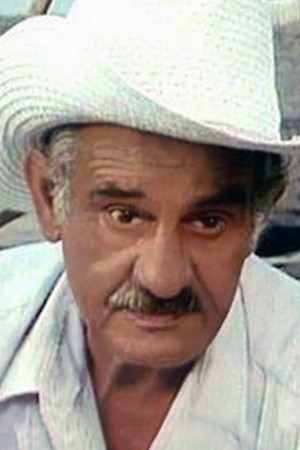
Mustapha El Anka (real name Mustapha Aït Ouarab), born April 6, 1926, is an Algerian singer and actor. He is also credited under the name Mustapha Halo. He is the oldest child of the famous musician and master of Chaâbi El Hadj M'hamed El Anka. He obtained his school certificate at the age of 13 and subsequently joined the musical troupe led by his father to become the drabki (darbouka player) of the orchestra. In 1947, he moved to Paris and learned to play the guitar, banjo and mandolin. he plays on stage and sings songs about exile in Arabic and Kabyle, for an audience of Algerian emigrants. Twelve years later, French radio and television recruited him as technical advisor and section head. In this capacity, he attended the recording of records in Arabic and Kabyle and met great artists such as Mohamed Abdelwahab and Farid El Atrache. Touched by the exile of his son, Hadj M’Hamed El Anka appealed to him to return through a song in Kabyle “Izrin Yeghlev Lehmali”. Mustapha will respond to his father with the song in Arabic “Ya Abi Ya Abi” which will be a great success. During his exile, Mustapha married a Spanish woman, but, discreetly, little is known about his private life and his escapade outside Algeria. At one point he joined the FLN troupe and recorded “El Qvayel”. After independence, he returned to Algeria and joined the newly nationalized Algerian National Theater. he became a singer in Haddad El-Djileli’s orchestra. at the same time, he played in several plays, encouraged by Mustapha Kateb. confirming his acting gifts, the son of the great “El Anka” tried cinema in 1968 and launched a new career with success. At the beginning of 1970, he joined the Algerian Popular Theater troupe (TTP) directed by Hassan El Hassani, who had played a major role in bringing theater to the most remote areas. he plays alongside Tayeb Abou El Hassan, Kaci Ksentini and Hamid Nemri, notably as a country guard in “Ti Goule ou Ti Goule Pas”. Mustapha El Anka ends up abandoning singing to devote himself fully to comedy on the small and big screen. the greatest directors will call on him and will play in the cults “Le Charbonnier” by Mohamed Bouamari, “Prends Dix Mille Balles et Casse-Toi”, “Les Folles Années Du Twist” by Mahmoud Zemmouri, “La Dernier Image” by Mohamed Lakhdar Hamina and many others, in all, he will play in around sixty films. His last role will be in “El Ouelf Saïb” by Mohamed Hilmi, released in 1993, and which he will not have time to see. Mustapha El Anka died on November 3, 1993 and was buried in the El-Kettar cemetery.
Filmography Movies
Acting
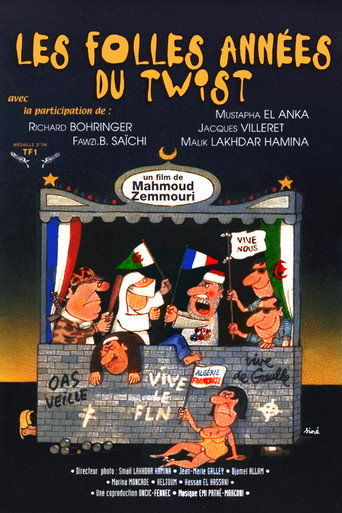
Les Folles Années du Twist
A small town in Algeria, in the years 1960-1962. Two young idle boys and rock fans, Boualem and Salah, try to survive in the turmoil of war, taking great care not to get involved.
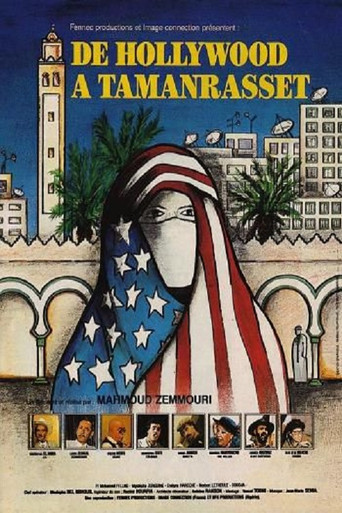
From Hollywood to Tamanrasset
On the outskirts of Algiers, Algeria. the arrival of the satellite dishes governs the lives of the inhabitants. Dissatisfied with their lives, they think of themselves as the heroes of American soap opera and movies, so JR, Sue Ellen, Rambo, Kojak, Spock and others take possession of bodies and minds, with many typical American culture elements. These heroes mix in a beautiful funny mess, with tradition and modernism, Islam and television, reality and fiction.
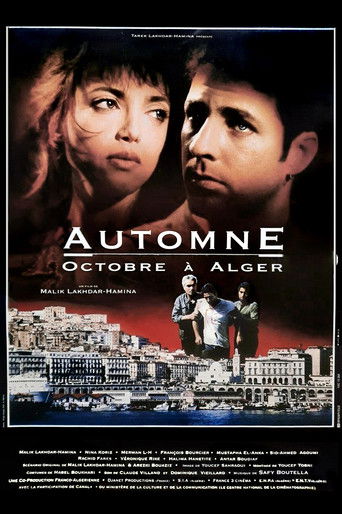
Autumn, October In Algiers
The story of a family in the instability and violence that shook Algeria during the riots of October 1988 in the midst of the rise of fundamentalism and intolerance, disappointments and prohibitions, corruption, nepotism and abuse of power. On October 5, 1988, young Algerians occupied the streets... Afterwards, Algeria would plunge into the chaos of the Black Decade which would last more than ten years and leave more than 150,000 dead.
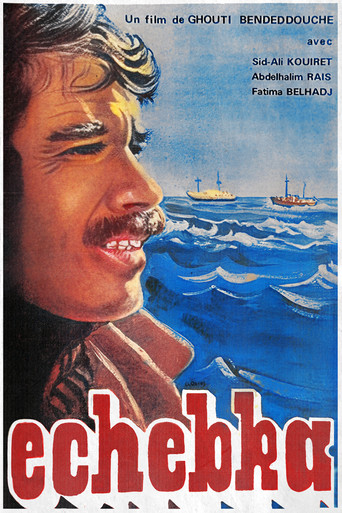
Echebka (الشبكة)
Maamar (Sid Ali Kouiret), a young fisherman working in a small port in western Algeria, is forced to sell his goods at a discount every day to Si Khelifa (Abdelhalim Rais), owner of many trucks and a cannery where the wives work fishermen. He has a strange encounter. As he returns from fishing, bassinet in hand, he witnesses a car accident. Indeed, a car hits a tree with a beautiful girl “Hayat” on board who has lost consciousness. Maamar pulls her out of the car and saves her. It is at this precise moment that he realizes the existence of another world. As if awakened from a long sleep, he realizes that this exploitation can no longer continue. He leaves his village and his wife Laâlia (Fatima Belhadj) on a whim for three years. He finds himself in the capital which he leaves to return to his village and carry out a saving action...
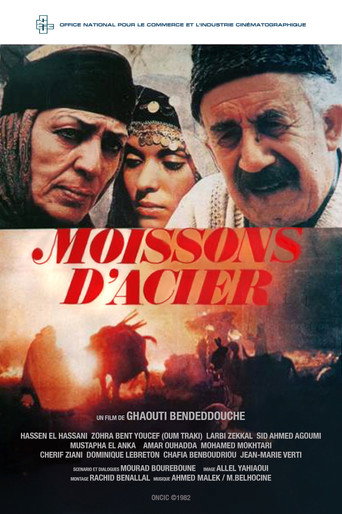
Harvest of Steel
Years after Algeria gained independence, war continues to claim lives in Soulima, a border village surrounded by mines, whose victims are too numerous to count. Despite all these deaths, the inhabitants remain rooted in their ancestral land. Among them stands out the noble figure of Zohra, who seems to be the soul of the village...
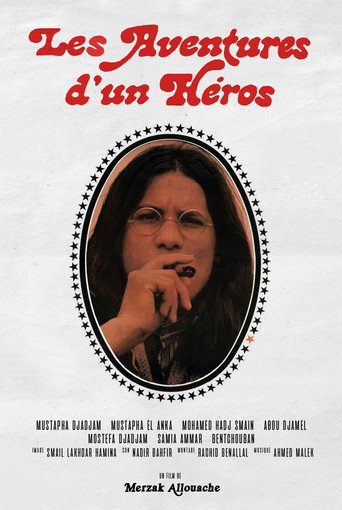
The Adventures of a Hero
In one of the tribes of the Algerian Sahara, everyone awaits the arrival of the hero who will defend the rights of the poor. A man decides one day to put the mark of the "hero" on his newborn son and the whole tribe celebrates the arrival of this eagerly awaited messiah who came to save them. This false hero then grows up by assuming his role of savior. Filled with cynicism, he crosses the countryside and has a number of adventures.
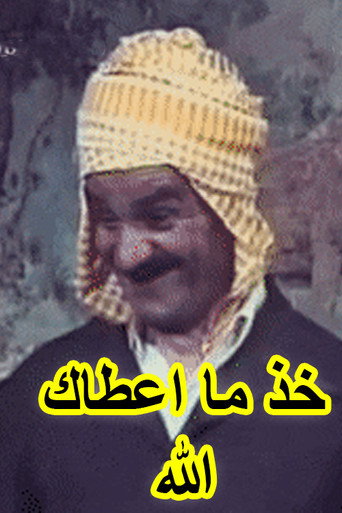
Khouth Ma Aâtak Allah (عرس الدايم, خود ما اعطاك الله)
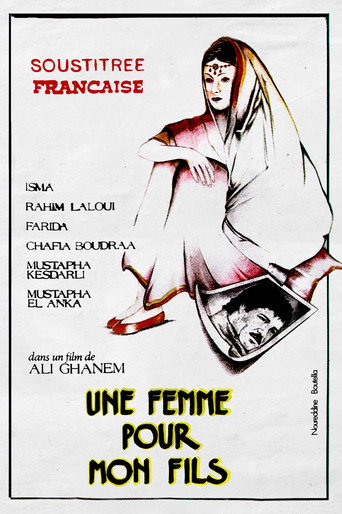
A Wife for My Son
An arranged marriage as seen through the eyes of an unhappy young Algerian woman.
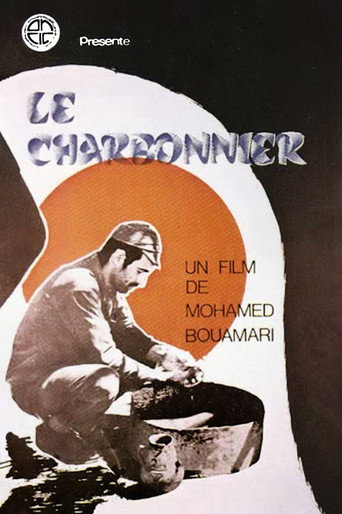
The Charcoal Maker
Film describes the miserable existence of a charcoal-burner who is barely able to feed his family. His search for work in town ends in failure and he is forced to return to his village.
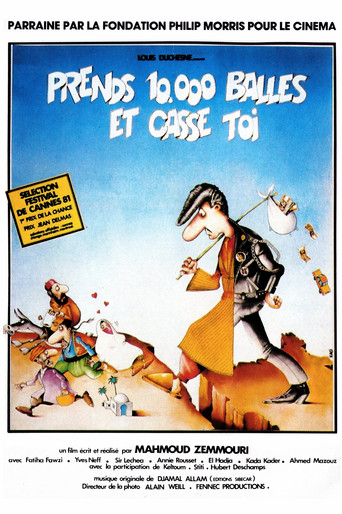
Take Your Ten Thousand Francs and Get Out
Two young Algerians born in France leave the Paris region to return with their parents to the village of their origins. They speak neither Arabic nor Berber. First barrier which isolates them from their new environment and which is further accentuated by the problem of generations, present here as in France. The social position of Algerian women posed to young emigrants is more immediately felt and proves to be a generator of conflict. Thanks to the plot, it is the whole problem of the reintegration of emigrants in their land of origin that the film poses and illustrates.
Gallery