Editing
No biography available.
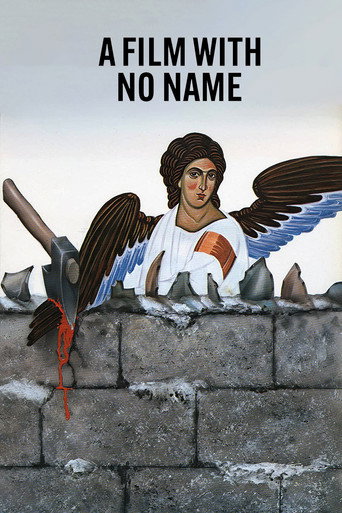
The Kosovo region of Yugoslavia near the Albanian border is the scene of political unrest and a modern Romeo and Juliet romance in this satirical political drama. A film director (Meto Jovanovski) gathers information for his documentary about the Serbs being forced to depart by Albanian Moslems. As the region heads towards ethnic warfare, the young Albanian woman Nadira (Sonja Jacevska) falls in love with the Serbian Miloljub (Cedo Arobabic). He is captured and castrated, and the private lives of Milobjub and Nadira become part of the director's story in his film. He must answer to the financiers and producers who believe his film was to be a comedy. The events foreshadow a long and bloody conflict between two factions, a battle that has not abated in the ten years since this film's initial release.
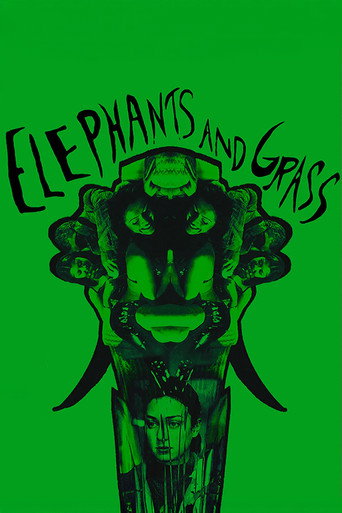
Elephants and Grass (Turkish: Filler ve Çimen) is a 2001 Turkish drama film, written and directed by Derviş Zaim, about six different stories that merge into a common theme. The film, which went on nationwide general release across Turkey on January 5, 2001, won awards at film festivals in Antalya and Istanbul, including the Golden Orange Behlül Dal Jury Special Award.
Really bad samples of new generation Turkish films. This film reflects the director's non ripen cinema culture. He use too incomprehensible objects and metaphor. Basic, non merry, boring sample of non-traditional Turkish cinema.
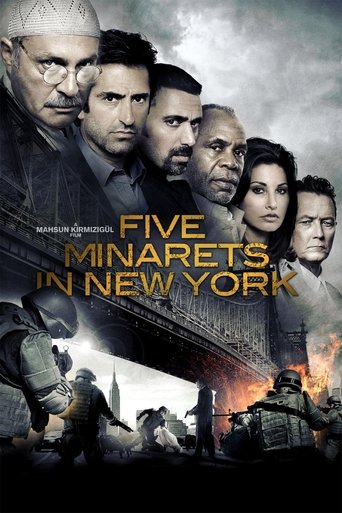
Two Turkish anti-terrorist agents are sent to New York City on a mission to find and bring back the dangerous Islamic leader codenamed "Dajjal", believed to be hiding in there. Working with the FBI and NYPD, the agents orchestrate the arrest of Hadji Gumus, a well-respected Muslim scholar and family man who years before fled to the United States after being released from a Turkish prison, where he served time for murder. This tale love, friendship, peace and prejudices, takes us on a journey seeking to answer the question of whether innocence or guilt even matters to one who lusts for vengeance.
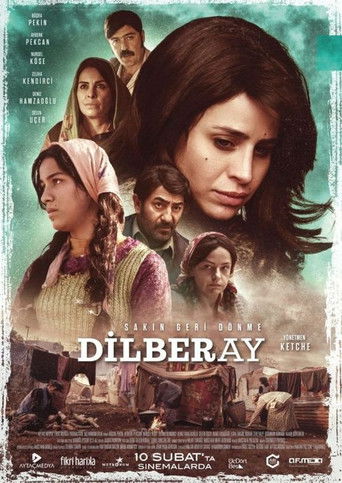
Born into a poor family with eight children in Kahramanmaraş, Dilber Ay endured many sorrows and hardships in the life she began in a tent. At the age of 13, she was sold to an older man for money, they married, and had children. She was beaten and tortured for singing, but despite all the pain she endured, she rose to the top of the stage with the strength she drew from her God-given voice, and she also experienced prison. She never gave up, always singing her way out of the bottomless pits she fell into.
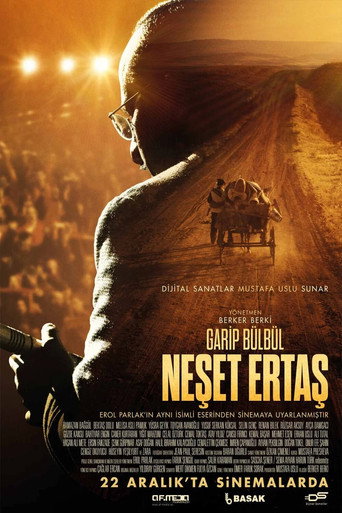
Garip Bülbül is about the life story of the great bard Neşet Ertaş. Neşet Ertaş, who signed 400 records and many cassettes throughout his life, wrote many poems under the pen name "Garip". The film tells the unknowns about both the private and career life of Neşet Ertaş, who passed away in 2012.
Carpet dealer and UFO photo forger Arif is abducted by aliens and must outwit the evil commander-in-chief of G.O.R.A., the planet where he is being held.
Mahsun Supertitiz is an unemployed homeless man who steals cars at night so that he can sleep in a heated place during the winter. Mahsun lives in Rumelihisar, an old section of Istanbul, and makes ends meet by getting the local fishermen to help him. Mahsun loves the cars he robs, cleans and polishes them, and drives them through the streets of Rumelihisar during the daytime.
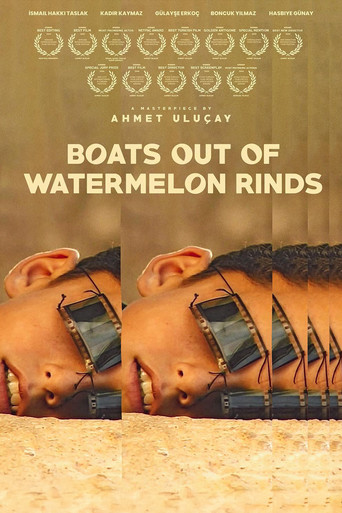
In his award-winning debut feature film, director Ahmet Ulucay portrays the innocence of childhood and the lure of the cinema for two teens in a small Turkish village. Working for a watermelon seller by day, Remet spends his evenings trying to rebuild a film projector with his friend Mehmet. Both have big dreams to be famous film directors one day.
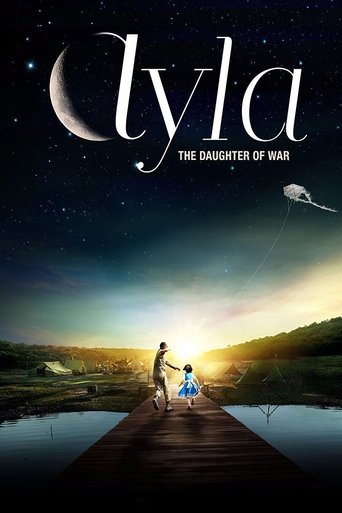
In 1950, amidst the ravages of the Korean War, Sergeant Süleyman stumbles upon a a half-frozen little girl, with no parents and no help in sight and he risks his own life to save her, smuggling her into his army base and out of harm’s way.