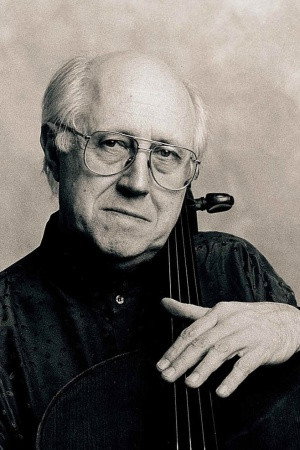
Mstislav Rostropovich Movies, TV Shows, and Filmography
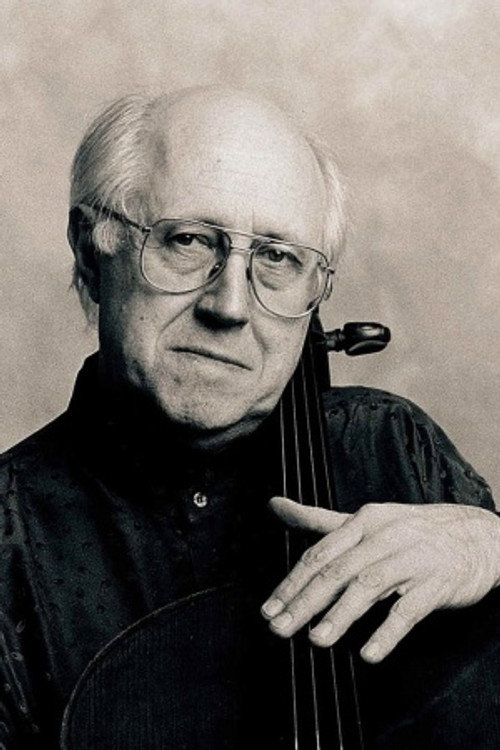
Mstislav Rostropovich
Acting
Biography
Mstislav Leopoldovich Rostropovich (27 March 1927 – 27 April 2007) was a Russian cellist and conductor. He is considered by many to be the greatest cellist of the 20th century. In addition to his interpretations and technique, he was well known for both inspiring and commissioning new works, which enlarged the cello repertoire more than any cellist before or since. He inspired and premiered over 100 pieces, forming long-standing friendships and artistic partnerships with composers including Dmitri Shostakovich, Sergei Prokofiev, Henri Dutilleux, Witold Lutosławski, Olivier Messiaen, Luciano Berio, Krzysztof Penderecki, Alfred Schnittke, Norbert Moret, Andreas Makris, Leonard Bernstein, Aram Khachaturian and Benjamin Britten. Rostropovich was internationally recognized as a staunch advocate of human rights, and was awarded the 1974 Award of the International League of Human Rights. He was married to the soprano Galina Vishnevskaya and had two daughters, Olga and Elena Rostropovich. Mstislav Rostropovich was born in Baku, Azerbaijan SSR, to parents who had moved from Orenburg: Leopold Vitoldovich Rostropovich, a renowned cellist and former student of Pablo Casals, and Sofiya Nikolaevna Fedotova-Rostropovich, a talented pianist. Mstislav's father (1892–1942) was born in Voronezh to Witold Rostropowicz, a composer of Polish noble descent, and Matilda Rostropovich, née Pule of Belarusian descent. The Polish part of his family bore the Bogoria coat of arms, which was located at the family palace in Skotniki. Mstislav's mother Sofiya, of Russian descent, was the daughter of musicians. Her elder sister Nadezhda married the cellist Semyon Kozolupov, who was thus Rostropovich's uncle by marriage. Rostropovich grew up in Baku and spent his youth there. During World War II his family moved back to Orenburg and then in 1943 to Moscow. At the age of four, Rostropovich learned the piano with his mother. He began the cello at the age of 10 with his father. In 1943, at the age of 16, he entered the Moscow Conservatory, where he studied cello with his uncle Semyon Kozolupov, and piano, conducting and composition with Vissarion Shebalin. His teachers also included Dmitri Shostakovich. In 1945 he came to prominence as a cellist when he won the gold medal in the Soviet Union's first ever competition for young musicians. He graduated from the Conservatory in 1948, and became professor of cello there in 1956. Rostropovich gave his first cello concert in 1942. He won first prize at the international Music Awards of Prague and Budapest in 1947, 1949 and 1950. In 1950, at the age of 23 he was awarded what was then considered the highest distinction in the Soviet Union, the Stalin Prize. At that time, Rostropovich was already well known in his country and while actively pursuing his solo career, he taught at the Leningrad (Saint-Petersburg) Conservatory and the Moscow Conservatory. In 1955, he married Galina Vishnevskaya, a leading soprano at the Bolshoi Theatre. ... Source: Article "Mstislav Rostropovich" from Wikipedia in English, licensed under CC-BY-SA 3.0.
Filmography Movies
Acting
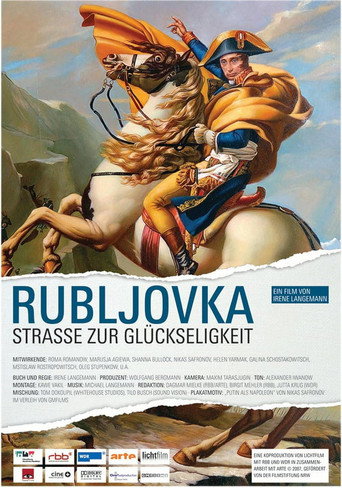
Rubljovka – Road to Bliss
Rublyovka Road is the traffic artery connecting the powerhouse Moscow with the Russian outback. Tell-tale signs of the past and gross excesses of Russian cutthroat capitalism have created a bizarre microcosm that does not have a parallel elsewhere in this giant empire.
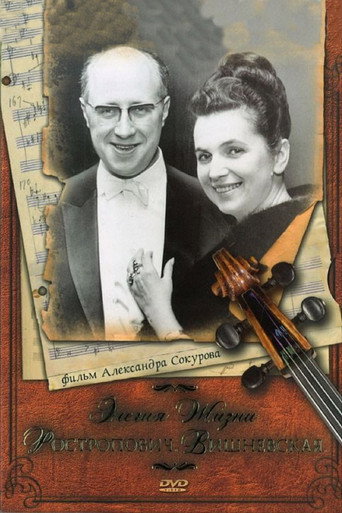
Elegy of Life: Rostropovich, Vishnevskaya
A documentary about the famous musician Mstislav Rostropovich and his wife, Galina Vishnevskaya.
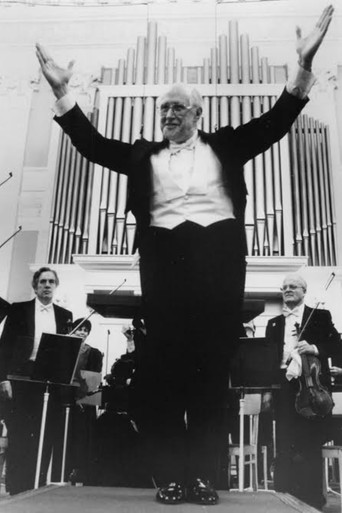
Soldiers of Music
Documentary showing the return to his native Russia of Mstislav Rostropovitch, includes extensive performance footage and coverage of political and personal matters for the cellist.
Britten: Nocturne
Tony Palmer directs this documentary exploring the life and work of the celebrated English composer, conductor and pianist. Britten is particularly well known for his operas, which include 'Peter Grimes' and 'Death in Venice'. Palmer discusses the life experiences that influenced Britten's work, such as the turmoil of World War II, which horrified his pacifistic nature, and reflects on the role of an artist in such troubled times.
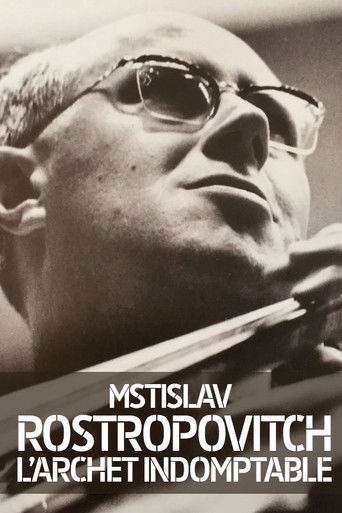
Rostropovich: L'archet Indomptable
The Indomitable Bow is a unique portrait of Mstislav Rostropovich, a formidable personality as well as a complex, deeply political musician constantly engaged in a whirlwind of activities. Including unreleased documents, archive films, interviews and concert performances from this key figure of the 20th century, The Indomitable Bow is a remarkable testimony of the life and work of the legendary Slava
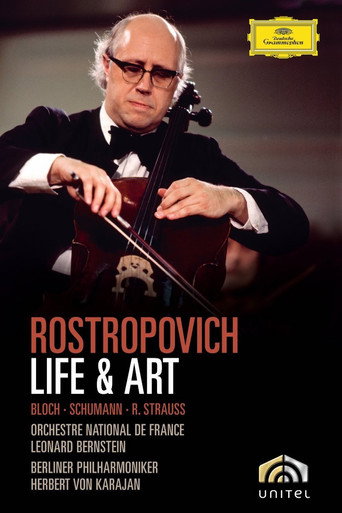
Rostropovich Life & Art
Released as a memorial for the great Russian cellist Mstislav Rostropovich, who passed away on 27 April 2007, this DVD contains one bonafide cello concerto, the Schumann Cello Concerto in A minor, and two tone poems with prominent cello parts, Ernest Bloch's Schelomo and Richard Strauss' Don Quixote. Rostropovich mastered the Schumann in several famous recordings. Here, conducted by Leonard Bernstein, he provides a splendid performance. Featuring his trademark powerful technique, smooth legato and crisp vibrato, the Romantic roots of the concerto are never hidden for long, despite the relatively cool playing of the Orchestre National de France.
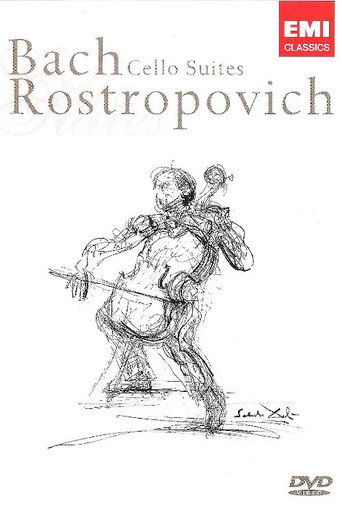
Mstislav Rostropovich - Bach Cello Suites
This is one of the most important recordings of the 20th century, both for its content (considered by many the greatest cello music of all time) and for the intense devotion, careful preparation, and towering technical skill that went into the project. It was a brilliant idea to make a video as well as an audio recording. Cellists will welcome the chance to study Rostropovich's bowing and fingering techniques, close up and at leisure. And music-lovers will welcome the visuals of the recording location, a French church whose architecture, statues, and flickering candles complement the music.
Prom at the Palace
All-time classical favourites from the first ever public concert held in the grounds of Buckingham Palace, hosted by Her Majesty Queen Elizabeth II. Broadcast live on BBC Television, 1st June 2002. Opera fans are in for a particular treat with Dame Kiri Te Kanawa (singing Bizet and Gershwin), Sir Thomas Allen (Rossini and Sir Edward German), and Roberto Alagna and Angela Gheorghiu (Puccini and Verdi) sharing the honours. Maestro Mstislav Rostropovich also makes a rare guest appearance with the cello section of the London Symphony Orchestra playing Villa-Lobos.
Production
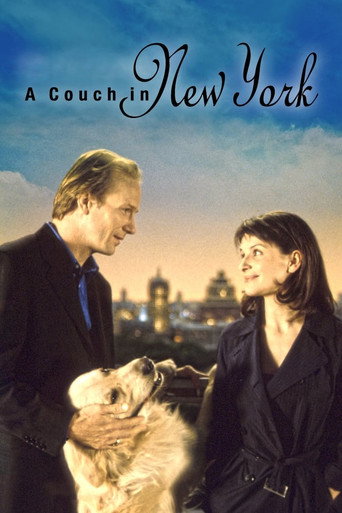
A Couch in New York
A burnt-out New York psychoanalyst exchanges apartments with a Parisian woman. When his patients arrive, they talk to her and then pay. He returns early and becomes a patient as well.
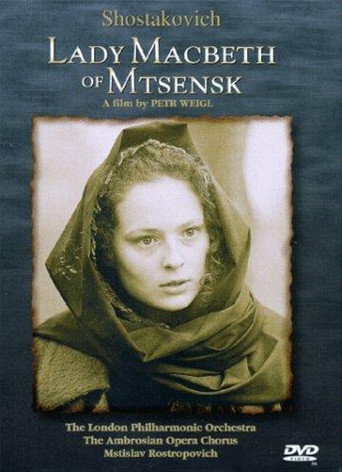
Lady Macbeth of Mtsensk
A young woman, married to a wealthy man, but miserably lonely; trapped within a world ruled with an iron fist. Katerina is driven by a lust for life and for love. Her husband, though, is impotent; her father-in-law a tyrant. No wonder, then, that she longs to free herself from this yoke. When Sergei starts work on the family estate, she sees in him a chance for salvation. However, their subsequent affair marks the beginning of a descent into crime.
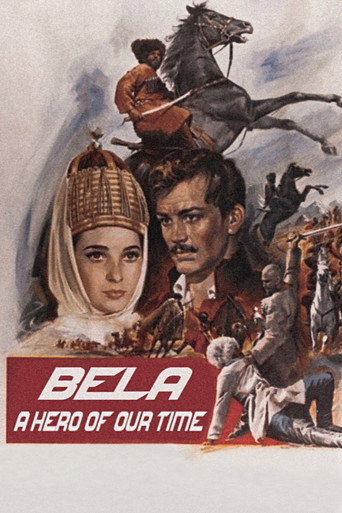
A Hero of Our Time: Bela
Russian officer Pechorin falls in love with Bela, the daughter of a local chieftain. By tricking her brother Azamat into abducting her, he calls upon himself the wrath of horseman Kazbich.
Gallery