Mrinal Sen Movies, TV Shows, and Filmography
Mrinal Sen
Directing
Biography
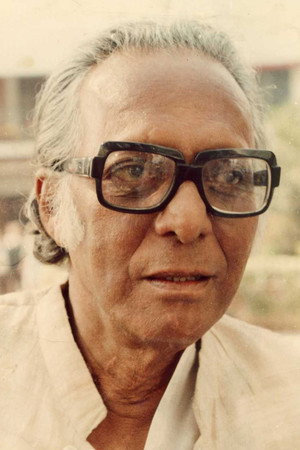
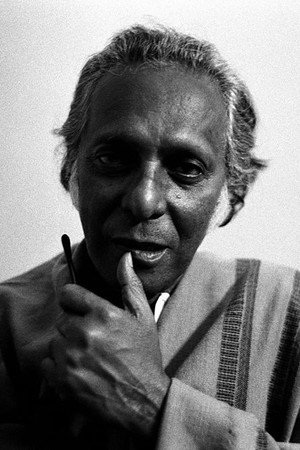
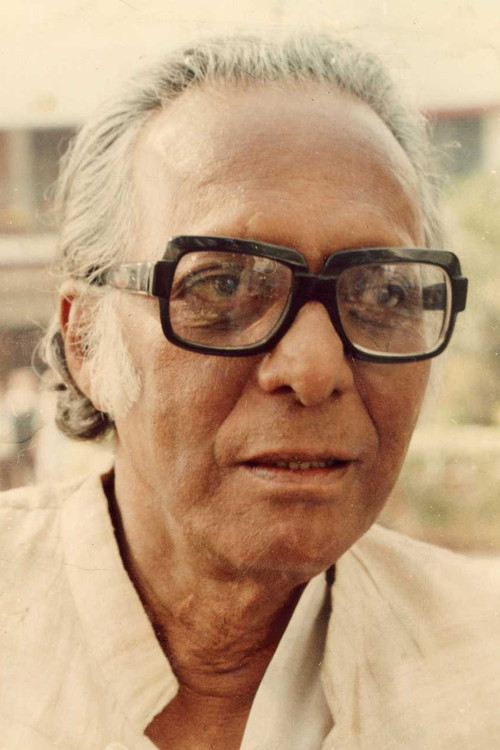
Mrinal Sen entered the world of arts through Indian Peoples Theatre Association (IPTA) in 1943. He made his first film 'Raat Bhor' in 1956. Deeply influenced by the leftist ideology, most of his films deal with socio-political themes and the complexities of life of the urban middle class of Bengal. His second film, 'Neel Akasher Nichey' was banned by the government for two months in 1958. Though he predominantly worked in Bengali cinema, Sen also made films in the Odia, Telugu and Hindi languages. He won the National Award for Best Film four times and his films were screened at various international film festivals that bestowed accolades upon him. Sen also served as a jury member at the Cannes International Film Festival.
Filmography Movies
Acting
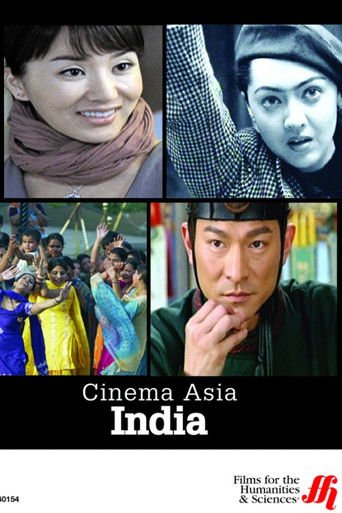
Cinema Asia: India
While Northern India’s 100-year-old film industry is best known for flamboyant dance sequences and romantic plot lines, its directors have begun to step outside established formulas and explore grittier subject matter. This program surveys the world of Bollywood filmmaking, examining the personalities as well as the commercial and thematic concerns that drive central Asia’s answer to Tinseltown. Interviews with directors Karan Johar, Ashutosh Gowariker, and Yash Chopra are included, along with commentary from choreographers, musical directors, and Cinemaya Magazine editor Aruna Vasudev. The industry’s newfound attention to poverty, homelessness, and other social concerns is examined. Several film excerpts are included.

Celluloid Man
Indian documentary about Indian film history and P. K. Nair, the founder of the National Film Archive of India and guardian of Indian cinema. He built the archive can by can in a country where the archiving of cinema was considered unimportant.

Smita
This biographical film is a tribute to a pioneering actress Smita Patil through her works a tribute to the parallel cinema. Her realistic dignified portrayals of the emerging women's movement in India creating a space for women on screen and role models for them off-screen.
Cinématon XII
Reel 12 of Gérard Courant's on-going Cinematon series.
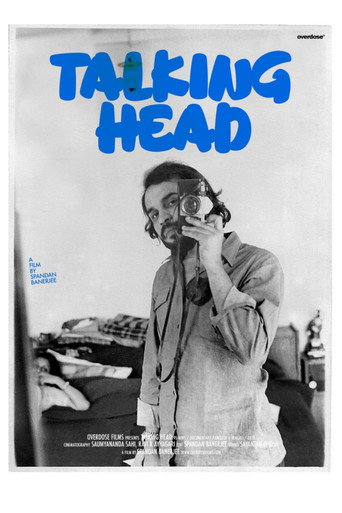
Talking Head
An elusive actor is a rarity. Talking Head is about the actor Dhritiman Chaterji. In October 1970, Pratidwandi (The Adversary) one of Satyajit Ray’s most political films was released. It was a film about the time; the moment of anger, disenchantment, strikes, injustice and unemployment among the young. It was a film about angry youth and it introduced Dhritiman Chaterji, into film acting. A new actor in Bengali cinema, Dhritiman Chaterji acted in few of the most prominent films of the decade
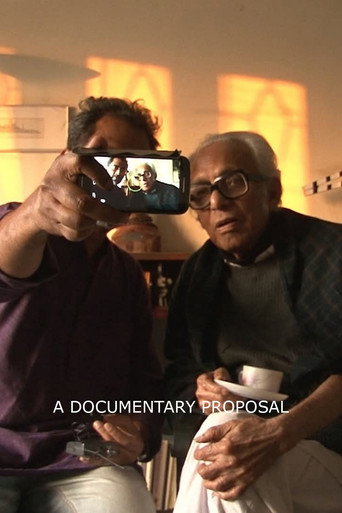
A Documentary Proposal
Films Division, decides to make a documentary film on the renowned filmmaker Mrinal Sen. Officials from the Films Division go to Mrinal Sen’s house in Kolkata to officially propose the making of the documentary film on him.
Indian Talkie
Drawing the history of the Indian talkie, starting with Alam Ara in 1931, this documentary short provides a cross-section of viewpoints from luminaries of the film industry, which give some insight into the contemporary commercial cinema and the parallel stream.
Production
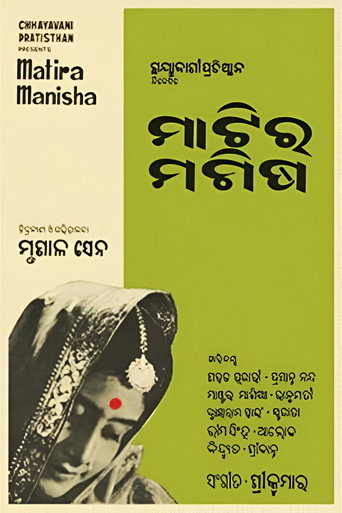
Two Brothers
The greed for the possession of the family land destroys the affection and brotherhood between siblings, Baraju and Chakadi after their father, Shama Pradhan passes away.
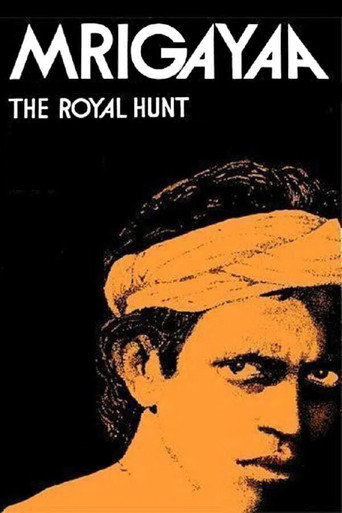
The Royal Hunt
A British administrator with a flair for game hunting develops a friendship with a commoner who is an expert archer in an Indian village. The movie portrays the relationship between the British colonialists, and native villagers who were exploited by Indian landlords in 1920s India. This happens against the backdrop of the awakening of the Indian people against the British rule.
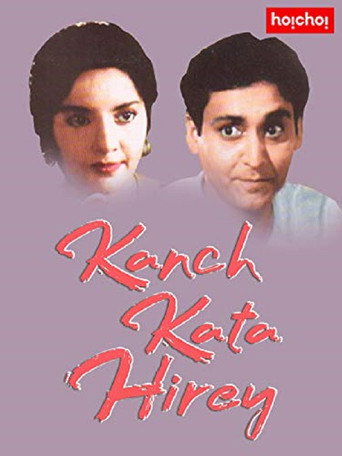
Kanch Kata Hire
Subrata joins his father's business that he quits due to ideological differences. What awaits his fate now?
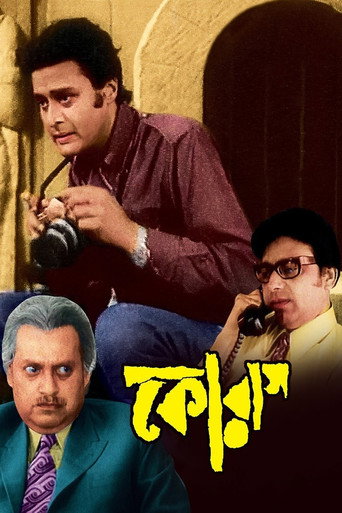
Chorus
A small company advertises for 100 vacancies and 30,000 apply. The applicants are all from the ranks of the poor and there is a virtual riot. Everyone around is seeking for opportunities. Among them are the applicants who desperately need the job, the photographer who is busy seeking a scoop, the village moneylender who is busy exploiting the poor, the ineffective police, the employers who are advertising posts even while a six month old strike has nearly caused the workmen to become destitute. It is a story of society captured in a tiny framework of a small business. Ultimately, the workmen, the unemployed and the farmers all get to gether to protest against this exploitation.
Chorus
A small company advertises for 100 vacancies and 30,000 apply. The applicants are all from the ranks of the poor and there is a virtual riot. Everyone around is seeking for opportunities. Among them are the applicants who desperately need the job, the photographer who is busy seeking a scoop, the village moneylender who is busy exploiting the poor, the ineffective police, the employers who are advertising posts even while a six month old strike has nearly caused the workmen to become destitute. It is a story of society captured in a tiny framework of a small business. Ultimately, the workmen, the unemployed and the farmers all get to gether to protest against this exploitation.

City Life
A kaleidoscopic panorama of the world. A visual anthology of twelve short stories by twelve innovative directors from all over the world.
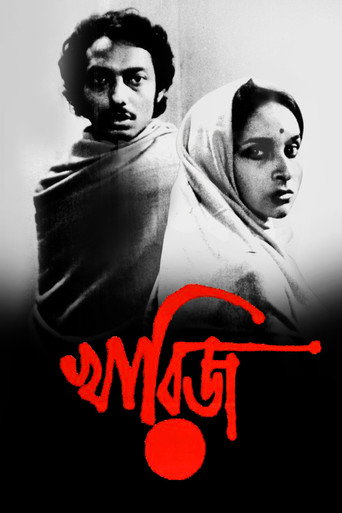
The Case Is Closed
A pre-teenager servant boy dies of carbon monoxide poisoning on a cold winter night in the kitchen. The happy household is suddenly thrown into a psychological trauma. Torn between a sense of guilt and fear of a police case and consequently scandal, the employer and his wife expose their petty, hypocritical selves.
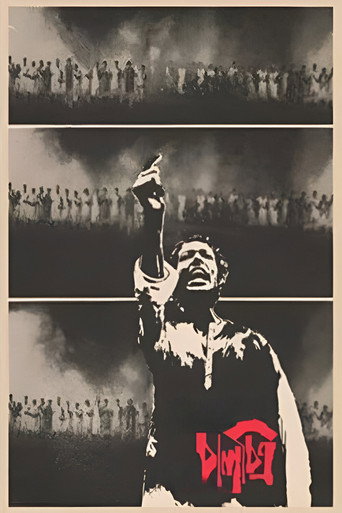
Kaleidoscope
Burning with a desire to be a journalist, a young man gets his chance when a publisher -- the father of a friend -- suggests that he write a story on the daily life of the people in his house (several families worth of people). The material turns out to be too incohesive and abundant to work into a pointed, thematic article, and just when he is about to give up, his younger brother asks him a simple question: "How many coal burners are there in Calcutta?" This triggers an idea for a story about Calcutta's pollution -- and the aspiring journalist dreams of myriads of burner-toting citizens invading the publisher's home demanding redress. Maybe he is finally on the way to a story that matters.
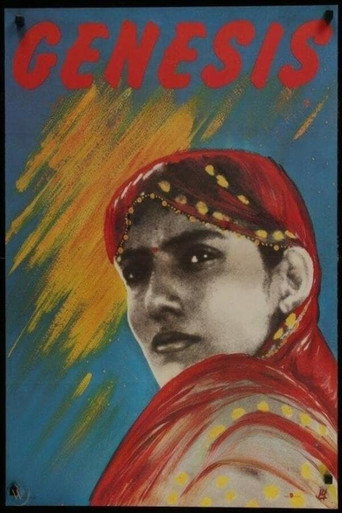
Genesis
This is a simple, straightforward tale about the rise and fall of human civilization that focuses solely on four characters: a farmer (Naseeruddin Shah), a weaver (Om Puri), a trader (M.K. Raina), and a woman (Shabana Azmi). At the beginning of the story, the workers in a decaying village are offered food and water if they work for the local lords. The farmer and the weaver refuse. The farmer grows food for them both, and the weaver creates textiles that uses to barter with an itinerant trader. One day a frightened, lonely woman arrives on the scene and she is taken in by the two men. She cooks and cleans, and before long becomes a source of contention. Meanwhile, the trader is observing these events from the sidelines.
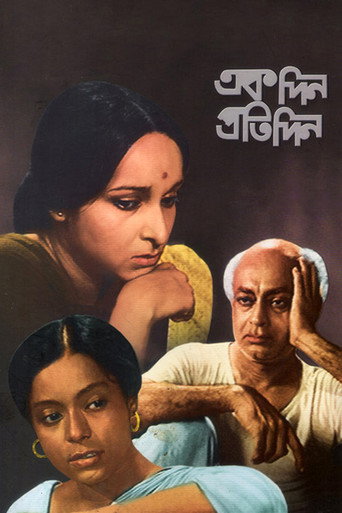
And Quiet Rolls the Dawn
The bread-winning daughter in a middle-class family fails to return from work one evening. The saga begins with worries at home, followed by midnight searches and finally a deepening crisis arising out of economic and moral constraints prevalent in the society. Yet the film speaks of hope and of strength hidden behind despair.
Gallery