Mouna Noureddine Movies, TV Shows, and Filmography
Mouna Noureddine
Acting
Biography
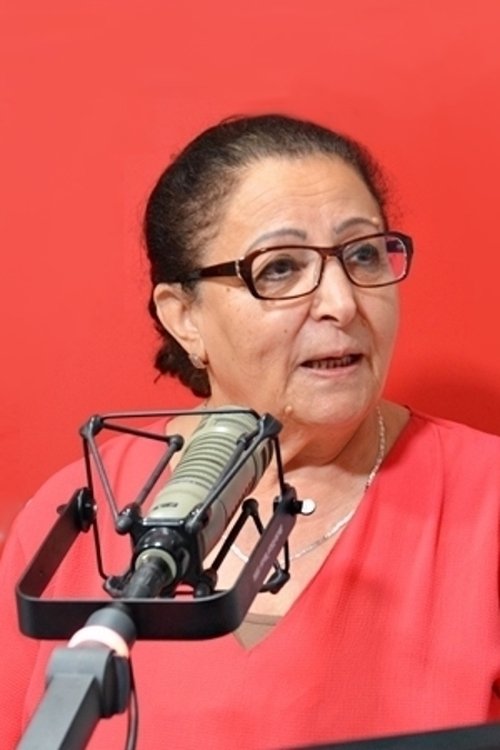
Mouna Noureddine was born on January 23, 1937 in Tunis, French Protectorate of Tunisia. She is an actress, known for L'ombre de la terre (1982), La saison des hommes (2000) and Aziza (1980).
Filmography Movies
Acting
Symphony of Rain
Directed by Abdella Zarok.

In the Land of Tararani
Anthology film portraying the stories from the collection Sleepless Nights by Ali Douagi.

The Balad of Mamelouk
Mamluk is an unassuming, handsome young peasant who happens to have come along just in time to save the king from a fatal trap, and as a reward, the king offers him the amount of land he can mark off by walking around in one day but he must return to the starting point before sunset.

Layla, Ma Raison
Since childhood, Qays and Layla have been in love. Qays, being a poet, publicly sings of his love, crying it out joyously far and wide - just the sort of public proclamation which was strictly condemned at the time. Distraught yet fearless, Qays stubbornly proclaims with all the more vigor his love for Layla, who remains entrapped by her own clan.

The Season of Men
An 18 year old on the island Djerba, Aicha, is married to Said, who works in Tunis for much of the year. Aicha breaks with tradition and decides to join Said in Tunis, weaving rugs to make money. Said asks that she give him a son, so Aicha lives under the rule of her mother-in-law.

Choufli Hal, New Year's Movie
Following the arrival of the New Year, Slimane's wife, Zeineb, suggests spending New Year's Eve in a hotel. Meanwhile, his mother Douja, desperate to have her date canceled, makes a plan with Slimane's mother, Fadhila, to leave with them. The couple then meets for this evening with their mothers, as well as Sboui, his wife Azza and his children. Sboui, Slimane's brother, continues to do stupid things at the hotel which makes the stay unpleasant for the couple. Remaining in Tunis, Fouchika finds himself alone with Béji. He had planned this evening with his friend Sboui but finds himself with his former boss because he is having marital problems. However, Béji receives a phone call from his wife and reconciles with her. Shortly after, Béji leaves to join his wife at her in-laws, leaving Fouchika alone.
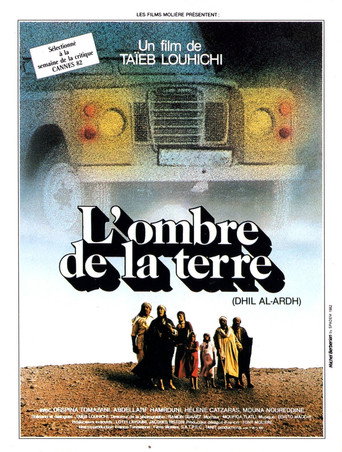
The Shadow of the Earth
Rich in environmental mood and ethnic color, this human drama chronicles the lives and rituals of a nomadic Berber tribe in the southern Tunisian desert, especially focusing on a son about to inherit the full mantle of leadership. When he sees that their sheep are threatened with a possibly devastating illness, the precarious nature of the group's existence is brought home to him and he leaves to gain a livelihood and knowledge in the city. Once he gets back, bringing money and presents, it first appears that the group will be assured of a better future because of his enterprising outreach. Yet military and governmental officials arrive on the scene to take a census and the young man is conscripted, against his will.
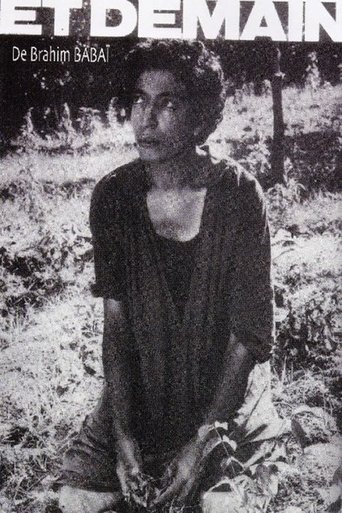
And Tomorrow...?
Three farmers decide to leave their village, where the spring has dried up, and move to the city. Salem, the youngest, rebels because he cannot find work. A young woman plays the role of conscience to the villagers who remain in front of their televisions watching the modern world, without changing their situation. Their difficult search for work raises the issues of unemployment, rural exodus, and emigration.

The Trace
A determined young woman in a remote Tunisian city bucks tradition by studying for an academic degree, instead of accepting the time-honored, submissive role of her sex as a wife and housekeeper for some 'mustached man'.
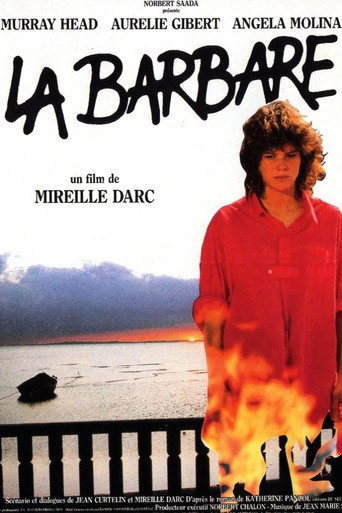
The Savage
Story of a teenage girl whose father dies. She goes to live with her father's friends, a couple. As a sort of revenge on her Father, whom she hates for abandoning her and her mother, she seduces Murray Head, ruining his life. From destroying his and his wife's lives, her own life is reborn.
Gallery