Monique Simard Movies, TV Shows, and Filmography

Monique Simard
Production
Biography
No biography available.
Filmography Movies
Acting
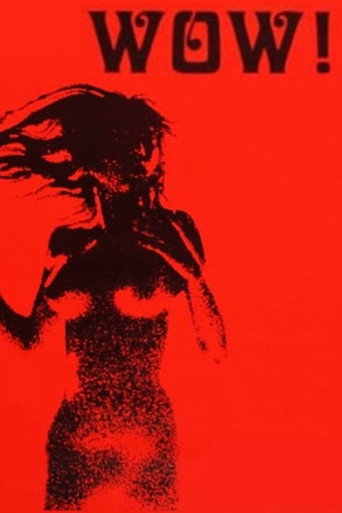
Wow
In this French Canadian film, the lives of teenagers are examined in fantasy sequences and through the use of documentary interviews. Prompted by the filmmaker, nine teenagers individually act out their secret dreams and, between times, talk about their world as they see it. The fantasy sequences make creative use of animation, unusual film-development techniques, and stills. Babette conceives of herself as an abbess defending her fortress, a convent; Michelle is transported in a dream of love where all time ceases; Philippe is the revolutionary, defeating all the institutions that plague him, and so on, through all their fantasies. All the actual preoccupations of youth are raised: authority, drugs, social conflict, sex. Jutra's style in "Wow" exhibits his innovative approach to storytelling and filmmaking, showcasing his talents as a director during that period. With English subtitles.

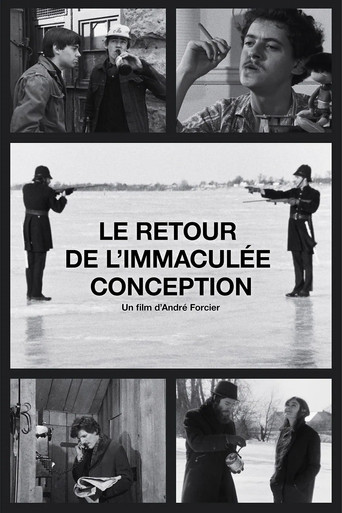
The Return of the Immaculate Conception
In Montréal's east-end, a group of over-grown kids, disappointed in their lives, spend their time hanging out on street corners, patronizing bars and frequenting seedy apartments and back alleys.
Production
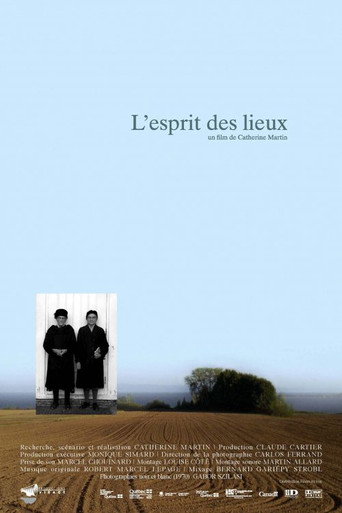
L'esprit des lieux
In 1970, Hungarian-Québécois photographer Gabor Szilasi set out for the Charlevoix region of Québec to photograph the last vestiges of a disappearing rural world. Thirty-five years later, filmmaker Catherine Martin (Océan, Dans les villes, Trois temps après la mort d’Anna) went back to revisit the landscape, places and people he photographed. The Spirit of Places retraces Szilasi’s photographic journey, taking stock of what remains and what has disappeared.
Wow
In this French Canadian film, the lives of teenagers are examined in fantasy sequences and through the use of documentary interviews. Prompted by the filmmaker, nine teenagers individually act out their secret dreams and, between times, talk about their world as they see it. The fantasy sequences make creative use of animation, unusual film-development techniques, and stills. Babette conceives of herself as an abbess defending her fortress, a convent; Michelle is transported in a dream of love where all time ceases; Philippe is the revolutionary, defeating all the institutions that plague him, and so on, through all their fantasies. All the actual preoccupations of youth are raised: authority, drugs, social conflict, sex. Jutra's style in "Wow" exhibits his innovative approach to storytelling and filmmaking, showcasing his talents as a director during that period. With English subtitles.
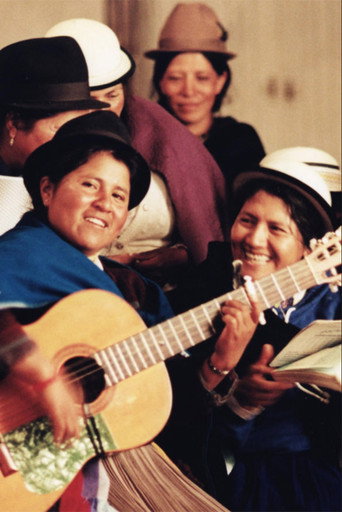
A Score for Women's Voices
Between March and October 2000, millions of people around the world took to the streets to denounce poverty and violence against women. The historic World March of Women was a bold initiative of the Québec Federation of Women and represented a turning point in global solidarity. Director Sophie Bissonnette invited five filmmakers from around the world to cover the march. She also asked each one to film an innovative project. Set against the backdrop of a song, 'A Score for Women's Voices' ends at the UN, where women deliver 5 million cards signed during the marches. Their goal? To change the world.
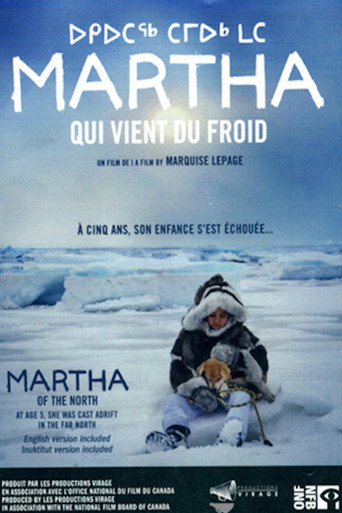
Martha of the North
In the mid-1950s, lured by false promises of a better life, Inuit families were displaced by the Canadian government and left to their own devices in the Far North. In this icy desert realm, Martha Flaherty and her family lived through one of Canadian history’s most sombre and little-known episodes.
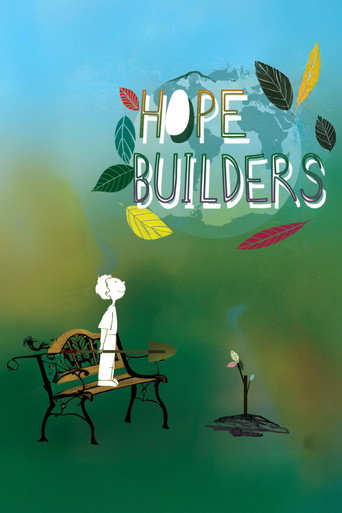
Hope Builders
This feature documentary zooms in on a Grade 6 class in Quebec where a teacher is implementing an experimental teaching method aimed at preparing children to take up environmental challenges. Over the course of a year, Dominique Leduc’s students will learn to identify, analyze and resolve a problem that exists in their world. They also learn about the uncertainty faced by those who want change.
Gallery