Directing
No biography available.
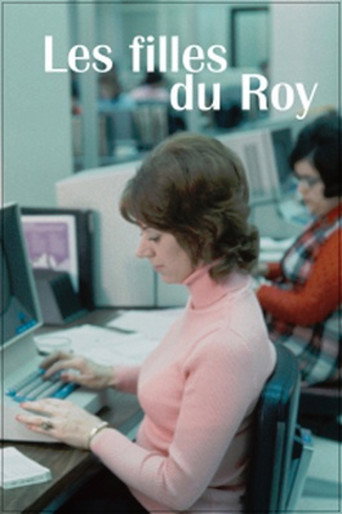
The history of the roles of women in Quebec society, beginning with the women shipped from France to the New World by the King to populate the colony with the men already there, and ending with the modern career woman.
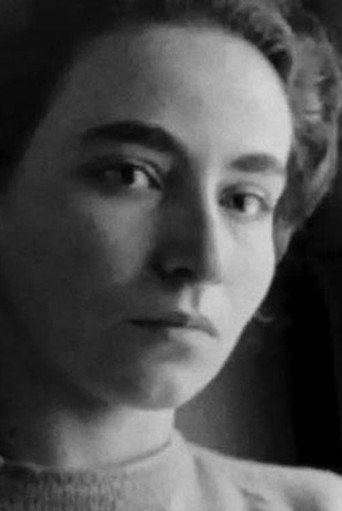
Monique Fortier was one of the few women to make her way in the male world of the NFB in the 1950s. But make her way she did. Beginning as a secretary, she graduated to editing and in 1963 she became the first francophone woman to direct her own film, À l'heure de la décolonisation. Her NFB colleague Anne Claire Poirier would make her first film the same year. Fortier subsequently returned to editing, quietly labouring at the Steenbeck, shaping films that helped define Direct Cinema.
A two-part in-depth exploration of the evolution of the private film industry, seen through the eyes of more than 50 industry professionals. Part One (1939-1979) : Artists and professionals from the social and commercial film sectors recount the struggle to build a film industry that is privately operated yet publicly funded. Part Two (1980-2010) : Executives, policymakers, and industry professionals trace the origins of the major funding institutions and discuss the unintended consequences of building a cultural industry around performance metrics, revenue generation, and private profit.
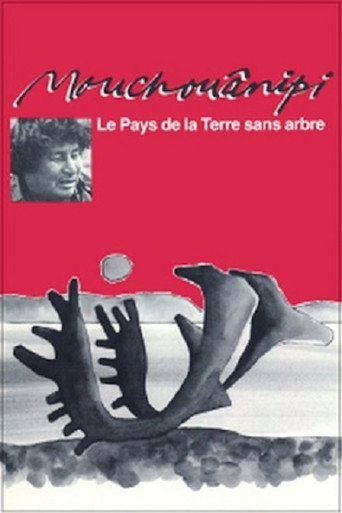
This documentary is about the Montagnais from Saint-Augustin et de La Romaine Indian reserve, in the region of the Côte-Nord in Quebec. Perrault approach those First Nations Citizens in order to discover that even if in our traditional occidental thinking and culture we consider ourselves superior to them, we still have a lot to learn from their traditions and ancestral way of living. Through a warm, human and respectful gaze, Perrault looks at the repercussions of European civilization's influence on Aboriginal culture, exploring the imagination and the codes of Native from Canada. The result, contradictory yet profound, was especially striking thanks to the sublime images captured by Gosselin within close relations with the Cinéma-Direct tradition in witch Perraut is one if not the greatest ambassador in the world.
It is a documentary joining 3 periods of filming in the Mouchouanipi, which is a faraway land in the North of eastern Canada.
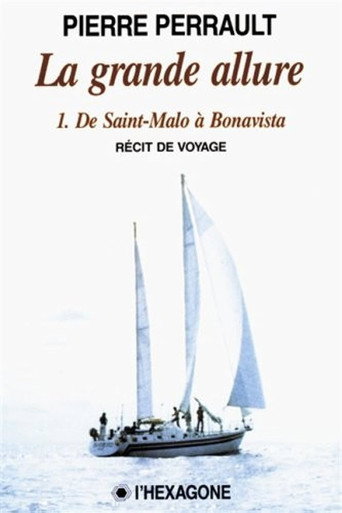
This documentary produced for TV follows a project consisting in remaking the journey of discoveries in the footsteps of Cartier's book. Sailors, some from Saint-Malo, others from the river, were entrusted with the care of navigation.
In this feature documentary, a Haitian, exiled in Canada for twenty years, returns to his country after the departure of Jean-Claude Duvalier. Through his encounters with former friends, professors and colleagues, the face of this newfound Haiti gradually takes shape… Shot in Haiti after the fall of the Duvalier regime, this film, beyond a simple observation, shares with us the hopes of the Haitian people as well as their fears and uncertainties regarding this country that has yet to be built.
This short film is a series of vignettes of life in Saint-Henri, a Montreal working-class district, on the first day of school. From dawn to midnight, we take in the neighbourhood’s pulse: a mother fussing over children, a father's enforced idleness, teenage boys clowning, young lovers dallying - the unposed quality of daily life.
"This documentary depicts a canoe being built in the traditional manner. Cesar Newashish, a 67-year-old Attikamek of the Manawan Reserve North of Montréal, uses only birchbark, cedar splints, spruce roots, and gum. With a sure hand he works methodically to fashion a craft unsurpassed in function or beauty of design. Building a canoe solely from the materials that the forest provides may become a lost art, even among the Native Peoples whose traditional craft it is. The film is free of spoken commentary but text appears on the screen in Cree, French, and English." - Anthology Film Archives
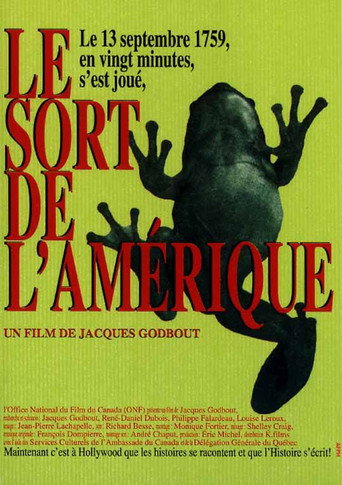
Two well-known Quebec artists (filmmaker Jacques Godbout and playwright René-Daniel Dubois) look at the Battle of the Plains of Abraham. Whose version of this historic event should prevail? Is history best served by documentary or fiction? We also meet Baron Georges Savarin de Marestan and Andrew Wolfe-Burroughs, direct descendants of Montcalm and Wolfe, both of whom died in the battle that would give birth to Canada and to the province of Quebec.
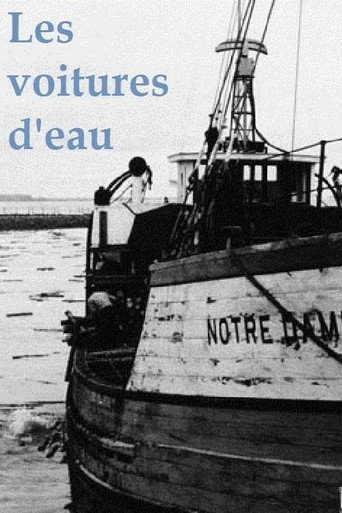
The people of Ile-aux-Coudres talk of their fading tradition of constructing boats to ride the seas.
This short documentary shows the reactions of European immigrants as they land in Halifax at the beginning of the 1960s. From the port, we follow them on a snowy journey by train to Montreal.