Mohsen Makhmalbaf Movies, TV Shows, and Filmography
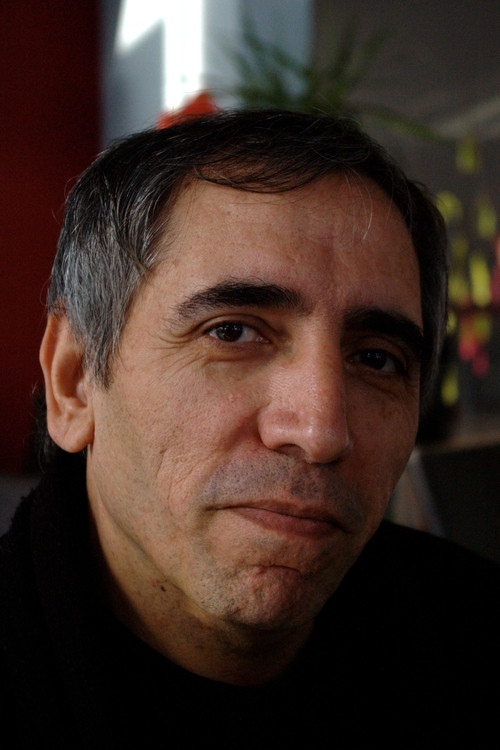
Mohsen Makhmalbaf
Directing
Biography
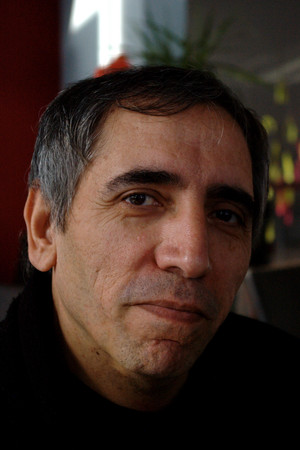
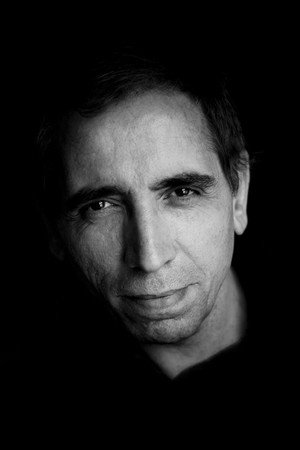
From Wikipedia, the free encyclopedia. Mohsen Makhmalbaf (Mohsen Mäxmälbaf, born May 29, 1957) is an Iranian film director, writer, editor, and producer. During 2007 he was the president of Asian Film Academy. Makhmalbaf's films have been widely presented in international film festivals in the past ten years. The multi-award-winning director, belongs to the new wave movement of Iranian cinema. Time magazine selected Makhmalbaf's 2001 film, Kandahar, as one of top 100 films of all time. In 2006, he was a member of the Jury at the Venice film festival. Makhmalbaf left Iran in 2005 shortly after the election of Mahmoud Ahmadinejad and now lives in Paris. As of June 12, 2009, and following the events of the 2009 Iranian presidential election, Mohsen Makhmalbaf has claimed that he has been appointed the official spokesman of Mir-Hossein Moussavi's campaign abroad. Description above from the Wikipedia article Mohsen Makhmalbaf, licensed under CC-BY-SA, full list of contributors on Wikipedia.
Filmography Movies
Acting
Close-Up
This fiction-documentary hybrid uses a sensational real-life event—the arrest of a young man on charges that he fraudulently impersonated the well-known filmmaker Mohsen Makhmalbaf—as the basis for a stunning, multilayered investigation into movies, identity, artistic creation, and existence, in which the real people from the case play themselves.
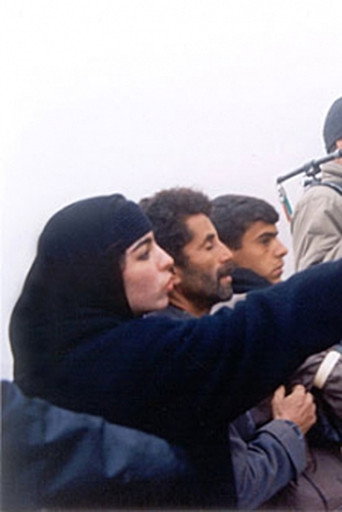
How Samira Made 'Blackboards'
The film and camera of Maysam Mkhamlbaf, Samira's brother follows her like an invisible eye. From her first subconscious presence as an actor, when she was one months old and crying in her mothers arms, while acting in a feature movie made by his father up to her first conscious appearance as an 8 year old child actor in the movie Cyclist made by his father in Pakistan. From when Samira made her first movie Apple at 17 or when she goes to visit the two imprisoned girls in the movie "Apple" and when she is occupied with changing the professional actor of the movie "Blackboard" with a non-professional actor (ordinary people) and even when she was attending the Cannes Film Festival in the years 1998 and 2000.
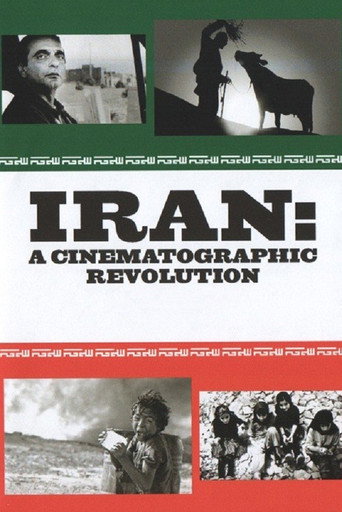
Iran: A Cinematographic Revolution
Today Iranian cinema is one of the most highly regarded national cinemas in the world, regularly winning festival awards and critical acclaim for films which combine remarkable artistry and social relevance. Iran: A Cinematographic Revolution traces the development of this film industry, which has always been closely intertwined with the country's tumultuous political history, from the decades-long reign of Reza Shah Pahlevi and his son, the rise of Khomeini and the birth of the Islamic Republic, the seizure by militants of the U.S. Embassy in Tehran, and the devastating war with Iraq.
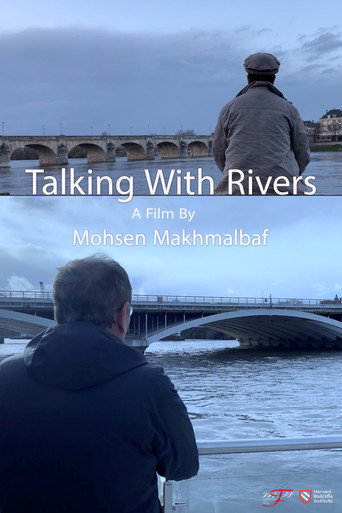
Talking with Rivers
Talking with Rivers is a conversation between Iran and Afghanistan, two neighbouring countries that used to be one land. The two countries are now sharing their stories after they parted from each other, from the era of Soviet invasion to the civil war and the Taliban era, up to and including the rise and fall of America and the return of the Taliban.
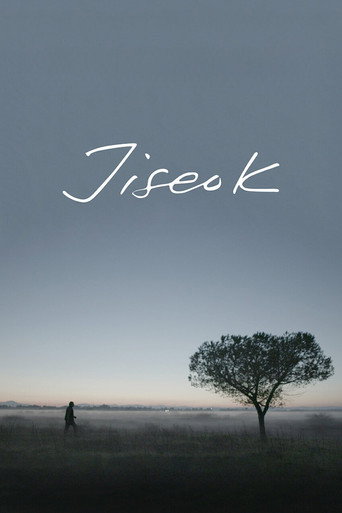
Jiseok
On May 18, 2017, the Busan International Film Festival’s Program Director Kim Jiseok died suddenly and unexpectedly from a heart attack while on a business trip to the Cannes Film Festival. In the face of his unexpected demise, his old friends and colleagues in the film industry recall what tormented him in his last days.
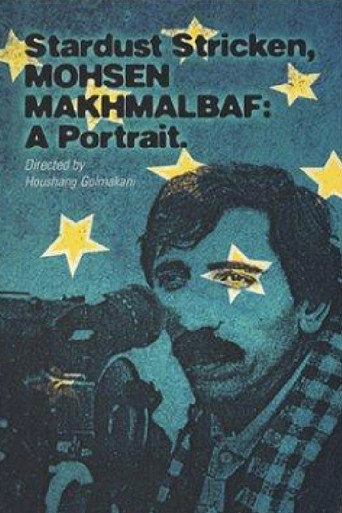
Stardust Stricken: Mohsen Makhmalbaf, A Portrait
Director Mohsen Makhmalbaf claims to have never seen a movie before making his first film. Doubtful as it sounds, this boast matches perfectly with the controversial artist's personae. Stardust Stricken -- Mohsen Makhmalbaf: A Portrait documents the work of this Iranian filmmaker. After spending time in prison for political dissidence, Makhmalbaf discovered the social potential of the cinema. Some of his projects include Marriage of the Blessed and The Actor. While creating around 20 films, the outspoken director established new ideas about the nature of his work. In this release, Makhmalbaf speaks about art, human behavior, and his evolving fundamentalist beliefs.
Afghan Alphabet
Documentary showing the life of children of the Afghan villages bordering Iran, and how their life and culture were affected by Taliban regime.
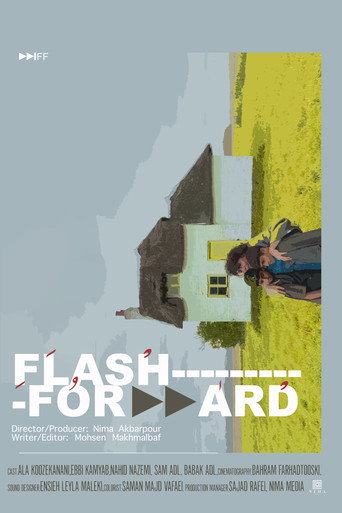
Flash-Forward
A group of friends embark on a magical journey through amazing nature to meet a poet who has spent a lifetime in prison for his poems. It’s a journey where reality and imagination merge…
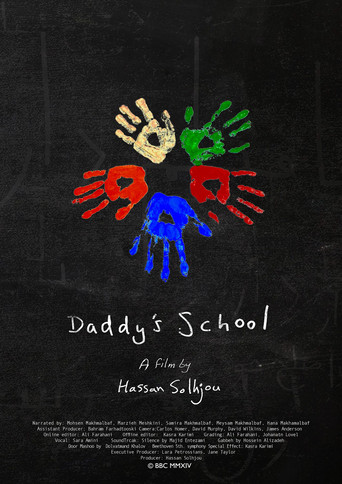
Daddy's School
It is a story of a unique family in the world; A documentary on how a former political imprisoned revolutionary in a religious closed society like Iran, turned his house in to an open Film School and pave to way for his family to became world class film maker and top International award winners , including Cannes Venice , Berlin, San Sebastian , Locarno and many.
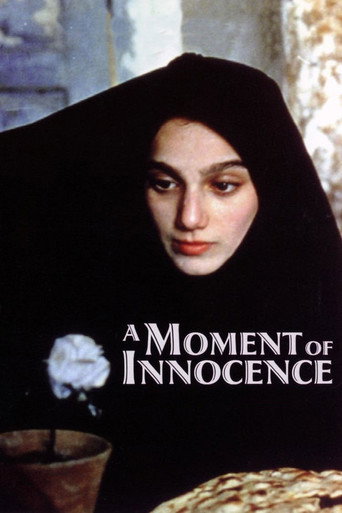
A Moment of Innocence
A semi-autobiographical account of an incident in Makhmalbaf's life when, as a 17-year-old, he stabbed a policeman at a protest rally. Two decades later, he tracks down the policeman he injured in an attempt to make amends.
Production
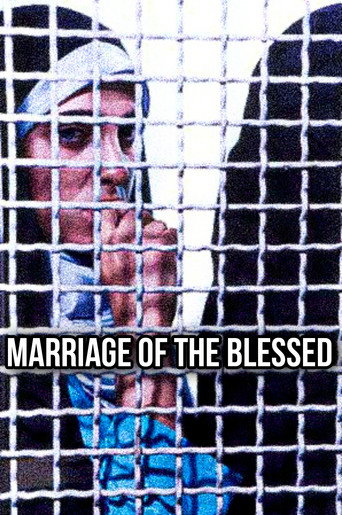
Marriage of the Blessed
Haji is severely traumatized by the war with Iraq. Back from the front, he's unable to adapt to civilian life. Despite family opposition, his fiancée stands by him as together they challenge both the authority of family and state to lead their own lives.
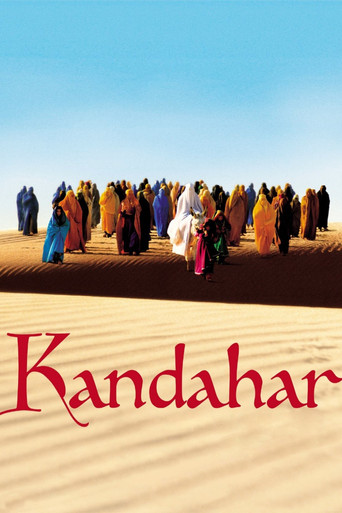
Kandahar
After an Afghanistan-born woman who lives in Canada receives a letter from her suicidal sister, she takes a perilous journey through Afghanistan to try to find her.
Kandahar
After an Afghanistan-born woman who lives in Canada receives a letter from her suicidal sister, she takes a perilous journey through Afghanistan to try to find her.
Kandahar
After an Afghanistan-born woman who lives in Canada receives a letter from her suicidal sister, she takes a perilous journey through Afghanistan to try to find her.
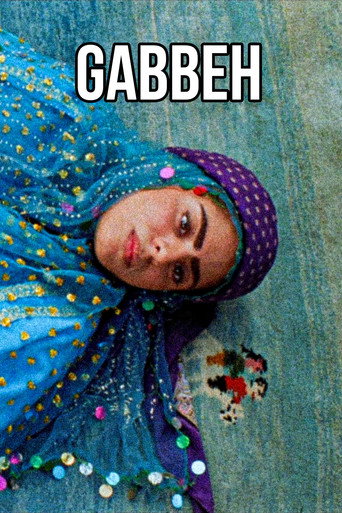
Gabbeh
An elderly couple go about their routine of cleaning their gabbeh, while bickering gently with each other. Magically, a young woman appears, helping the two clean the rug. This young woman belongs to the clan whose history is depicted in the design of the gabbeh, and the rug recounts the story of the courtship of the young woman by a stranger from the clan.
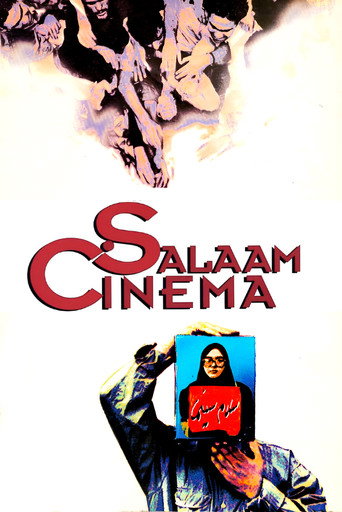
Salaam Cinema
Makhmalbaf puts an advertisement in the papers calling for an open casting for his next movie. However when hundreds of people show up, he decides to make a movie about the casting and the screen tests of the would-be actors.
Marriage of the Blessed
Haji is severely traumatized by the war with Iraq. Back from the front, he's unable to adapt to civilian life. Despite family opposition, his fiancée stands by him as together they challenge both the authority of family and state to lead their own lives.
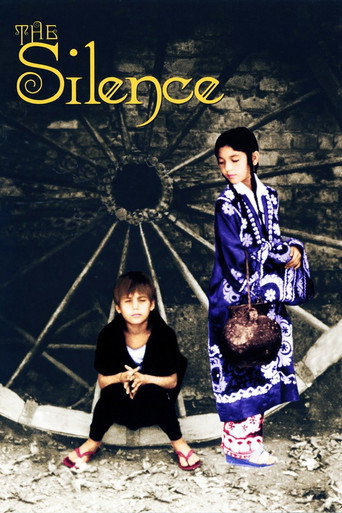
The Silence
Khorshid, a blind child growing up in Tajikistan, is constantly distracted by music and sounds. This frequently causes him to be late to his job as an instrument tuner even though he runs the risk of being fired at a time when his family is in danger of being evicted from their house.
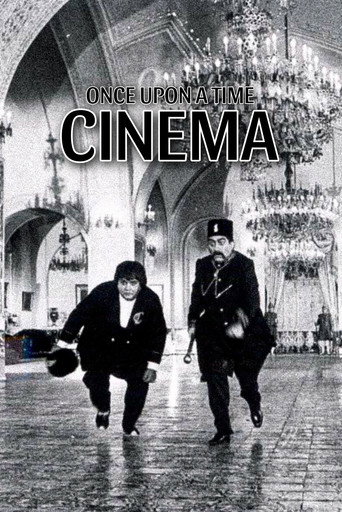
Once Upon a Time, Cinema
The film follows a character known as The Cinematographer, who is looking for someone called Atieh (Future). As he calls out to her, he is magically transported back in time from the early twentieth century to the reign of Naser al-Din Shah in 19th century Iran. Captured by the Shah's guards, he shows films from the history of Iranian cinema to the Shah. The Shah is entranced and eagerly shows his family the apparently magical medium.
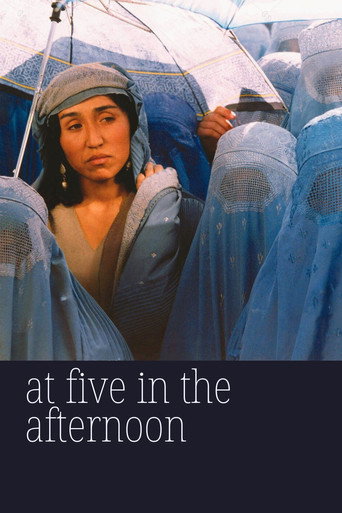
At Five in the Afternoon
Nogreh is a young Afghani woman living with her father and her sister-in-law, Leylomah, whose husband, Akhtar, is missing. Beyond the issue of Akhtar, Leylomah is most concerned with how to feed her baby. She cannot provide milk for her baby as her own hunger is preventing her from lactating. Nogreh, however, aspires toward a life in a western styled democracy. Although the Taliban are no longer in power in Afghanistan, traditional forces are still active in the country. Nogreh often displays signs of rebellion, such as wearing a pair of white pumps instead of the traditional slipper beneath her burqa. But mostly, Nogreh wants to be educated. Without her father's knowledge, Nogreh is attending a secular girls school. Ultimately, she wants to become President of Afghanistan. With the help of a Pakistani refugee who likes her as a woman, Nogreh tries to understand exactly what forces led to current world leaders being elected, those forces which she wants to emulate.
Gallery