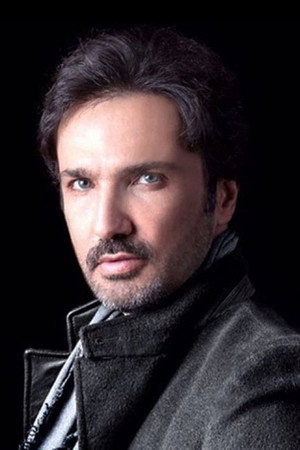
Mohammad Reza Foroutan Movies, TV Shows, and Filmography

Mohammad Reza Foroutan
Acting
Biography
Mohammad-Reza Foroutan is a PhD candidate in Clinical Psychology at Islamic Azad University. His acting in an episode of the mystery drama ‘Clue’ (1996) brought him an offer to play in Masoud Kimiai’s film. He achieved a nation-wide fame after appearing in ‘Mercedes’ (1997) and ‘Objection’ (1999). Shining in movies such as ‘Red’ (1998), ‘Two Women’ (1998), ‘Born in the Month of Mehr’ (1999), ‘Under the City’s Skin’ (1999), and ‘Winter Solstice’ (2000) made him a superstar. He has also acted in movies such as ‘The Target’ (1994), ‘The Last Port’ (1994), ‘Friday Soldiers’ (2003), ‘Octopus’ (2004), ‘The Bachelors’ (2004), ‘Kandelous Gardens’ (2004), ‘While Everyone Was Asleep’ (2005), ‘Cold Soil’ (2005), ‘The Night Bus’ (2006), ‘Hidden Feeling’ (2006), ‘The Second Woman’ (2007), ‘My Child’ (2008), ‘14-Karat’ (2008), ‘Invitation’ (2008), ‘Being 40’ (2009), ‘The Other Man’ (2009), ‘The Pact’ (2011), ‘Unfinished Tajrish’ (2011), ‘No One, Nowhere’ (2012), ‘Metropol’ (2013), ‘Sensitive Level’ (2013), and ‘Night Shift’ (2014). He has appeared in series such as ‘The Forgotten’ (2010) and ‘Ancient Land’ (2010) as well. Foroutan received two Crystal Simorghs for Best Actor for his leading role in the physiological thriller ‘Red’(1998) and ‘Slowly’ (2005). He has bagged two Golden Statues for Best Actor in a Leading Role at the Iran Cinema Celebration Awards for ‘Winter Solstice’ and ‘Red’.
Filmography Movies
Acting
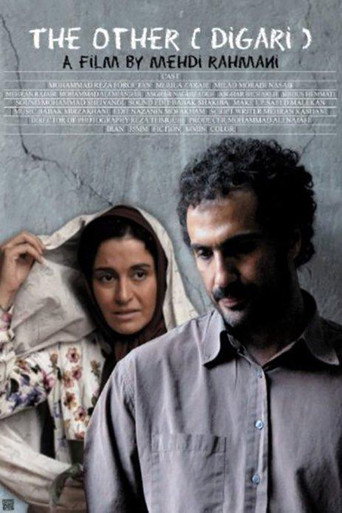
The Other
his movie follows a boy who lives with his mother in a village. The boy has lost his father and needs to travel to Tehran with his soon to be stepfather.
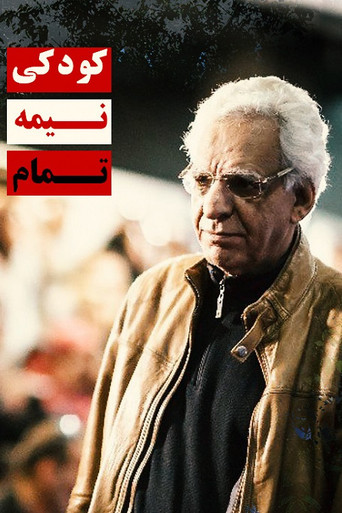
Semi-Finished Childhood
A documentary about Kiumars Pourahmad (Persian: کیومرث پوراحمد) (16 December 1949 – 5 April 2023). Pourahmad was an Iranian film director, screenwriter, film editor, and film producer.
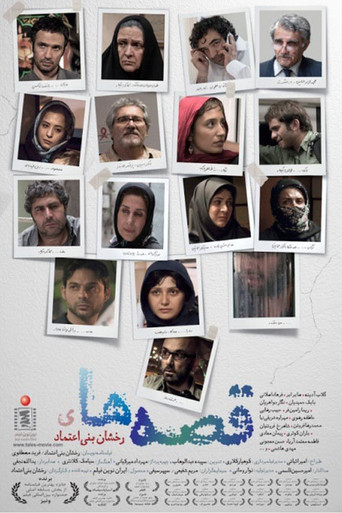
Tales
Award-winning Iranian filmmaker Rakshan Banietemad ends her eight-year hiatus from feature filmmaking with this ingenious, mosaic-like narrative, which knits together the stories of seven characters to create a microcosm of Iranian working-class society.
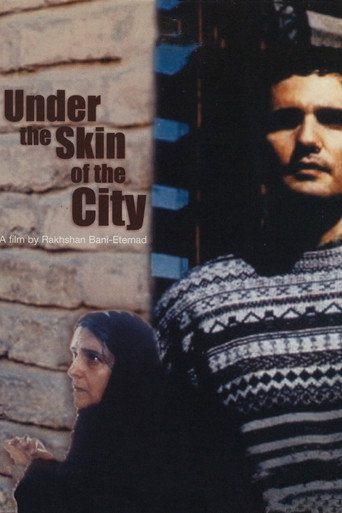
Under the Skin of the City
Tuba works daily at a grueling textile factory in Iran, returning home every night to deal with the rest of her problematic family, which includes: a pregnant daughter whose husband beats her regularly; a teenage son, who's been getting into trouble due to his burgeoning career in radical politics; and an older son who goes to great lengths--such as attempting to sell the family's meager house--in order to get an engineering job in Japan as a means of getting out of Iran.
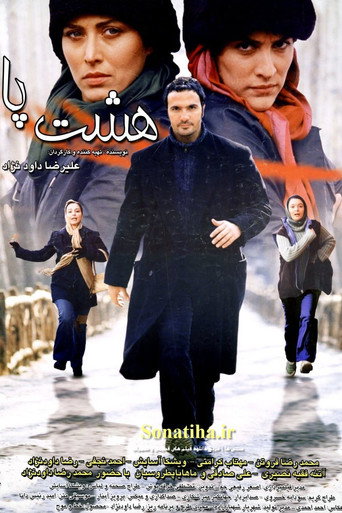
Octopus
Four women from various walks of life attempt to embezzle money from a credit institution
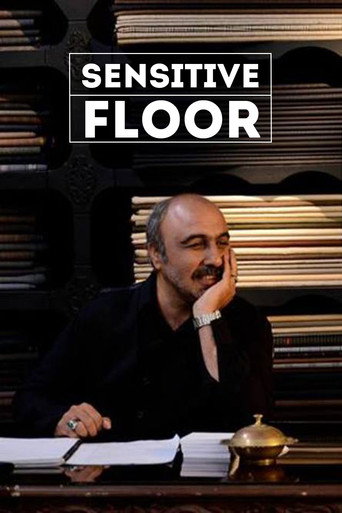
Sensitive Floor
After an unexpected incident happens for a middle-aged man's wife's corpse, he gets very depressed, anxious and violent.
The Other Wife
A recently married couple face the intrinsic dynamics of a couple's relationship during personal turmoil. Themes of love, exploration and the symbolism of marriage flow throughout. The bleak, isolated winter setting which was once a getaway for the couple now begins to mirror the very cracks and frosty coldness present in their own lives. 'The Second Wife' portrays the highs and lows of the reality of marriage, but will love prevail for this couple or is their romance destined to be tortured forever?
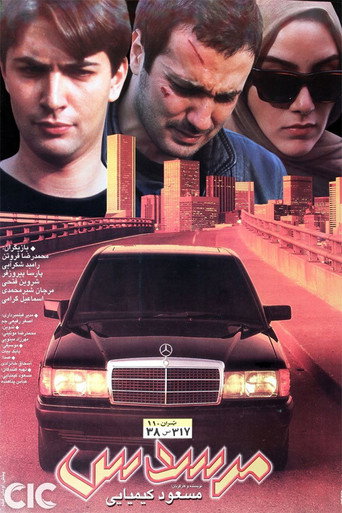
Mercedes
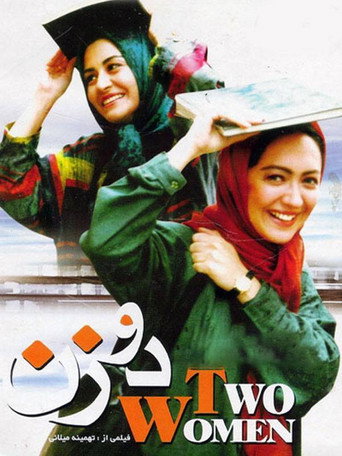
Two Women
A sensation when released in 1999 in Iran, Two Women charts the lives of two promising architecture students over the course of the first turbulent years of the Islamic Republic. Tahimine Milani creates this scathing portrait of those traditions - aided by official indifference - which conspire to trap women and stop them from realizing their full potential; the inclusion of frank depictions of domestic violence was hailed by many as a breakthrough in dealing with a long taboo subject.
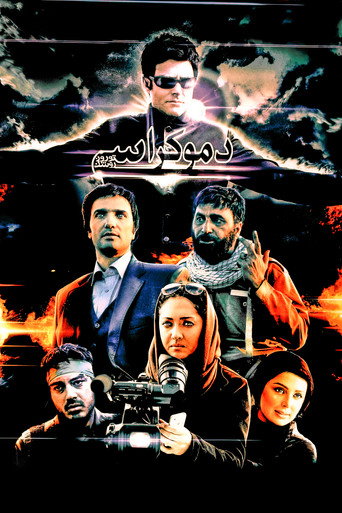
Democracy in Daylight
The story of life of an Iranian army leader who has faults in his life and now in purgatory wants to retaliate for his faults.
Gallery