Mohamed Soueid Movies, TV Shows, and Filmography

Mohamed Soueid
Directing
Biography
No biography available.
Filmography Movies
Production
The Insomnia of A Serial Dreamer
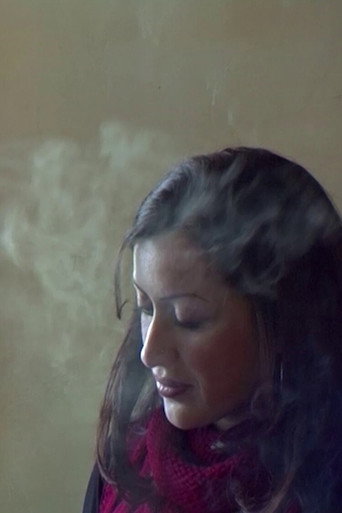
To deal with his insomnia, Mohamed Soueid meets various people and close friends to ask them to tell him stories that could help him get a good night's sleep. After filming for 15 years, the collected rushes have become a film, a series of dreams that have come true and haunted the filmmaker until today.
The Insomnia of A Serial Dreamer
To deal with his insomnia, Mohamed Soueid meets various people and close friends to ask them to tell him stories that could help him get a good night's sleep. After filming for 15 years, the collected rushes have become a film, a series of dreams that have come true and haunted the filmmaker until today.
As Far as Yearning
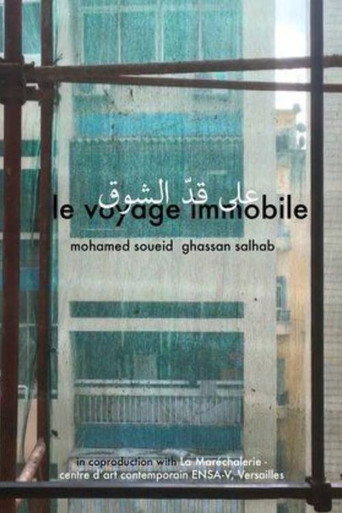
A yearning in an unsettled space that, once, was shared and breathed by two cineastes, living in two different cities, trying to sustain their longing through each other’s scattered images, sounds, and monologues, pieced together in one film, one dialogue, one soul flown away by loneliness and fallen apart like a forsaken angel. Aala kad al shawk - Le Voyage immobile (or As Far as Yearning) is that dialogue-in-progress taking the shape of a film composed by sound, performed by words, perforated by images still in motion. Ghassan Salhab and Mohamed Soueid are embracing a sense of survival. This film is a sixth sense they nurtured in a world that has become faceless. Their film essay is a personal attempt to be two in one. Disguised as men, they walk among men who left behind their shadows.
The Insomnia of A Serial Dreamer
To deal with his insomnia, Mohamed Soueid meets various people and close friends to ask them to tell him stories that could help him get a good night's sleep. After filming for 15 years, the collected rushes have become a film, a series of dreams that have come true and haunted the filmmaker until today.
My Heart Beats Only for Her
A son pieces together his father’s revolutionary past from the diary he’s found, painting a portrait of fathers and sons who were revolutionaries during the 1970s. Most interestingly, the film sheds light on the contrast between the lives of men who ached to change the world vs the men who now seek to just get by.
Tango of Yearning
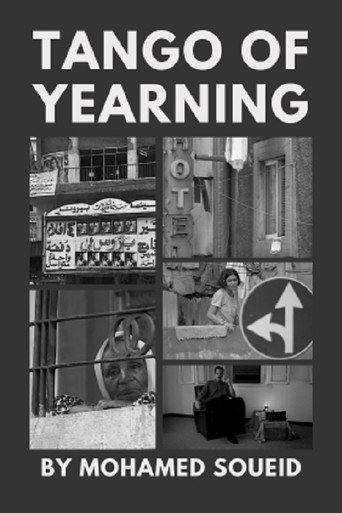
Tango of Yearning (1998) is the first episode of an autobiographical trilogy on postwar Lebanon, later including Nightfall (2000) and Civil War (2002). Taking its title from Tango of Hope, a classic ballad by Nur al-Huda, the film draws from the director’s reflections on war, love, and cinema, as well as his personal experience at the public television channel TéléLiban. Conjuring various snippets of audiovisual archival material, the film is a poetic elegy to film, Beirut’s movie theaters, and a city undergoing radical transformation. Mohamed Soueid has long been a proponent of the experimental video documentary movement in Lebanon, playing a significant role in the country’s creative renaissance since the end of the civil war. Originally trained as a news videographer during the war, the experience offered him a facility with the medium, which he further developed by making non-linear documentary films with a distinctly personal take.

Cinema Fouad
Cinema Fouad is a documentary portrait of Khaled El Kurdi, a Syrian trans woman living in Beirut, where she earns a living as a domestic worker and belly dancer. Soueid shows us scenes of El Kurdi’s domestic world: eating, applying make-up, dancing in her bedroom, all while reflecting on her life and experiences. She expresses her desire to undergo gender reassignment surgery, and mourns the death of her lover, a Palestinian freedom fighter. She often alludes to the aggressions she faces outside of her home, and through her adept defiance in the face of some of Soueid’s more goading questions, we recognize the echoing of these aggressions in his role as interviewer.
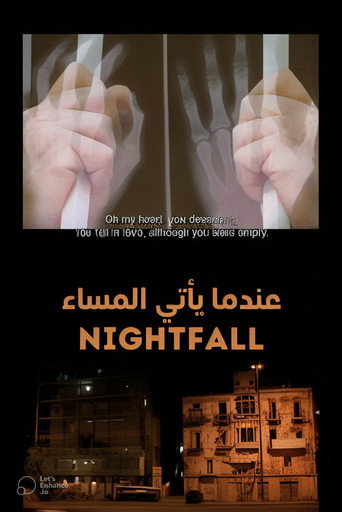
Nightfall
In 1975, a group of young Lebanese men joined the Palestinian organization “Fateh”. Known as the “Student Brigade”, they took part in the Lebanese Civil War. Some of them were killed, others left the country. Following the Israeli invasion in 1982, Palestinian armed forces left Lebanon. The “Student Brigade” disbanded, and the once young Lebanese fighters have now become old, nursing their solitude with alcohol, poetry, and songs.
Nightfall
In 1975, a group of young Lebanese men joined the Palestinian organization “Fateh”. Known as the “Student Brigade”, they took part in the Lebanese Civil War. Some of them were killed, others left the country. Following the Israeli invasion in 1982, Palestinian armed forces left Lebanon. The “Student Brigade” disbanded, and the once young Lebanese fighters have now become old, nursing their solitude with alcohol, poetry, and songs.
Nightfall
In 1975, a group of young Lebanese men joined the Palestinian organization “Fateh”. Known as the “Student Brigade”, they took part in the Lebanese Civil War. Some of them were killed, others left the country. Following the Israeli invasion in 1982, Palestinian armed forces left Lebanon. The “Student Brigade” disbanded, and the once young Lebanese fighters have now become old, nursing their solitude with alcohol, poetry, and songs.
Gallery