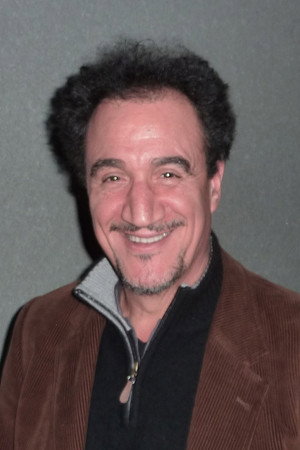
Mohamed Fellag Movies, TV Shows, and Filmography
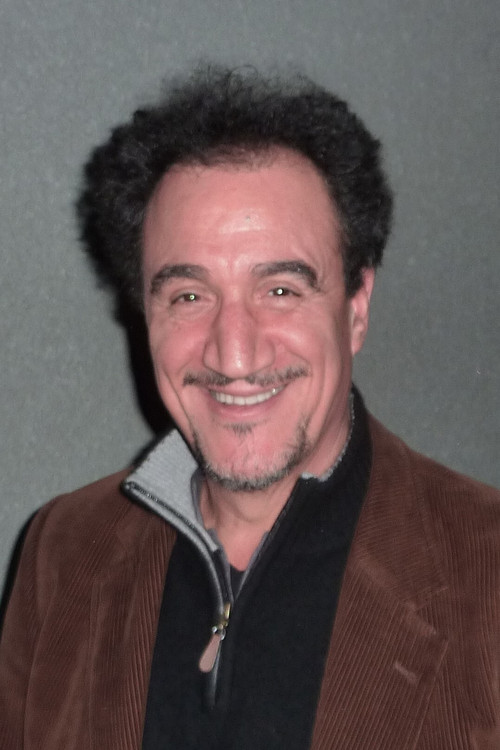
Mohamed Fellag
Acting
Biography
Mohand Fellag (in Arabic محمد فلاق; in Berber ⴼⴻⵍⵍⴰⴳ), known as Mohamed Fellag or simply "Fellag" or sometimes Mohamed Saïd Fellag, is an Algerian actor, humorist and writer, born March 31, 1950 in Azeffoun in Algeria. Mohamed Fellag (ⴼⴻⵍⵍⴰⴳ in Tifinagh) was born in Azeffoun in Kabylia. He only spoke Kabyle until the family moved to Algiers when he was eight years old. He then learned Algerian Arabic and French. His father, an FLN activist during the war, was killed in a car accident in 1965 during a mission (he was 15). He studied theater at the National Institute of Dramatic and Choreographic Art of Algiers, located in Bordj el Kiffan, from 1968 to 1972. He left the National Theater and founded his company with former students. They write texts, go on tour, play in prisons, factories, etc. He emigrated to Quebec in 1978, then to Paris in 1982, living from small jobs. In September 1985, he returned to Algeria and was hired by the Algerian National Theater to perform "The Art of Comedy" by Eduardo De Filippo. He worked as an actor and director, and began writing his texts, including his first show, "Les Aventures de Tchop" in 1986. He became a star thanks to performances mixing Berber, Arabic and French. In 1991, "Babor Australia" was created in Kabyle, then performed in Algerian Arabic in Paris. At the Théâtre de l'Europe in 1992, it was performed alternately in Kabyle and Algerian Arabic. "Babor Australia", updated to "A boat for Australia" in 2002, is based on a rumor, evoking the imminent arrival in Algiers of an Australian boat supposed to take unemployed people to provide them with employment and accommodation there, which caused a queue in front of the Australian embassy. He directed the Béjaïa theater for a while in 1992-939. The Algerian Civil War broke out, Fellag went on tour in 1994 with "Babor Australia", in Algeria then in Tunisia. At the end of the year, he settled in Tunis where he created "Delirium". In 1995, he went into exile in Paris. He writes there "Djurdjurassique Bled", which is represented alternately in Kabyle and Algerian Arabic. Then, he adapted it into French and this first show in French, created in December 1997, earned him the 1997-1998 Critics' Union Prize, theatrical revelation of the year. Fellag lived with the actress Marianne Épin, who died on December 9, 2017, who staged several of his last shows.
Filmography Movies
Acting
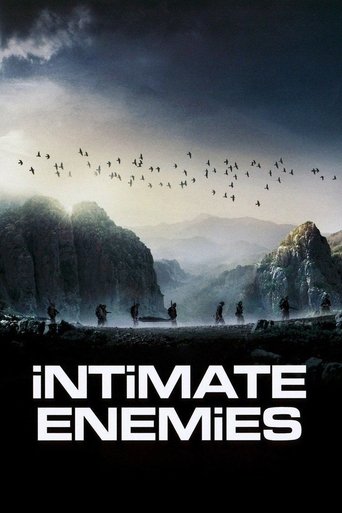
Intimate Enemies
A drama following a French platoon during Algeria's war of independence.
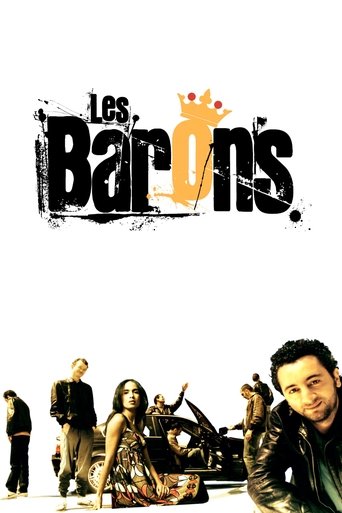
Les Barons
The Barons have a motto: "slack off more to live longer." Every human being is born with a credit of steps. Every step you take brings you closer to death. We Barons know this from the start.
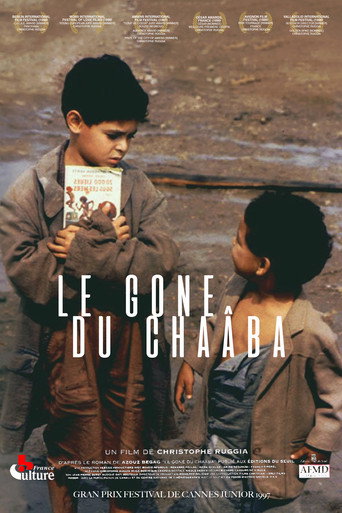
The Kid from Chaaba
Le Gone du Chaâba (The Kid of the Chaaba), translated into English as Shantytown Kid by Naima Wolf, is an autobiographical novel by Azouz Begag about his life as a young Algerian boy growing up in a shantytown next to Lyon, France, called the Chaâba by its inhabitants. The story covers a period of approximately three years in the life of the protagonist and deals with issues developing from the clash between two cultures, that of France and that of North Africa, as well as the difficulties of finding a cultural identity between the two. The story focuses on the cultural differences between the Arab and French communities, as well as how the two groups react to each other
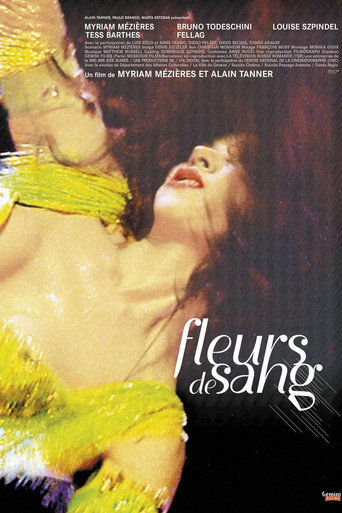
Flowers of Blood
In custody after she murders her middle aged photographer lover, a fourteen year old Pam reflects back on the bohemian life she spent with her mother Lily, a free spirited cabaret performer. Lily tried to elevate her stripper performances from the level of erotic spectacle to artistic expression as she dragged her young daughter from nightclub to nightclub and hotel to hotel, but ultimately lost her at nine to the Paris child authorities.
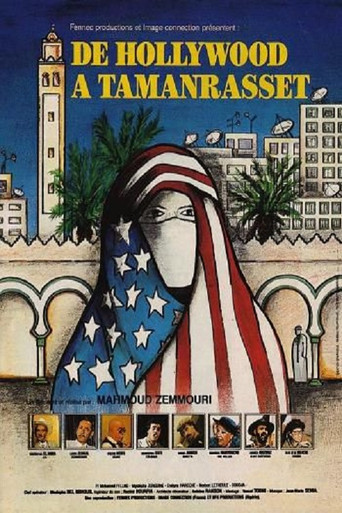
From Hollywood to Tamanrasset
On the outskirts of Algiers, Algeria. the arrival of the satellite dishes governs the lives of the inhabitants. Dissatisfied with their lives, they think of themselves as the heroes of American soap opera and movies, so JR, Sue Ellen, Rambo, Kojak, Spock and others take possession of bodies and minds, with many typical American culture elements. These heroes mix in a beautiful funny mess, with tradition and modernism, Islam and television, reality and fiction.
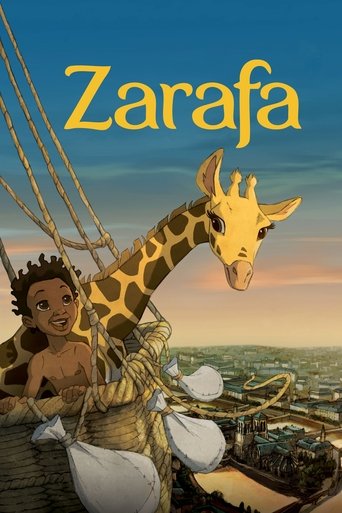
Zarafa
Inspired by the true story of the first giraffe to visit France, Zarafa is a sumptuously animated and stirring adventure, and a throwback to a bygone era of hand-drawn animation and epic storytelling set among sweeping CinemaScope vistas of parched desert, wind-swept mountains and open skies. Under the cover of darkness a small boy, Maki, loosens the shackles that bind him and escapes into the desert night. Pursued by slavers across the moon-lit savannah, Maki meets Zarafa, a baby giraffe – and an orphan, just like him – as well as the nomad Hassan, Prince of the Desert. Hassan takes them to Alexandria for an audience with the Pasha of Egypt, who orders him to deliver the exotic animal as a gift to King Charles of France.
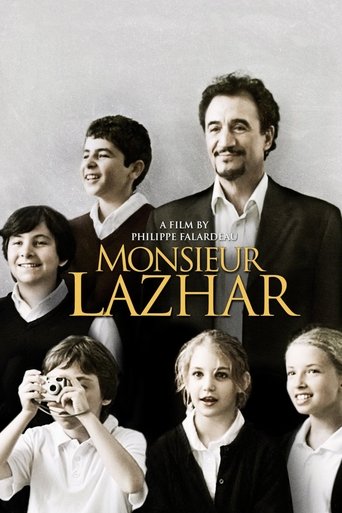
Monsieur Lazhar
During a harsh Montréal winter, an elementary-school class is left reeling after its teacher commits suicide. Bachir Lazhar, a charismatic Algerian immigrant, steps in as the substitute teacher for the classroom of traumatized children. All the while, he must keep his personal life tucked away: the fact that he is seeking political refuge in Québec – and that he, like the children, has suffered an appalling loss.
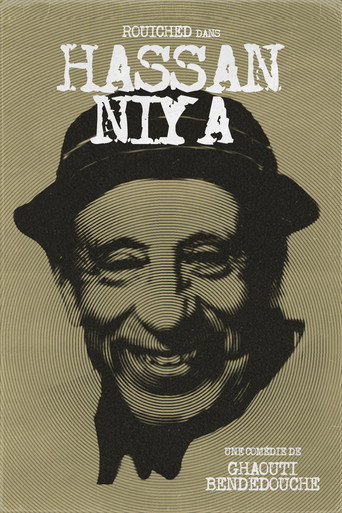
Hassan Niya
The story of Hassan, the handyman in the inn of his sister Aïcha, widowed and childless. A whole series of incidents, misunderstandings, will punctuate his daily routine in which we find him in turn driver, waiter, welder, etc. But, he refuses to submit to anything that does not conform to the idea he has of society and things...
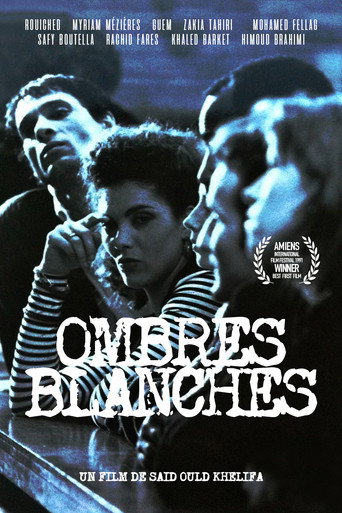
Sons of the Earth
A drama set a little before the 1920s, in which scattered news, stories and rumors spread the presence of a new wealth, oil, leading to the suspicion that a great change was about to take place.
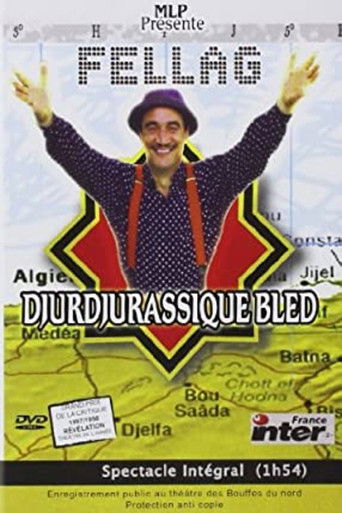
Fellag - Djurdjurassique bled
Gallery