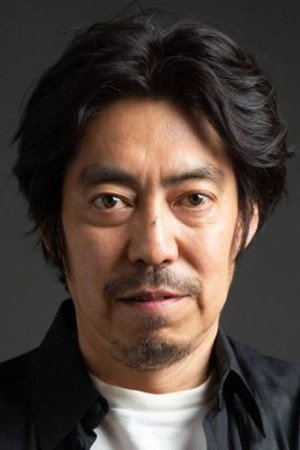
Miyatani Movies, TV Shows, and Filmography
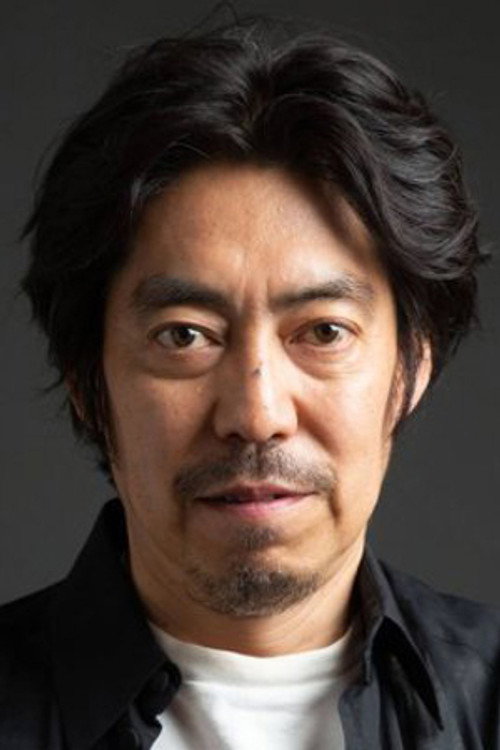
Miyatani
Acting
Biography
Miyatani (born May 14, 1965) is a Japanese actor, film director, and artist. His real name is Takashi Miyatani, and he has also worked under the name Miyatani Takashi. In addition to his work in the arts, he is a licensed attorney in Japan. Miyatani was born in Tokyo and raised in Chiba Prefecture. He graduated from Chiba Prefectural Chiba High School and later entered the University of Tokyo, where he studied law and was a member of the university’s varsity tennis team. While enrolled in the Faculty of Law, he passed the Japanese Bar Examination. He was registered as an attorney in 1991 and joined Mori Sogo Law Office, becoming a partner in 1998. Following a firm merger in 2002, he became a partner at Mori Hamada & Matsumoto. In 2009, he was ranked seventh in Nikkei Business’s Popular Lawyer Ranking. Beginning in 2012, Miyatani started artistic activities including painting, sculpture, ceramics, and video scenario writing, referring to himself as an artist. In 2018, he joined a comedy theater troupe as an apprentice and made his stage debut in September of the same year at The Shimokitazawa Geki Theater. He appeared in Rikiya Imaizumi’s film His (2019), after which he began acting more actively. In 2023, his short film Revenge Take 2, which he wrote and directed, was released and received recognition at domestic and international film festivals. He continues to work as an actor, director, and producer.
Filmography Movies
Acting
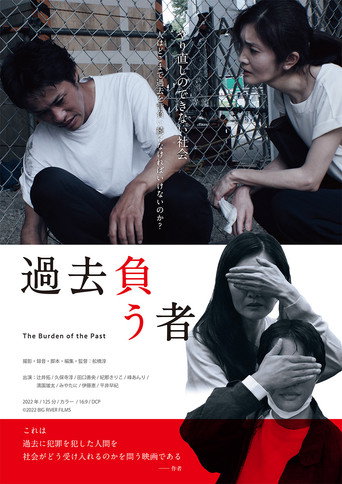
The Burden of the Past
Japan has a recidivism rate of 50%. The staff at a magazine called CHANGE want to lower that by rehabilitating former prisoners. This forms the basis of FUNAHASHI Atsushi’s ensemble docudrama, which tells the story from both the perspectives of the editorial team and ex-cons.
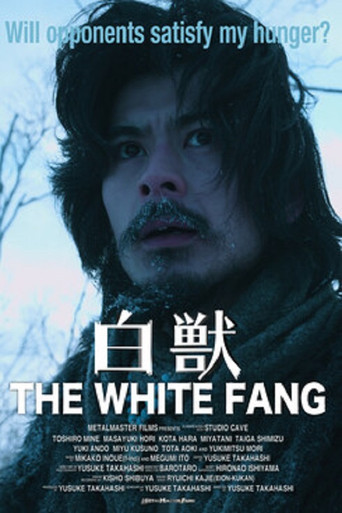
The White Fang
There are two villages on the land. They are called Farri and Nestarico, both surrounded by mountains. As the villagers of Farri have lost their houses and food, they've left the village to seek a new place.
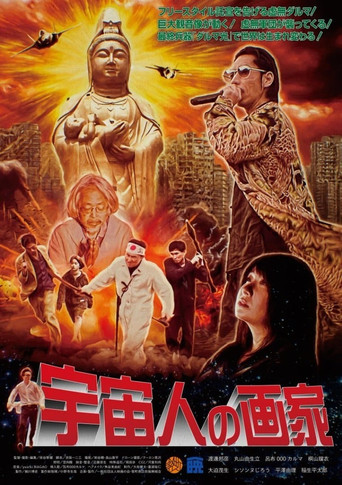
Alien Artist
K City, a coastal Japanese city, is under the influence of Void Dharma, a freestyle rapper who ignores the Japanese constitution and preaches for region rejuvenation and independent state. A spy, Watanabe, is sent to K-city on a mission to assassinate Void Dharma.
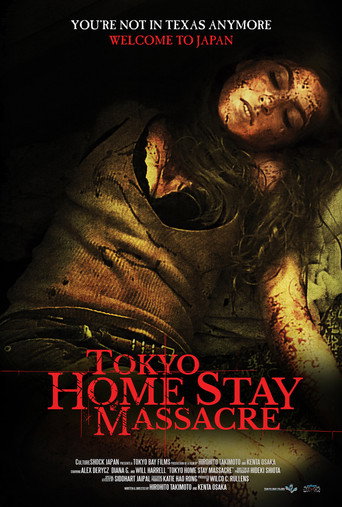
Tokyo Home Stay Massacre
Three American late teens travel to Japan to escape a sad past and have some fun but end up trapped in a house with a demented Japanese host family who plans to offer them to their gods in a sick ancient Japanese ritual.
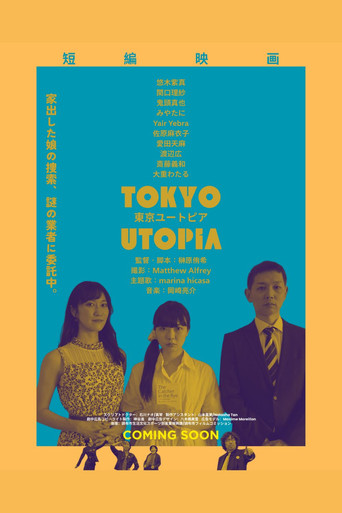
TOKYO UTOPIA
As control, obsession, and fear spiral out of hand, Tokyo Utopia exposes the dark contradictions behind parental ambition and questions what “success” truly means in a society obsessed with performance. A mid-length comedy film by Yuki Sakakibara, released on YouTube in 2025.
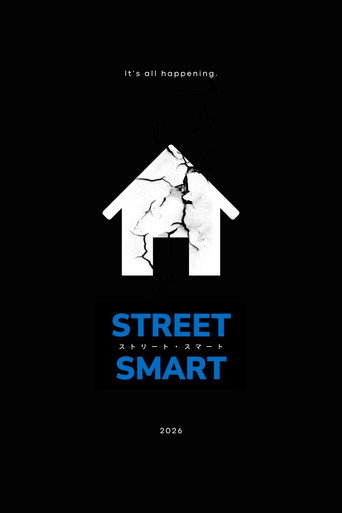
STREET SMART
A feature-length drama film that explores family issues in contemporary society. COMING IN 2026. This is the first feature-length film directed by Yuki Sakakibara (榊原侑希).
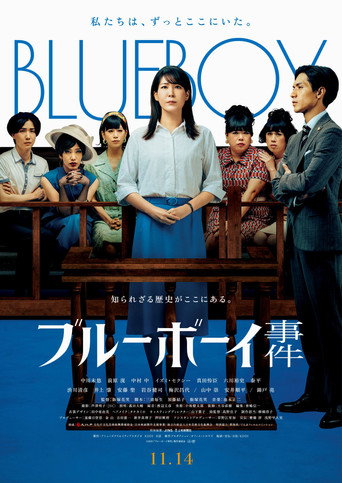
Blue Boy Trial
1960s Japan—economic boom, Olympic pride, and a crackdown on “public morals.” An anti-prostitution law targets women but spares male sex workers, the so-called “blue boys.” When police arrest the doctor performing their sex reassignment surgeries, the sensational “Blue Boy Trial” begins. Three transgender women take the stand, igniting a national debate on identity, medicine, and happiness—long before the language of LGBT existed. Though the court ruled surgery legal, the verdict cast a shadow: no such operations would occur in Japan for 29 years. Half a century later, this buried history still reverberates in the lives of sexual minorities.
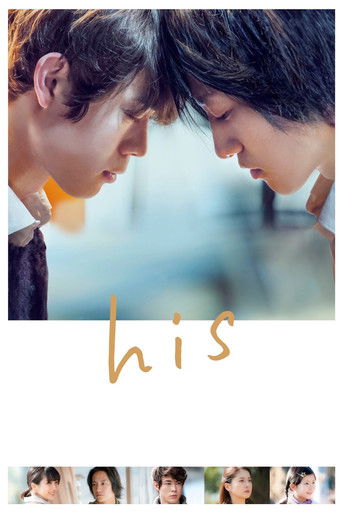
His
Shun and Nagisa first meet and fall in love during their first year of high school. While Shun is graduating from university, Nagisa tells him that he doesn't see a future for them. Despite Shun's strong feelings, they go their separate ways. Years later, Shun is now a store owner, living alone in a rural area. Out of the blue, Nagisa arrives with his six-year-old daughter, Sora. Spending time together, Shun realizes he still harbors feelings for Nagisa. Can Nagisa reconcile with his feelings for Shun, which have been there all along?

Resident of Alice
Tsugumi was sexually abused by her father as a child and is gripped by regret and trauma for not telling her mother. One day, she meets Kenji in whom she confides and begins to see a future for herself, but....
Production
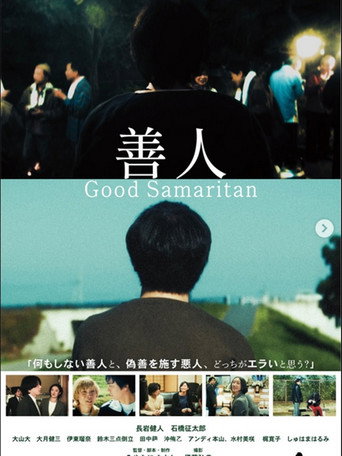
Blue Boy Trial
1960s Japan—economic boom, Olympic pride, and a crackdown on “public morals.” An anti-prostitution law targets women but spares male sex workers, the so-called “blue boys.” When police arrest the doctor performing their sex reassignment surgeries, the sensational “Blue Boy Trial” begins. Three transgender women take the stand, igniting a national debate on identity, medicine, and happiness—long before the language of LGBT existed. Though the court ruled surgery legal, the verdict cast a shadow: no such operations would occur in Japan for 29 years. Half a century later, this buried history still reverberates in the lives of sexual minorities.
Gallery