Directing
Mitsuo Wakasugi was born in 1922 in Ooita, Kyushu, Japan. He is a director and writer, known for Rashomon (1950), Kimi ni sasageshi inochi nariseba (1953) and Ai: L'amour (1954).
In this documentary, script supervisor Teruyo Nogami, who first worked with Akira Kurosawa on RASHOMON, catches up with many members of the crew, including cowriter Shinobu Hashimoto and assistant director Tokuzo Tanaka. They talk about the screenplay’s evolution, difficulties during the shooting of the film, and Kurosawa’s working methods.
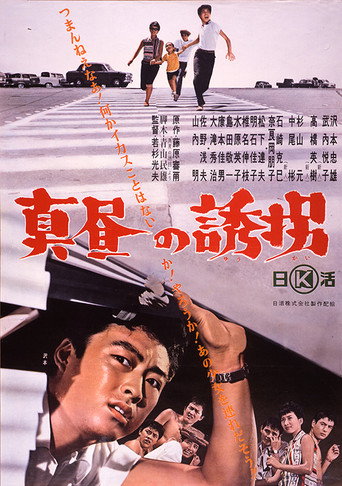
A suspense drama directed by Mitsuo Wakasugi. Students, gangsters and other young people who couldn't make money were gathering and negotiating at a coffee shop about this. They were told that if you kidnap a child from a rich family, search for him/her, their family would give you about 50,000 yen if you could send the child back.A woman named Motoko disappeared in the midst of evil, but no one noticed it. Shortly after, Kaneda and Chii appeared in a quiet residential area and took a girl about five years old from the Ohara family....
Two young Japanese schoolboys, one skinny and poor, one fat and well-to-do, become unlikely friends.
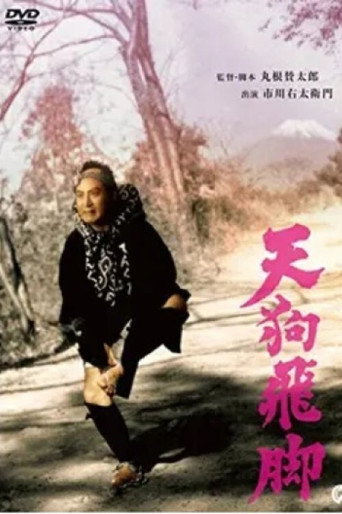
Jida-geki by Santaro Marune.
This film depicts the pure love between a girl raised by a strict father and a young man working in a small factory to support his family. The friendship that had blossomed between them eventually grew into love. Yet the purer it was, the more it seemed destined for a tragic conclusion...
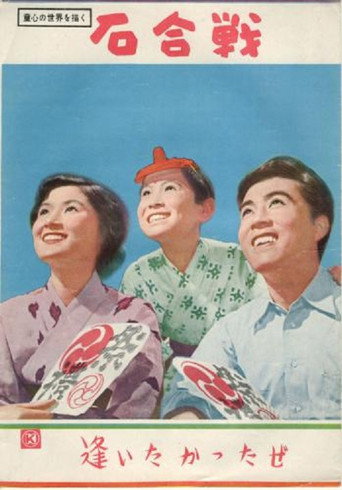
Across the Inagawa River that runs through the center of the village, the children of the two villages scrambled for a swimming pool, and each time a stone battle took place. Takemaru, the only son of the priesthood of Tada Shrine, was weak and was always forced to carry stones. However, neither swimming nor stone-throwing was a secret to his sick mother, Kouko... Seishi Matsumaru, Ryuichi Yoshida, and Ado Matsuyama were adapted from "Tenmangu" and "Ishigassen", directed by Mitsuo Wakasugi of "Waran Hayashi", and photographed by Hanjiro Nakazawa of "The Last Women".
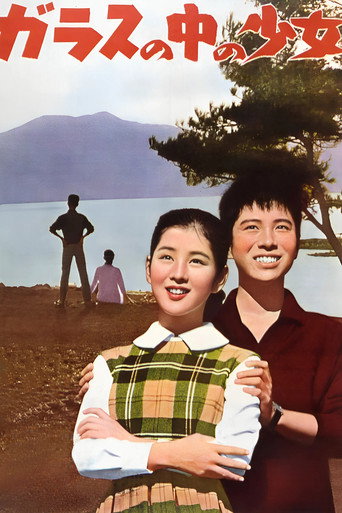
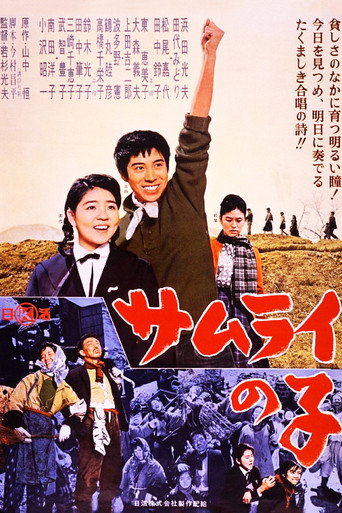
Tajima Yumi, in grade school, is overjoyed when her father says they are moving to an apartment in a big city. But the beautiful home she had imagined is in a slum area called Samurai Village, a little settlement, where people live from hand to mouth. To make things worse, a group of vagrants descends on the already crowded ragpickers' village. The sight depresses and saddens little Yumi, but when her father gives up drinking, it makes up for everything in her eyes, and when he runs past liquor shops to avoid temptation, Yumi's laughter rings out merrily again. A unique social drama depicting the growth of a new generation that confronts the world of adults full of vanity in the image of a girl living in poverty.
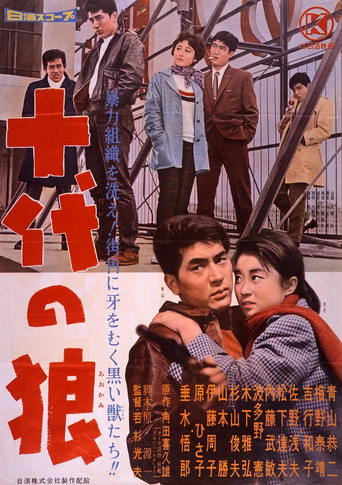
In the bustle of the city, on the corners of neon streets, the eyes of a wild beast are fixed on a young girl! A gloomy portrait of youth, in which distorted energy explodes! A unique social drama that acutely depicts the psychological conflict bubbling in the chest of detectives who are chasing a gang of scoundrels who prey on innocent girls. Adapted from the novel "Kegareta Hankachi".
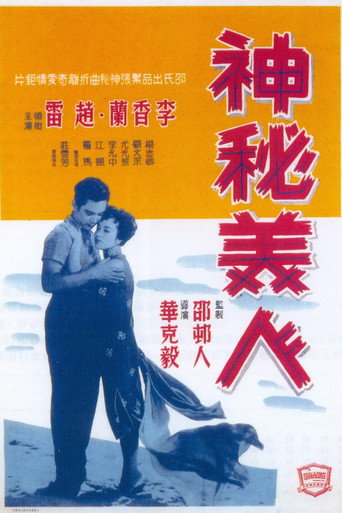
Spies, Military Documents and Traitors.
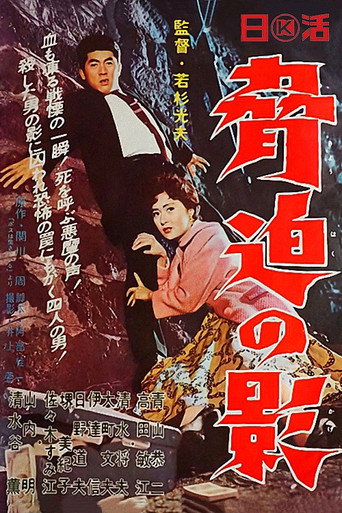
Four henchmen kill Ryu, the head of a group of dollar buyers, on a dark construction site. They divide 1.2 million yen from Ryu's bag into 4 parts and disperse. However, one by one, the henchmen die. The last survivor, Sima Kyuhei, gets a call and is informed that Ryu is alive. He is told that if he does not return the money, he will be killed, and he goes to the meeting place...
Four people recount different versions of the story of a man's murder and the rape of his wife.